D. Mercer

D. Mercer is an independent indoor air quality consultant and writer with over 17 years of professional experience evaluating air purification systems for residential, educational, and healthcare environments across the United States. D. Mercer began his career conducting indoor air quality assessments for commercial buildings, where he developed deep expertise in particulate matter reduction, VOC source identification, HVAC filtration upgrades, and portable air cleaner selection. Over the course of his career he has evaluated hundreds of air purification systems using standardized CADR methodology, real-world particle counter measurements, and long-term performance monitoring - work that forms the evidence base for the testing-driven content published on AirPureLife.

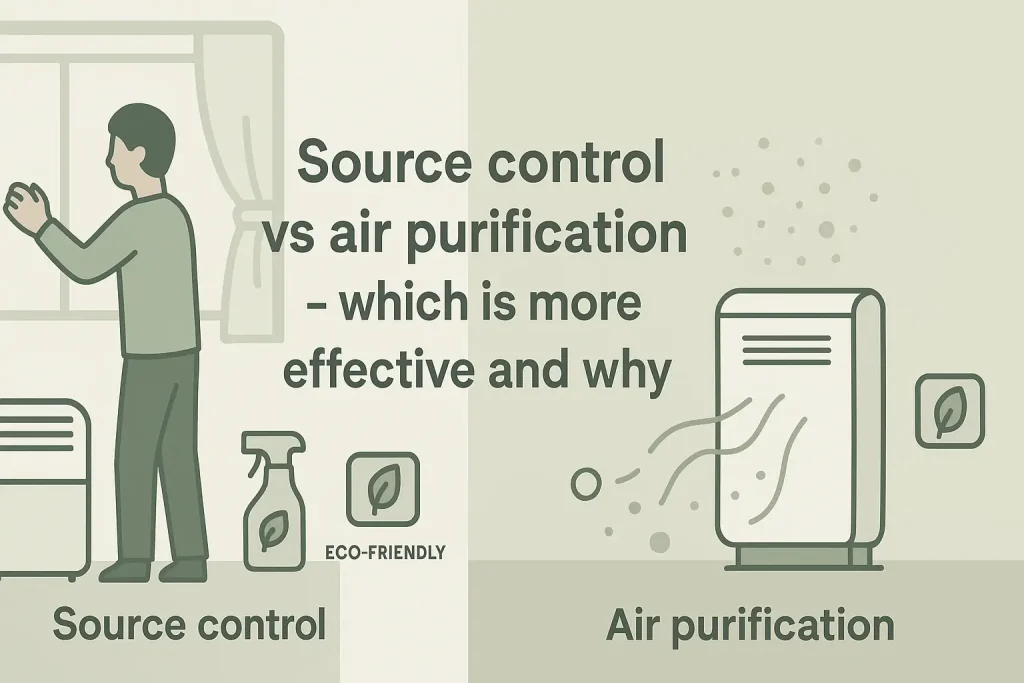
Source control vs air purification - which is more effective and why

Source Control vs Air Purification – More Effective and Why

Preventing indoor pollution at the origin removes up to 90 percent of contaminant loads permanently, while running a portable air cleaner only recirculates existing particles until the filter saturates. Source control eliminates pollutants before they enter your breathing zone. True HEPA air purifiers capture what escapes your control measures, making them a mandatory secondary defense. […]

Source Control vs Air Purification – More Effective and Why Read More »
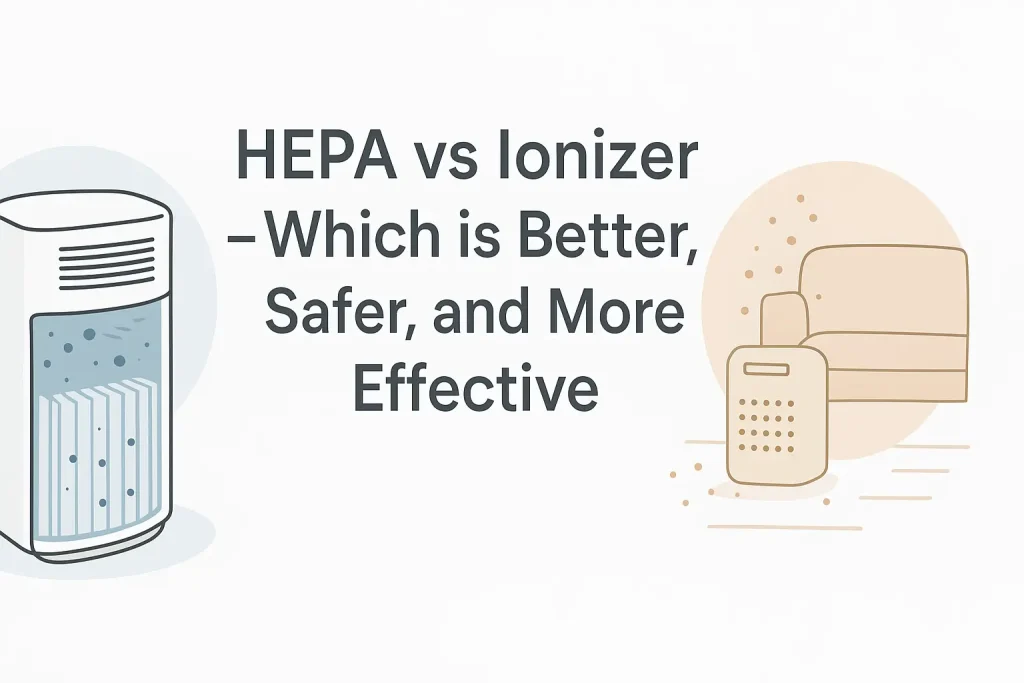
HEPA vs ionizer - which is better, safer, and more effective

HEPA vs Ionizer: Which Is Better, Safer & More Effective

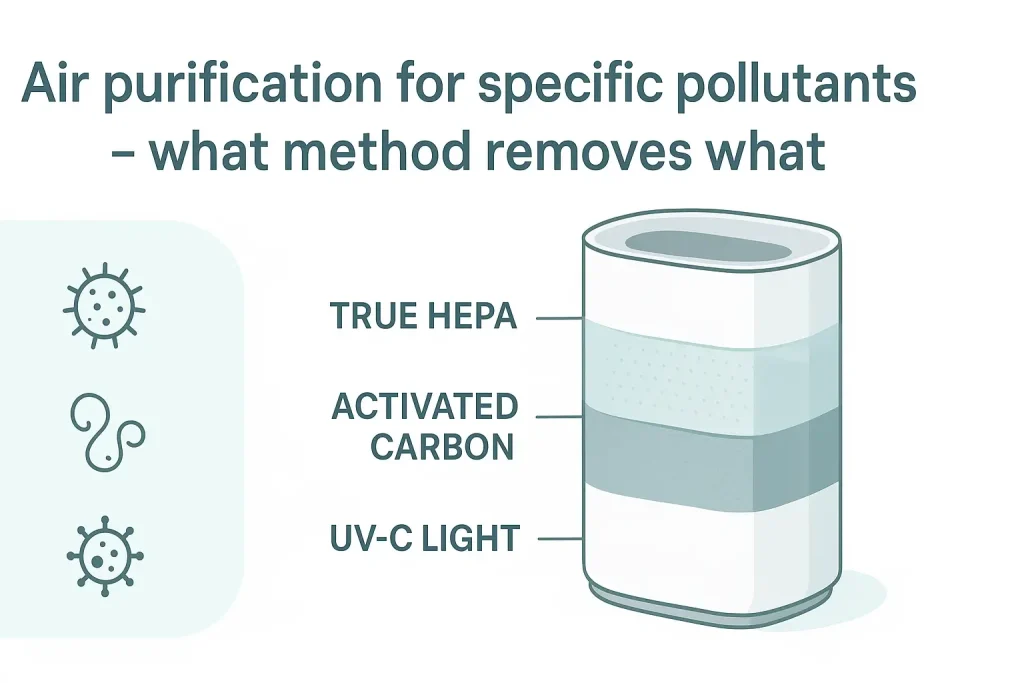
True HEPA filters consistently outperform ionizers for residential air purification because they mechanically trap 99.97 percent of 0.3-micron particles inside a sealed housing. Ionic air cleaners rely on electrostatic precipitation to charge airborne allergens and push them toward nearby surfaces. This charging process frequently generates ozone concentrations near the 0.050 ppm regulatory limit. The California

HEPA vs Ionizer: Which Is Better, Safer & More Effective Read More »

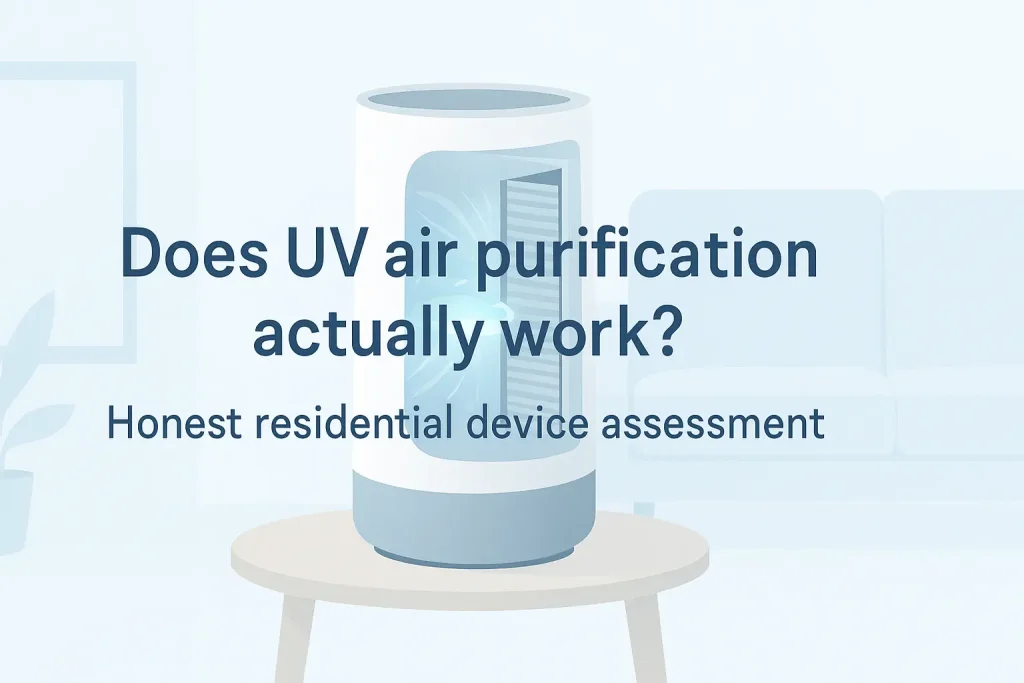
Does UV air purification actually work? Honest residential device assessment

Does UV Air Purification Actually Work? Honest Assessment

UV-C air purifiers emit ultraviolet light at 253.7 nanometers to disrupt microbial DNA. Fast portable units typically provide less than 0.5 seconds of exposure time, which falls far short of the 1 to 2 seconds required for meaningful pathogen inactivation. The California Air Resources Board legally caps consumer ozone emissions at 0.050 parts per million.

Does UV Air Purification Actually Work? Honest Assessment Read More »

Ventilation as air purification - how dilution works and ASHRAE guidance

Ventilation as Air Purification – Dilution & ASHRAE Guidance

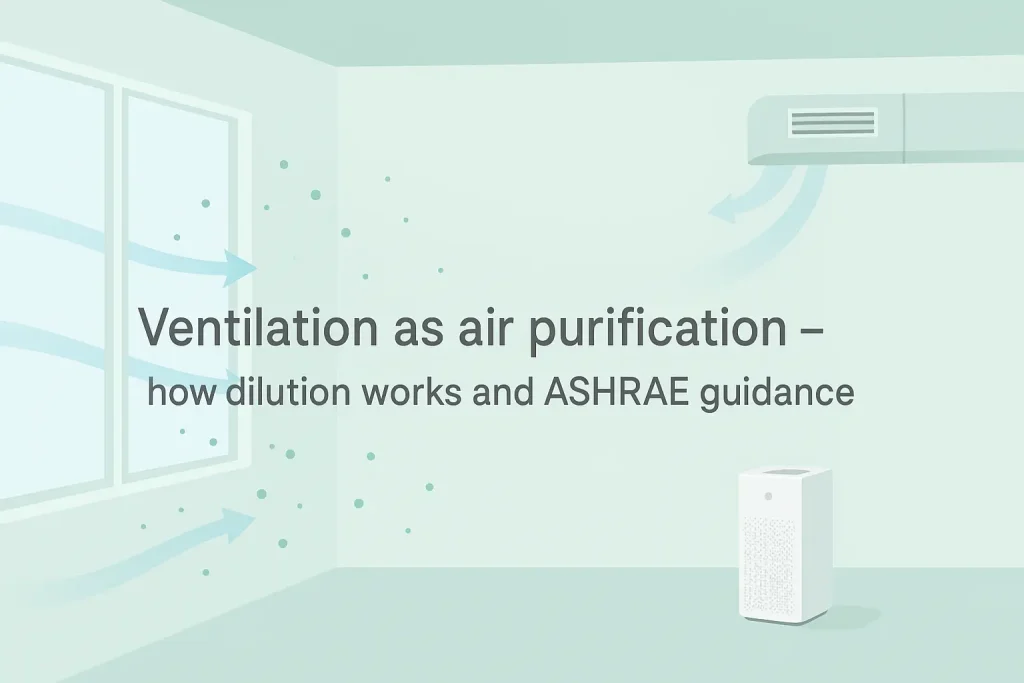
Mechanical ventilation lowers indoor pollutant concentrations by continuously replacing stale indoor air with fresh outdoor air, but it does not actively capture particles. This dilution process follows an exponential decay curve where a rate of 5 air changes per hour removes 99.3 percent of airborne contaminants within sixty minutes. Facility managers use the ASHRAE 241-2023

Ventilation as Air Purification – Dilution & ASHRAE Guidance Read More »

Is PCO air purification effective? What the research actually says

PCO Air Purification Effective? What Research Actually Says

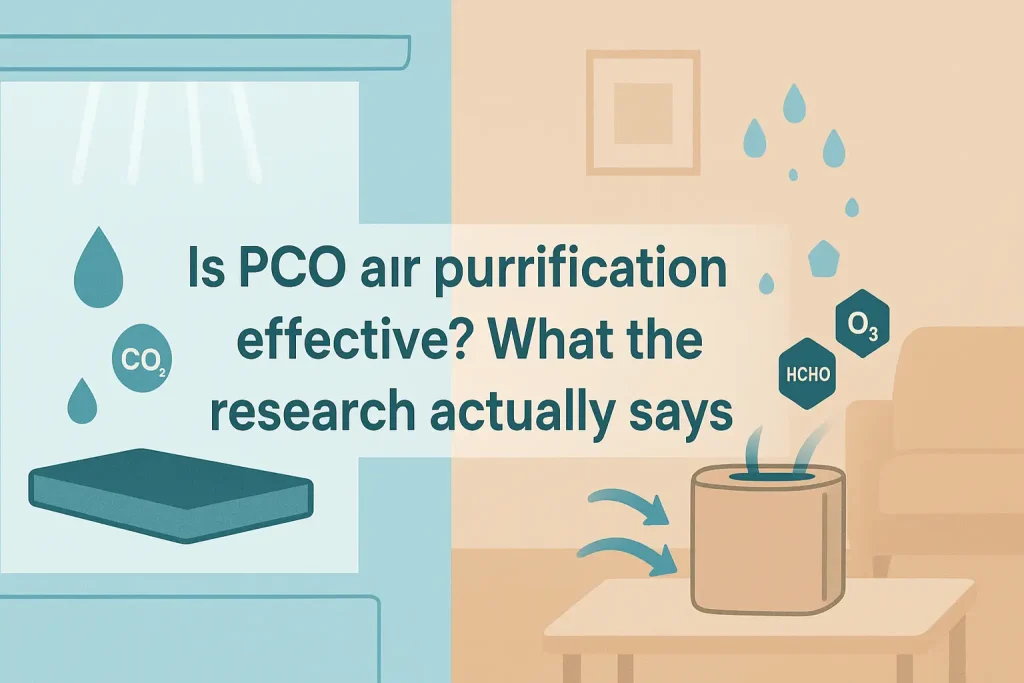
Photocatalytic oxidation uses ultraviolet light and titanium dioxide catalysts to break down airborne chemicals into water and carbon dioxide. Independent laboratory tests show the technology struggles in real homes because residential airflow speeds cut the necessary reaction time drastically short. Most consumer PCO units release partially oxidized byproducts like formaldehyde instead of fully destroying pollutants.

PCO Air Purification Effective? What Research Actually Says Read More »

Does ionizer air purification actually work? Evidence and safety review

Does Ionizer Air Purification Work? Evidence & Safety Review

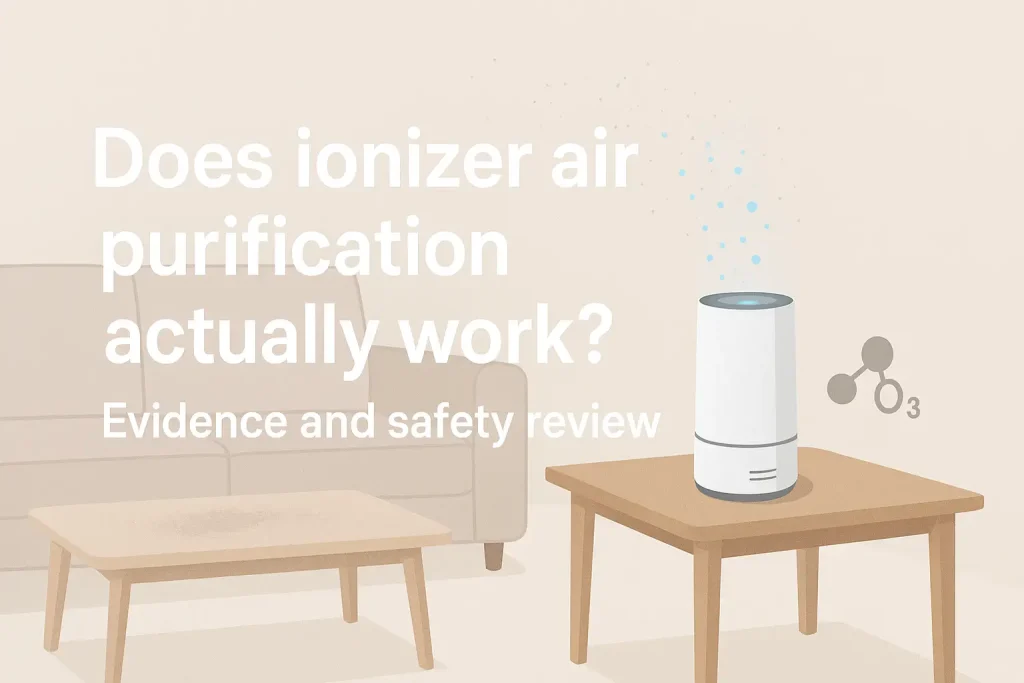
Ionic air purifiers emit negatively charged ions to force airborne particles onto room surfaces rather than capturing them inside a physical filter. This process reduces airborne dust by approximately thirty to sixty percent in controlled lab tests but leaves the actual pollutants sitting on your furniture and walls. The real risk comes from ozone, a

Does Ionizer Air Purification Work? Evidence & Safety Review Read More »