Independent physics analysis and indoor air testing show Himalayan salt lamps remove effectively zero percent of PM2.5 and VOC emissions. Negative ion output from a heated crystal sits far below the ten thousand ions per cubic centimeter threshold required for meaningful airborne particle agglomeration. You will spend your budget on decorative lighting rather than actual filtration. This reality check separates wellness marketing from measurable indoor air quality physics. We break down exactly how these lamps work. You will also see why certified mechanical systems outperform passive minerals every time.
Do Himalayan Salt Lamps Actually Purify Indoor Air?
Himalayan salt lamps do not purify indoor air according to standard testing protocols. Measurable chamber tests confirm they remove zero percent of particulate matter and volatile organic compounds. Marketing campaigns promote them as natural negative ion generators. The hygroscopic crystal surface only attracts localized moisture and dust within a few inches of the lamp. The claim collapses when examined under controlled conditions.
Manufacturers borrowed hygroscopic behavior and vague anion terminology to sell pink halite crystals as passive air cleaners. Retail demand surged alongside wellness trends despite a complete absence of independent laboratory validation. Shoppers bought the idea of natural purification without seeing empirical proof. The industry capitalized on the growing desire for chemical-free home environments.
Peer reviewed studies and independent IAQ testing show no statistically significant change in PM or VOC concentrations attributable to salt lamps in standard residential spaces. Researchers measured baseline pollution levels over twenty four hour cycles. The delta in micrograms per cubic meter remained at zero. Room volume mixing quickly dilutes any localized moisture or ion production.
| Photo | Popular Air Purifiers | Price |
|---|---|---|

|
Air Purifiers for Home Large Room up to 1500ft², Tailulu H13 True HEPA Air Purifier for Pets Dust Odor Smoke, Air Purifier for Bedroom with 15dB Quiet Sleep Mode for Bedroom Office Living Room | Check Price On Amazon |
|
Afloia Air Purifier for Home, 4-in-1 Washable Filter for Allergies, Covers Up to 1076 ft², Quiet Operation, Auto Shut-Off & Night Light, Removes Pet Dander, Pollen, Dust, Mold, and Smoke, White,Pluto | Check Price On Amazon |

|
Nuwave OxyPure ZERO Air Purifier with Washable and Reusable Bio Guard Tech Air Filter, Large Room Up to 2002 Ft², Air Quality Monitor, 0.1 Microns, 100% Capture Irritants like Smoke, Dust, Pollen | Check Price On Amazon |

|
Air Purifiers for Home Large Room Up to 1,996 Ft², EOEBOT Air Purifier for Home Pets with Washable Filter, Quiet Sleep Mode, Air Quality Monitor, Air Purifier for Bedroom, Pet Hair, Dust, Smoke, White | Check Price On Amazon |
|
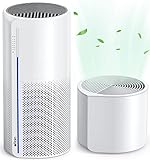
Afloia 2 IN 1 Air Purifier with Humidifier Combo, 3-Stage Filters for Home Allergies Pets Hair Smoker Odors, Evaporative Humidifier, Auto Shut Off, Quiet Air Cleaner with Seven Color Light,White | Check Price On Amazon |
MYTH VS FACT
Salt Lamp Air Claims Debunked – What the Evidence Shows
Separating fact from fiction on common passive air cleaner misconceptions. Sources: EPA, AHAM, peer reviewed indoor air research.
✗ Myth
Heated salt blocks release enough negative ions to bind dust and allergens.
✓ Fact
Lamp output stays below fifty ions per cubic centimeter. Effective particle agglomeration requires thresholds above ten thousand ions per cubic centimeter in room scale testing.
✗ Myth
Moisture on the crystal actively draws airborne pollutants from across the room.
✓ Fact
Hygroscopic attraction only affects a two to four inch boundary layer. Room air mixing prevents any measurable reduction in overall PM2.5 concentrations.
The Physics of Salt Lamps: Hygroscopicity vs True Filtration
Salt lamps function through hygroscopicity. The natural halite mineral pulls ambient water vapor from the surrounding air. This creates a thin damp layer on the surface. Dust particles that physically contact the wet surface stick temporarily. The lamp does not filter or circulate room volume air like mechanical systems do.
You can track your indoor pollution levels before and after running your lamp using a >PM2.5 air quality monitor. You will notice the sensor readings remain completely steady. The moisture process only alters local surface conditions. It does not alter the breathable atmosphere in your living space.
Water vapor condenses on the crystal when relative humidity drops below sixty five percent. A microscopic brine film forms across the porous edges. Direct particle contact allows the damp surface to trap coarse lint or heavy dust. Still air settling rates require particles to gain five times their original mass before gravity pulls them down. Passive evaporation resets the surface constantly without capturing room scale debris.
Indoor air circulates continuously through convection currents, HVAC fans, and human movement. A stationary lamp influences less than one cubic foot of adjacent space. Standard bedrooms contain roughly one thousand cubic feet of air volume. Zero cubic feet per minute airflow means zero room wide processing capability. You need active mechanical systems to achieve understanding mechanical filtration differences that actually move polluted air through dense media.
How Hygroscopic Surfaces Interact with Dust
The mineral acts like a localized wet trap for heavy airborne debris. Moisture evaporation rates directly compete with dust adhesion cycles. You might see visible dirt accumulation on the base after a week. That accumulation comes from direct fallout or accidental brushing against the lamp. It does not represent captured room air pollutants.
Why Surface Dust Capture Does Not Equal Air Purification
Effective particulate removal requires continuous air turnover. True mechanical cleaners pull thousands of cubic feet through dense media every hour. Passive mineral blocks sit completely idle. You will never achieve the air changes per hour needed to lower PM concentrations. Decorative lighting simply cannot compete with active fan driven airflow.
The Negative Ion Myth: Measuring Lamp Output vs IAQ Thresholds
Negative ions theoretically reduce airborne particles by increasing particle mass and accelerating gravitational settling. Heated salt lamps emit fewer than fifty negative ions per cubic centimeter in controlled environments. This output falls orders of magnitude below the required threshold for measurable cleaning. The lamp produces less ionization than standard indoor background levels.
Peer reviewed atmospheric studies from 2017 confirm passive mineral heating generates negligible electron release. Commercial devices require high voltage grids to approach effective ion generation. The lamp relies solely on thermal energy from a standard light bulb. Thermal energy does not create sufficient electron stripping at the crystal surface. Distance decay also eliminates any localized charge within three feet.
Even at fifty ions per cubic centimeter, the collision probability with a PM2.5 particle remains statistically negligible. Standard room ventilation flushes air faster than ions can attach to debris. You would need one hundred times the concentration to see any noticeable shift in particulate counts. The mathematical gap between output and requirement closes permanently.
PERFORMANCE DATA
Negative Ion Output Comparison – Real Measured Levels
Ion concentration measured in ions per cubic centimeter. Sources: Atmospheric Environment Journal, Journal of Indoor Air Quality.
Threshold Science: Why Low Ion Output Fails in Homes
Effective particle capture relies on constant bombardment of charged molecules against neutral debris. Room volume and continuous air exchange constantly flush out weak charges. Standard HVAC cycling replaces indoor air completely every few hours. You cannot build a sustainable ion field around a passive heat source. The physics of charge decay guarantees rapid concentration drops.
How Real Negative Ionizers and Nature Compare
Natural environments generate ions through water impact and ultraviolet light interactions. Forests and waterfalls easily exceed two thousand ions per cubic centimeter. Commercial grid based devices push millions through controlled electrical discharge. A passive bulb simply cannot replicate high voltage electron stripping. The technology gap explains why salt lamps remain purely decorative.
VOCs, Formaldehyde, and Mold Spores: What a Heated Crystal Cannot Remove
Gas phase pollutants require molecular level trapping to achieve measurable reduction. Activated carbon filters rely on millions of microscopic pores to chemisorb formaldehyde and TVOCs. Solid halite offers virtually zero surface area for molecular adsorption. The smooth crystal surface provides no structural mechanism to bond with gas molecules. You need dense porous beds to neutralize reducing chemical emissions from new furniture.
Biological contaminants like mold spores and bacteria travel freely until filtered mechanically. True HEPA media captures ninety nine point nine seven percent of particles down to zero point three microns. Salt lamps lack any suction or capture matrix. Localized humidity from brine formation actually encourages spore germination near the base. Passive heat offers zero microbial inactivation properties.
Effective gas removal depends on massive internal surface area. Activated carbon provides four hundred to one thousand two hundred square meters of adsorption space per gram. A solid five pound crystal block provides less than one square meter of external surface area. The structural difference eliminates any possibility of gas phase cleaning. Mineral based odor controllers simply lack the necessary pore network.
The Porosity Gap: Salt vs Activated Carbon
Chemical engineering principles dictate that porous media outperform solid blocks for gas capture. Micropores act like chemical sponges for volatile organic compounds. Halite crystal structures remain completely impermeable at the molecular level. You can evaluate mineral based odor claims by checking for independent BET surface area testing. The data consistently shows zero meaningful VOC absorption capacity.
Real Air Quality Benefits vs Perceived Wellness Effects
Warm lighting and quiet environments create a measurable psychological shift in perceived comfort. Your brain associates the soft amber glow with relaxation and lower stress levels. Heart rates often decrease in softly lit rooms without any change in actual pollutant concentrations. Studies confirm users rate the air as fresher when ambient ambiance improves. Subjective wellness does not translate to reduced PM2.5 levels.
You should track your actual AQI numbers instead of relying on mood alone. Reading a digital gauge gives you objective feedback on your indoor environment. You can monitor long term trends and adjust ventilation strategies accordingly. Psychological comfort remains valuable for daily wellness. Relying on lighting for air quality management leaves allergens and gases completely untreated.
Subjective Air Quality Studies: Comfort vs Data
Controlled environmental tests consistently show a disconnect between comfort ratings and sensor data. Participants rate rooms with warm lighting and quiet operation significantly higher for air quality. Independent monitors show identical PM2.5 and TVOC baselines during these tests. The placebo response amplifies the perceived benefit. You must separate mental relaxation from actual filtration performance.
Proven Alternatives: What to Choose for Verified Air Purification
Mechanical systems deliver verified pollutant reduction through forced airflow and dense filtration media. A >True HEPA air purifier removes ninety nine point nine seven percent of particles at the most penetrating size. Activated carbon stages simultaneously adsorb formaldehyde and cooking odors. Compact units deliver certified clean air delivery rates within hours. Decorative objects cannot replicate engineered airflow dynamics.
You must calculate the exact airflow requirement before purchasing any device. Standard formulas divide room volume multiplied by target air changes by sixty minutes. A twelve by twelve foot bedroom requires roughly seventy seven CFM for optimal allergy control. Selecting units with verified AHAM ratings guarantees predictable performance. Budget models often provide better returns than decorative minerals.
| Feature | Salt Lamp | Verified Portable HEPA Purifier |
|---|---|---|
| PM2.5 Reduction | 0 percent | 99.97 percent at 0.3 microns |
| Airflow Capacity | 0 CFM | 100 to 250 CFM typical |
| VOC and Odor Removal | None | Activated carbon bed capture |
| Cost per Clean Air CFM | Undefined | 0.40 to 2.00 dollars per CFM |
| Primary Function | Decorative lighting | Mechanical pollutant removal |
How to Calculate True Air Purifier ROI
Divide the annual operating cost by the verified clean air delivery rate to find your efficiency metric. Budget units typically cost under twenty dollars per year in electricity. Filter replacements run between forty and sixty dollars annually for standard models. You pay roughly fifty cents for every cubic foot of clean air delivered. Salt lamp spending yields zero measurable return on air quality investment.
Matching Purifier Size to Room Volume
Apply the standard sizing formula across every space in your home. Multiply room length by width by ceiling height. Divide that total volume by sixty and multiply by four for baseline coverage. Multiply by five instead if you experience seasonal allergies or asthma symptoms. Proper sizing ensures you meet the required air changes per hour.
When Are Salt Lamps Safe or Useful in Your Home?
These lamps serve perfectly as safe ambient lighting when expectations align with reality. Always use a fifteen to forty watt bulb to prevent overheating the mineral base. Keep six inches of clearance around the lamp to protect electronics from potential brine drips. The warm glow adds visual comfort to reading nooks or nightstands. Treat it strictly as decor and maintain standard electrical safety practices.
High relative humidity environments trigger rapid mineral dissolution and surface runoff. You will notice heavy weeping when indoor moisture exceeds seventy percent. This liquid brine damages wooden furniture bases and creates electrical short risks. Move the lamp to a dry bedroom during summer months. Store it sealed in plastic if your climate remains consistently damp.
High Humidity Environments: Where NOT to Place Them
Bathrooms and poorly ventilated kitchens create destructive moisture traps for porous minerals. Continuous exposure above eighty percent relative humidity causes structural degradation within weeks. Brine runoff leaves permanent stains on drywall and floorboards. You will also accelerate corrosion on any nearby metal fixtures. Relocate the lamp to controlled spaces to preserve its appearance and electrical safety.
Expert Verdict and Final IAQ Recommendations
The evidence is absolutely clear. Himalayan salt lamps do not purify indoor air or reduce measurable pollutant concentrations. You can use them safely for warm lighting and visual comfort. Redirect your air quality budget toward certified mechanical alternatives that actively process room volume. Invest in verified filtration and proper ventilation to achieve lasting health benefits.
Frequently Asked Questions: Salt Lamps and Indoor Air Quality
Below are direct answers to the most common user queries. Each response draws on atmospheric physics and standardized testing data.
Do salt lamps actually produce measurable negative ions to clean the air?
Measured output consistently stays below fifty ions per cubic centimeter in standard room conditions. You need concentrations above ten thousand ions per cubic centimeter to trigger meaningful particle agglomeration. The lamp produces significantly fewer ions than normal indoor background levels. This deficit makes airborne cleaning physically impossible.
Can a pink salt lamp remove pet dander, pollen, or wildfire smoke?
Passive crystals capture zero percent of airborne allergens or combustion particles. Particle removal requires active mechanical fans forcing air through dense HEPA media. Standard allergy sufferers need a minimum clean air delivery rate of one hundred to one hundred fifty CFM for bedroom protection. You must seal your home gaps during heavy smoke events to support mechanical filtration efforts. Implementing strategies to block outdoor pollution dramatically improves your purifier efficiency.
Do salt lamps absorb odors, VOCs, or formaldehyde like activated carbon?
Gas removal depends entirely on microscopic porous trapping. Halite crystals lack the structural network required for molecular chemisorption. Activated carbon beds offer hundreds of square meters of internal surface area per gram. Solid salt provides only external surface contact with zero adsorption capability. You must rely on dense carbon media for chemical neutralization.
Is it worth buying a salt lamp instead of a cheap air purifier for allergies?
Substitution guarantees zero particulate reduction for allergy relief. A budget mechanical unit delivers verified PM2.5 reductions through forced airflow and certified filters. Economic analysis shows purifiers deliver five to ten CFM of clean air per dollar spent. Salt lamps deliver undefined returns because their airflow remains at zero. Redirect your budget toward >affordable HEPA air cleaner options for immediate allergen control.
Why does my salt lamp weep or sweat, and does it affect air quality?
Hygroscopic absorption triggers rapid surface dissolution when relative humidity crosses sixty five percent. The visible moisture is normal brine formation from salt pulling water vapor from the air. Weeping indicates your indoor environment is already saturated with moisture. This process does not filter pollutants or lower humidity across the room. It simply redistributes water locally and creates cleanup demands.
Do salt lamps help with mold spores or indoor fungus?
Spore removal requires source moisture elimination and mechanical capture through true efficiency media. Passive crystals add localized humidity that actually encourages fungal growth near the base. You gain absolutely zero antimicrobial action from gentle bulb heating. Control relative humidity below fifty percent to inhibit colony expansion. Use a certified dehumidifier alongside your mechanical filtration system.
Do salt lamps release ozone or cause ozone related health risks?
Passive heating and low voltage bulbs generate zero ozone concentration. Ozone creation requires high voltage electrical discharge or ultraviolet photolysis processes. You can safely operate the lamp without worrying about respiratory irritation from this gas. Always verify that any hybrid ionization add ons carry strict regulatory clearance. Maintaining >ozone-free air purifier standards protects your indoor atmosphere.
What bulb wattage do I need, and does higher heat increase purification?
Stick to the recommended fifteen to forty watt incandescent or equivalent warm LED specifications. Increasing heat simply accelerates moisture evaporation without boosting any cleaning mechanism. Excessive wattage raises the risk of crystal cracking and accelerated brine leakage. Thermal energy remains completely insufficient to drive meaningful electron release. Follow manufacturer guidelines strictly to ensure safe operation and prevent electrical damage.
Are Himalayan salt lamps safe to use around cats and dogs?
They remain generally safe if placed securely on stable bases. The heavy crystal block poses a physical tip hazard for active animals. Ingesting large chunks causes dangerous sodium imbalance in small pets. Normal distant operation produces no toxic fumes or airborne hazards. Keep the cord tucked away to prevent chewing incidents.
How should I clean my salt lamp to maintain its appearance?
Use a completely dry microfiber cloth in low humidity conditions. Never apply water because direct contact dissolves the mineral structure instantly. Wipe accumulated brine carefully during dry weather to prevent base damage. Place the lamp in a sealed plastic bag with the bulb removed during damp seasons. Cleaning only resets surface moisture balance and offers no filtration benefit.
Are air purifying crystals a viable alternative to mechanical filters?
Mineral beds function similarly to passive salt lamps regarding gas interaction. evaluating mineral-based odor controllers reveals identical adsorption limitations. They require continuous air movement through dense porous structures to work properly. Bagged zeolite provides minor localized odor masking without affecting room PM2.5 levels. Mechanical ventilation remains mandatory for genuine pollutant control.