While a 1989 NASA chamber experiment showed snake plants reduced VOC levels by 23 percent, modern exposure science confirms that in a standard home exchanging air 0.35 times per hour, you would need 10 to 100 plants per square meter to see a measurable difference. The safety question is not whether plants perform gas exchange, and the real issue is whether passive botanical uptake overcomes the physics of residential air infiltration. You will save money by treating foliage as decor rather than functional filtration equipment.
Do Snake Plants Actually Purify Indoor Air?
Yes, snake plants metabolically absorb certain airborne VOCs through leaf stomata and root microbiomes, but this process only yields measurable results in sealed laboratory conditions. In typical homes, natural air infiltration constantly replaces indoor pollutants, and this continuous exchange renders passive botanical removal nearly undetectable without hyper-dense planting. The real-world impact depends entirely on how quickly your room cycles air from outside.
According to peer-reviewed scaling models, actual residential VOC removal sits below 0.1 percent of standard indoor emission loads. A typical bedroom air exchange rate effectively cancels out any slow plant-based filtration. You can verify these principles by consulting our complete guide to indoor air quality standards. The engineering reality is that dilution beats passive uptake every time in standard drywall homes.
| Parameter | 1989 Laboratory Chamber | Standard Home Environment | Impact on Plant Efficacy |
|---|---|---|---|
| Air Exchange Rate | ZERO ACH (completely sealed) | 0.2 to 0.75 ACH naturally | Constant dilution prevents VOC concentration drops from stabilizing |
| Pollutant Source | Single massive injection spike | Continuous low-level off-gassing | Plants cannot process steady-state emissions faster than they enter |
| VOC Reduction | Approximately 23 percent over 24 hours | Less than 0.1 percent measurable change | Lab success does not scale to residential living spaces |
What Did the 1989 NASA Study Actually Test?
NASA placed a single snake plant measuring 0.1 to 0.2 square meters of leaf area inside a completely sealed plexiglass chamber. The chamber volume ranged from 15 to 50 cubic feet, which is drastically smaller than a typical bathroom. Researchers injected concentrated amounts of benzene, formaldehyde, and trichloroethylene to measure concentration decay over 24 hours. This sealed environment contained zero air exchange, meaning pollutants could not escape and no fresh air diluted the chemical load.
| Photo | Popular Air Purifiers | Price |
|---|---|---|

|
Air Purifiers for Home Large Room up to 1500ft², Tailulu H13 True HEPA Air Purifier for Pets Dust Odor Smoke, Air Purifier for Bedroom with 15dB Quiet Sleep Mode for Bedroom Office Living Room | Check Price On Amazon |
|
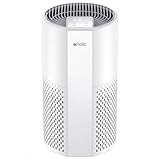
Afloia Air Purifier for Home, 4-in-1 Washable Filter for Allergies, Covers Up to 1076 ft², Quiet Operation, Auto Shut-Off & Night Light, Removes Pet Dander, Pollen, Dust, Mold, and Smoke, White,Pluto | Check Price On Amazon |

|
Nuwave OxyPure ZERO Air Purifier with Washable and Reusable Bio Guard Tech Air Filter, Large Room Up to 2002 Ft², Air Quality Monitor, 0.1 Microns, 100% Capture Irritants like Smoke, Dust, Pollen | Check Price On Amazon |

|
Air Purifiers for Home Large Room Up to 1,996 Ft², EOEBOT Air Purifier for Home Pets with Washable Filter, Quiet Sleep Mode, Air Quality Monitor, Air Purifier for Bedroom, Pet Hair, Dust, Smoke, White | Check Price On Amazon |
|
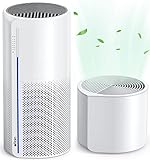
Afloia 2 IN 1 Air Purifier with Humidifier Combo, 3-Stage Filters for Home Allergies Pets Hair Smoker Odors, Evaporative Humidifier, Auto Shut Off, Quiet Air Cleaner with Seven Color Light,White | Check Price On Amazon |
The study proved that botanical biology can process toxic chemicals when atmospheric conditions remain perfectly static. However, the sealed chamber methodology intentionally removed the single most important variable of indoor air science. Homes do not operate like laboratory vacuum chambers. They constantly leak outdoor air through cracks, door frames, and ventilation ducts.
Why Sealed Lab Results Do Not Scale to Real Homes
Average residential buildings leak in outdoor air at 0.35 air changes per hour, which means the entire room volume cycles out roughly every three hours. This natural infiltration constantly replaces treated air with fresh untreated air from outside or adjacent rooms. Plant leaves rely on molecular diffusion to pull gas molecules across their surface boundary layer. The maximum natural convection velocity around leaves in a still room hovers around 0.2 meters per second. The mass transfer coefficient of passive diffusion falls drastically behind the air exchange rate of a standard house.
You can explore the mechanics of home ventilation in our article about when opening windows helps and when it hurts indoor air quality. Continuous VOC emission from furnishings, carpets, and paint creates a steady-state condition that passive foliage cannot interrupt. The math shows that dilution overrides botanical metabolism in every standard residential scenario.
The Real-World Math: How Many Plants Per Square Meter?
Peer-reviewed scaling models indicate that you need 10 to 1,000 plants per square meter of floor space to achieve the VOC reduction observed in sealed laboratory trials. A standard 10 by 10 foot bedroom would require a minimum of 900 mature snake plants to process airborne chemicals faster than natural infiltration replaces them. This density means packing your floor from wall to wall and stacking foliage nearly to the ceiling. Structural load limits and humidity constraints make this physically impossible in normal housing.
Effective botanical cleaning requires exceeding typical residential space constraints by massive margins. Room volume scales linearly with required plant count, meaning larger rooms need exponentially more foliage just to register on a standard VOC detector. Mechanical alternatives like true HEPA units with activated carbon beds achieve equivalent clean air delivery rates in seconds. Single mid-sized purifiers deliver over 150 CFM, while passive leaves deliver near zero cubic feet per minute of equivalent airflow.
CADR Reference
Smoke CADR Needed by Room Size and Air Changes Per Hour Target
All values pre-calculated at standard 8 ft ceiling height. Formula: (room area x 8 x ACH) / 60. Source: AHAM methodology.
| Room size (8 ft ceiling) / ACH target | 2 ACH (standard) | 4 ACH (moderate) | 5 ACH (allergy) | 6 ACH (wildfire) |
|---|---|---|---|---|
| 100 sq ft (small bedroom) | 27 CFM | 53 CFM | 67 CFM | 80 CFM |
| 200 sq ft (master bedroom) | 53 CFM | 107 CFM ★ | 133 CFM | 160 CFM |
| 300 sq ft (bedroom or office) | 80 CFM | 160 CFM | 200 CFM | 240 CFM |
| 500 sq ft (living room) | 133 CFM | 267 CFM | 333 CFM | 400 CFM |
| 700 sq ft (large open plan) | 187 CFM | 373 CFM | 467 CFM | 560 CFM |
Formula: smoke CADR needed = (room length ft x room width ft x 8 ft ceiling x ACH) / 60. ★ highlights the most common scenario: a 200 sq ft bedroom at 4 ACH moderate filtration. For allergy and asthma sufferers, always use the 5 ACH column. Manufacturer coverage area claims use 2 ACH, which means the effective coverage for allergy sufferers sits at roughly 40 percent of the stated figure.
Why More Plants Do Not Equal Better Air in Real Rooms
Doubling plant count in a ventilated space still yields diminishing returns because air diffusion limits mass transfer to leaf surfaces. Natural infiltration continuously replaces untreated air before passive uptake can process it. You can learn how to size equipment correctly by reading our guide on how to calculate and use CADR to choose the right air purifier. The boundary layer resistance around each leaf slows down chemical absorption until air exchange renders it irrelevant. Passive systems simply cannot match the continuous pollutant loads found in modern housing.
Practical Space and Light Constraints for High-Density Foliage
Achieving effective coverage requires structural floor reinforcement because potted plants and saturated soil weigh heavily. You will also need supplemental grow lighting providing 15 to 30 micromoles per square meter per second to maintain metabolic function. Constant moisture management turns a decorative living room into an engineered biofilter room. Humidity rises between 2 and 5 percent relative humidity when foliage density reaches effective scales, which introduces new indoor climate management challenges.
What Snake Plants Actually Remove from the Air (And What They Do Not)
Snake plants metabolically process light VOCs, specifically formaldehyde, benzene, and toluene, by drawing gas molecules through leaf stomata and degrading them via soil bacteria. They do not capture PM2.5, pet dander, or mold spores under normal indoor conditions without active airflow forcing particles onto wet surfaces. If your primary concern is particulate matter, you must use mechanical filtration equipment. Browse our ultimate buyers guide for air purifier selection to find equipment that targets solid particles. The botanical engine only handles chemical gases in their pure molecular state.
How Leaf Stomata Filter Gaseous Compounds vs Solids
Stomatal pores open to approximately 2 to 10 microns, allowing tiny gas molecules measuring 0.001 microns to diffuse inward. These pores remain physically incapable of capturing PM2.5 particles, which measure exactly 2.5 microns across. Dry leaves lack the electrostatic charge needed to pull solid aerosols from moving air. Brownian diffusion proves ineffective for particles at room scale without forced mechanical airflow. You need dense filter media like true HEPA material to intercept and trap solid allergens and dust.
CAM Photosynthesis and Nighttime Gas Exchange Reality
Snake plants differ from most foliage because they open leaf stomata after dark to fix carbon dioxide internally. Total oxygen output averages 0.0005 liters per hour per plant, which remains completely insufficient to alter room atmospheric composition. Human beings exhale roughly 0.2 liters of carbon dioxide per hour and consume 3.8 liters of oxygen. The net oxygen balance from potted foliage registers as statistically negligible in residential spaces. Bedroom placement decisions should prioritize ventilation and temperature control rather than counting on plants for supplemental air generation.
Myth vs Fact
Plant Air Purification Claims Debunked
Separating fact from fiction on the most common botanical air quality misconceptions. Sources: EPA, Journal of Exposure Science, peer-reviewed exposure modeling.
✗ Myth
A few snake plants in the bedroom clean the air enough to replace an HEPA unit and filter out wildfire smoke.
✓ Fact
Dry leaves capture zero fine particulate matter, and real homes require thousands of plants per room to match the 150 CFM clean air delivery rate of a standard mechanical air purifier.
✗ Myth
The NASA study proved snake plants purify indoor air in typical residential settings.
✓ Fact
NASA used sealed chambers with zero air exchange, whereas modern scaling studies show natural home ventilation overrides passive botanical uptake within minutes.
✗ Myth
Overwatering is fine because more moisture boosts plant purification power.
✓ Fact
Anaerobic soil conditions shift microbial pathways to produce methane and trace sulfides, while excess humidity above 65 percent relative humidity actively promotes indoor mold sporulation.
✗ Myth
Snake plants release massive amounts of oxygen at night to improve sleep quality.
✓ Fact
Nighttime oxygen production averages 0.0005 liters per hour per plant, which cannot offset human respiration or alter the carbon dioxide balance in any enclosed room.
Snake Plants vs Air Purifiers: Botanical Uptake vs Mechanical Filtration
One mid-range mechanical air purifier with activated carbon and true HEPA filtration delivers 100 to 1,000 times the clean air equivalent of passive snake plant foliage. Mechanical units combine particle interception with high-surface-area chemisorption at engineered airflow rates. Passive diffusion limits the plant equivalent to roughly 0.1 to 0.3 CFM, while mechanical purifiers deliver 150 to 200 CFM. Activated carbon beds absorb 150 to 300 grams of VOCs per kilogram before saturation. The critical air safety guidelines for chemical filtration emphasize that gas-phase contaminants require active contact time with adsorbent media, which passive leaves cannot provide. You will achieve measurable concentration reduction faster with mechanical airflow.
| Method | Target Pollutant | Removal Mechanism | Rate / CFM Equivalent | Maintenance Requirement |
|---|---|---|---|---|
| Passive Snake Plant | Formaldehyde (trace) | Rhizospheric microbial degradation | 0.1 to 0.3 CFM diffusion | Water every 2 to 3 weeks |
| Activated Carbon Bed | VOCs, benzene, toluene | High-surface-area physisorption | Matches unit fan speed | Replace every 6 to 12 months |
| True HEPA Media | PM2.5, dander, pollen | Mechanical impaction and interception | Full rated CADR | Replace every 12 to 18 months |
When Mechanical Purification Outperforms Botanical Methods
Mechanical systems dominate during high pollutant loads such as cooking smoke, renovation off-gassing, or wildfire infiltration. Continuous pet occupancy requires particle clearance rates that botanical surfaces cannot match. When natural air exchange drops below 0.5 air changes per hour, forced mechanical filtration delivers measurable concentration decay in minutes. A unit with 200 CFM smoke CADR achieves 4 air changes per hour in a 500 cubic foot space within three minutes. VOC spike clearance happens in under 10 minutes rather than days of passive diffusion. The engineering reality favors active equipment for any acute indoor air contamination event.
Integrated Approaches: Combining Plants with Mechanical Filtration
Using snake plants alongside HEPA and carbon purifiers leverages documented stress reduction benefits while letting mechanical units handle mass pollutant clearance. This layered indoor air quality management strategy separates psychological benefits from atmospheric engineering. Plant transpiration offset requires a dehumidifier balance during humid months, while the purifier runtime optimizes air exchange at 2 ACH baseline levels. You get the visual relief of greenery without compromising respiratory protection. Mechanical equipment handles the actual filtration load so your health outcomes remain protected.
The Hidden Engine: Soil Microbes vs Leaves in VOC Removal
Peer-reviewed phytoremediation data consistently shows that 60 to 90 percent of VOC degradation in potted plants occurs via potting medium microbiomes rather than leaf uptake. Stagnant or waterlogged soil actively degrades indoor air quality by releasing anaerobic byproducts and mold spores. Biofilm enzyme activity involving monooxygenases and peroxidases handles the actual chemical breakdown. You must keep the soil moisture below 70 percent saturation to maintain aerobic microbial pathways. Proper aeration directly determines whether your potted setup acts as a sink or a source for airborne contaminants.
| VOC Component | Leaf Uptake Percentage | Soil Microbial Degradation Percentage | Maintenance Risk | Optimization Tip |
|---|---|---|---|---|
| Formaldehyde | 10 to 40 percent | 60 to 90 percent | Waterlogging reduces aerobic breakdown | Use perlite mix for drainage |
| Benzene | Trace passive diffusion | Primary degradation pathway | Stagnant water increases sulfides | Avoid peat-heavy soil mixes |
| Toluene | Minimal direct absorption | Microbial consumption dominant | High humidity promotes spores | Monitor indoor humidity below 50 percent |
How Overwatering Can Reduce Indoor Air Quality
Saturated potting medium shifts microbial populations toward anaerobic pathways, which produces methane and trace sulfides instead of breaking down harmful chemicals. This biological breakdown actively introduces new chemical off-gassing into the living space. Elevated indoor relative humidity above 60 percent correlates directly with mold sporulation cycles that complete in 24 to 48 hours. Spores release into the room air through standard convection currents. Overwatering negates any marginal VOC reduction while actively introducing biological irritants that trigger asthma and allergic responses.
Optimizing Potting Medium for Maximum Microbial Activity
Well-draining substrates with perlite and coco coir blends maintain aerobic oxygen levels inside the root zone. Porosity targets should reach 15 to 25 percent to allow air pockets that sustain oxygen-dependent bacteria. Watering intervals should extend to every 14 to 21 days depending on room temperature. You want the medium to dry between cycles so aerobic biofilms remain active and aggressive against off-gassing chemicals. Proper drainage prevents the chemical shift toward anaerobic decay that contradicts your indoor air quality goals.
Secondary Benefits and Practical IAQ Considerations
Snake plants provide transpiration-based humidification that raises ambient dryness by 2 to 5 percent in arid rooms. Visual proximity to greenery lowers cortisol levels by 4 to 6 percent, which delivers measurable psychological stress reduction. These secondary wellness advantages matter for occupant comfort even though they do not equate to pathogen reduction or particle removal. Dust accumulation on waxy cuticles blocks stomatal pores if you neglect cleaning, which reduces gas exchange capacity further. You should maintain leaf hygiene to preserve whatever marginal chemical uptake the plant naturally performs.
Are Snake Plants Toxic to Cats and Dogs?
The ASPCA classifies these plants as toxic because they contain saponins in their tissues and sap. Clinical signs of ingestion include mild vomiting and hypersalivation rather than severe organ failure or life-threatening reactions. Veterinary guidance recommends symptom monitoring after chewing episodes but rarely requires emergency intervention. Placing pots above 4 feet or behind physical barriers eliminates casual chewing access for most domestic animals. The mild gastrointestinal distress risk does not outweigh keeping foliage in pet households, but you should still practice strategic placement.
Biophilic Perception vs Actual Air Quality Improvement
Visual exposure to foliage reduces cortisol and perceived freshness without altering the actual chemical composition of the room air. Psychological IAQ perception shifts significantly even when particulate and VOC concentrations remain completely unchanged. Residents often report breathing easier simply because they see greenery and associate it with wellness and cleanliness. This cognitive benefit remains valuable for mental health and room design. You should separate biophilic satisfaction from atmospheric chemistry modification to maintain accurate indoor air quality expectations.
The Verdict: When to Use Snake Plants and When to Rely on Mechanical Purification
Snake plants offer modest VOC absorption in static environments and proven psychological wellness benefits, but achieving clinically relevant indoor air quality improvement requires mechanical filtration or active ventilation systems operating at 4 or more air changes per hour. Use plants for biophilic design, aesthetic enhancement, and low-emission supplement rooms. Use mechanical purifiers for PM2.5, pet dander, wildfire smoke, high VOC spikes, and asthma or COPD management. Your optimal strategy combines a HEPA and carbon unit running continuously at baseline ventilation rates while decorative plants support visual wellness and marginal humidity control. The final engineering metric shows a plant delivers roughly 0.01 ppm reduction against the instant 100 CFM mechanical clearance needed for real health protection.
| Air Quality Need | Recommended Solution | Why It Works | Plant Role (If Any) |
|---|---|---|---|
| Wildfire Smoke PM2.5 | TRUE HEPA + activated carbon unit | Intercepts 99.97% of 0.3 micron smoke particles | Decorative only |
| Pet Dander / Allergens | Mechanical unit rated 5 ACH | Captures airborne solid aerosols continuously | None recommended |
| New Furniture Off-Gassing | Activated carbon bed + ventilation | Chemisorption captures gaseous VOCs rapidly | Marginally supportive |
| General Bedroom Comfort | Quiet low-CADR mechanical unit | Provides 2 ACH baseline without noise disruption | Biophilic stress reduction |
| High Humidity / Mold | Dehumidifier + exhaust ventilation | Controls moisture at the source | Avoid to prevent spore addition |
Ideal Room Profiles for Passive Botanical Placement
Snake plants perform best in low-traffic, tightly sealed offices or secondary bedrooms with continuous mild chemical off-gassing. These specific zones often maintain continuous low formaldehyde emission below 0.1 milligrams per square meter per hour. The slow uptake rate matches minimal air exchange rates found in well-insulated spaces. Relative humidity must stay between 30 and 50 percent to keep rhizospheric bacteria active without triggering mold. Passive botanical placement works when the pollutant load remains low and the air cycling speed stays below 0.3 ACH.
Signs You Need to Upgrade to Mechanical Air Purification
Persistent airborne allergies, visible dust accumulation, or frequent asthma reactions indicate particulate loads far exceeding botanical diffusion limits. Wildfire smoke infiltration pushes PM2.5 concentrations above 12 micrograms per cubic meter within hours. Visible particulate fallout exceeding 0.5 milligrams per cubic meter demands immediate mechanical intervention. The allergen reaction frequency rises sharply when air exchange cannot clear solid irritants from occupied breathing zones. You must deploy mechanical filtration to protect respiratory health when passive plants fail to lower particulate concentrations.
Frequently Asked Questions About Snake Plant Air Purification
Do snake plants actually remove VOCs in real homes?
Yes, they slowly absorb light gaseous VOCs like formaldehyde through passive stomatal diffusion. In a typical home operating at 0.35 air changes per hour, actual removal rates remain too low to measurably improve indoor air quality without dozens of plants. You cannot expect standard residential environments to show chemical reduction without impossible planting densities.
How many snake plants should I put in a 10×10 bedroom to clean the air?
Peer-reviewed scaling models require 10 to 100 plants per square meter for measurable VOC reduction. A standard 100 square foot bedroom would need over 900 snake plants packed from floor to ceiling to generate any chemical concentration drop. Structural floor limits, light requirements, and humidity control make installation physically impossible in residential construction.
Do snake plants remove PM2.5 and dust from the air?
No, dry leaves cannot mechanically capture fine particulate matter under normal indoor conditions. PM2.5 requires electrostatic impaction or dense filter media like true HEPA to achieve removal. Leaves capture roughly 0 percent of fine solids, leaving botanical methods completely ineffective for particle reduction.
How does the 1989 NASA study relate to real indoor air?
NASA tested plants inside sealed chambers with zero air exchange, while modern homes naturally cycle air between 0.2 and 0.75 times per hour. Continuous residential chemical emission prevents the concentration stabilization seen in laboratory settings. The 0.35 air change baseline actively negates slow botanical uptake, meaning sealed percentages do not scale to real living spaces.
Are snake plants toxic to cats and dogs?
These plants contain saponins that trigger mild gastrointestinal distress when chewed by domestic animals. Clinical signs include vomiting and drooling rather than life-threatening organ failure. The ASPCA maintains a toxicity classification, but the mild reaction profile allows safe placement above 4 feet or in restricted zones.
Does placing a snake plant near a window improve air cleaning?
Placing pots near windows increases natural airflow past leaves, which marginally improves gas exchange rates through convection. Indoor chemical concentrations still equilibrate faster through building infiltration than plant surfaces can process them. Net air quality improvement remains negligible in actively ventilated spaces despite better leaf convection.
Can I use snake plants to fix high formaldehyde from new furniture?
New furniture off-gassing often releases formaldehyde at 0.05 to 0.2 milligrams per cubic meter per hour, which exceeds plant uptake capacity by massive margins. Activated carbon filtration or source removal proves necessary for rapid chemical reduction. You should unwrap materials, increase mechanical airflow, and run carbon beds to address acute chemical load spikes.
Do snake plants increase indoor humidity?
Transpiration from a cluster of large leaves can raise room relative humidity by 2 to 5 percent in dry conditions. This provides minor winter offset benefits for occupants, but requires monitoring against the 30 to 50 percent EPA recommended range. Excess moisture pushes the environment into the mold sporulation threshold.
Should I activate a mechanical purifier if I already have snake plants?
Yes, mechanical equipment handles PM2.5, allergens, and chemical spikes at 150 to 200 CFM clean air delivery rates completely independent of botanical limits. This ensures measurable air quality improvement for respiratory health outcomes. Layered management lets you keep plants for wellness while relying on active filtration for actual contaminant removal.
How often should I clean snake plant leaves to maintain air quality?
You should wipe leaves every 2 to 4 weeks with a damp cloth to remove dust that blocks stomatal pores. Dust coatings reduce gas exchange capacity and prevent whatever marginal chemical absorption the plant naturally performs. Consistent cleaning maintains pore clarity and maximizes passive diffusion capability in low-emission rooms.
Research confirms that snake plants perform chemical metabolism in controlled laboratory chambers but fail to impact residential indoor air quality under normal living conditions. Allergy and asthma households should deploy mechanical HEPA and carbon filtration running at 5 air changes per hour for real respiratory protection. Pet owners and wellness-focused residents can keep foliage safe above the floor while relying on true filtration for solid particle clearance. Measure your room volume, verify your mechanical unit clean air delivery rate, and run equipment continuously to protect your breathing zone.