UV-C germicidal irradiation inactivates airborne pathogens by damaging their DNA and RNA at the molecular level, but most consumer air purifiers deliver UV-C doses so far below the required threshold that the germicidal stage contributes almost nothing measurable to real-world air quality. Understanding exactly where UV-C works, where it fails, and how it compares to True HEPA filtration will save you from paying a premium for technology that sounds impressive but rarely delivers in a portable device.
What Is UV-C Germicidal Irradiation in Air Purifiers?
UV-C germicidal irradiation (also called ultraviolet germicidal irradiation, or UVGI) is a disinfection technology that uses short-wavelength ultraviolet light in the 200 to 280 nanometer (nm) wavelength range to inactivate microorganisms including bacteria, viruses, mould spores, and other biological contaminants in air, on surfaces, and in water.
When applied inside a portable air purifier or whole-house HVAC-integrated UV system, UV-C light damages the DNA (deoxyribonucleic acid) and RNA (ribonucleic acid) of airborne pathogens, disrupting their ability to replicate and rendering them biologically inactive.
UV-C germicidal technology is not new. Hospitals, laboratories, water treatment facilities, and food processing plants have used UVGI systems since the 1930s, and consumer-grade integration accelerated dramatically during and after the global COVID-19 pandemic.
| Photo | Popular Air Purifiers | Price |
|---|---|---|

|
Air Purifiers for Home Large Room up to 1500ft², Tailulu H13 True HEPA Air Purifier for Pets Dust Odor Smoke, Air Purifier for Bedroom with 15dB Quiet Sleep Mode for Bedroom Office Living Room | Check Price On Amazon |
|
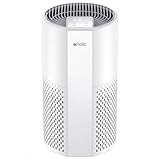
Afloia Air Purifier for Home, 4-in-1 Washable Filter for Allergies, Covers Up to 1076 ft², Quiet Operation, Auto Shut-Off & Night Light, Removes Pet Dander, Pollen, Dust, Mold, and Smoke, White,Pluto | Check Price On Amazon |

|
Nuwave OxyPure ZERO Air Purifier with Washable and Reusable Bio Guard Tech Air Filter, Large Room Up to 2002 Ft², Air Quality Monitor, 0.1 Microns, 100% Capture Irritants like Smoke, Dust, Pollen | Check Price On Amazon |

|
Air Purifiers for Home Large Room Up to 1,996 Ft², EOEBOT Air Purifier for Home Pets with Washable Filter, Quiet Sleep Mode, Air Quality Monitor, Air Purifier for Bedroom, Pet Hair, Dust, Smoke, White | Check Price On Amazon |
|
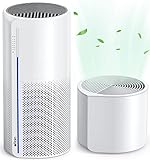
Afloia 2 IN 1 Air Purifier with Humidifier Combo, 3-Stage Filters for Home Allergies Pets Hair Smoker Odors, Evaporative Humidifier, Auto Shut Off, Quiet Air Cleaner with Seven Color Light,White | Check Price On Amazon |
The most important distinction to understand before reading further: UV-C germicidal irradiation is a supplementary disinfection technology, not a standalone air filtration system. UV-C light does not physically remove particles from the air.
It does not capture dust, pollen, pet dander, PM2.5 (fine particulate matter smaller than 2.5 microns), or volatile organic compounds (VOCs). For particle removal, a True HEPA filter capturing at least 99.97% of airborne particles at 0.3 microns remains the gold standard. UV-C and HEPA are complementary technologies, not interchangeable ones.
You can find UV-C and True HEPA combination air purifiers like the GermGuardian AC4825 that attempt to deliver both functions in a single unit, though as you will see below, the UV-C stage in these devices rarely delivers meaningful germicidal dose under real-world conditions.
The UV Light Spectrum: UV-A, UV-B, and UV-C Explained
The ultraviolet (UV) light spectrum is divided into three sub-bands based on wavelength. Only one of them, UV-C, is used for germicidal purposes in air purifiers.
| UV Band | Wavelength Range | Primary Effect | Air Purification Role |
|---|---|---|---|
| UV-A | 315-400 nm | Causes tanning, skin aging | Photocatalytic oxidation (PCO) in some purifiers |
| UV-B | 280-315 nm | Causes sunburn, vitamin D synthesis | Limited germicidal use |
| UV-C | 200-280 nm | Disrupts DNA/RNA in microorganisms | Primary germicidal band used in UVGI systems |
| Vacuum UV (VUV) | 100-200 nm | Generates ozone from oxygen molecules | Associated with ozone-producing purifiers, not recommended for occupied spaces |
The germicidal peak wavelength most effective for inactivating airborne pathogens is 253.7 nm, which is the primary emission wavelength of the low-pressure mercury (Hg) vapor lamps used in the vast majority of UV-C air purification systems. This includes devices from brands such as Honeywell, GermGuardian (Guardian Technologies), Levoit, Winix, and Coway that incorporate UV-C as a secondary treatment stage.
More recently, far-UV-C light (specifically the 207-222 nm sub-range, produced by excimer lamps or krypton-chloride filtered excimer sources) has emerged as a promising alternative. Research published in peer-reviewed journals including Scientific Reports and Radiation Research suggests far-UV-C at 222 nm may effectively inactivate airborne pathogens while posing significantly lower risk of harm to human skin and eyes compared to conventional 254 nm UV-C.
Air Quality Data
UV-C Germicidal Air Purification – What the Research Shows
Sources: EPA Indoor Air Quality, AHAM, International Ultraviolet Association, Columbia University Irving Medical Center
How UV-C Air Purification Works: The Science Behind Germicidal Light
The mechanism is straightforward at a molecular level. UV-C photons at or near 253.7 nm are absorbed by the nucleic acid bases within a microorganism’s genetic material, specifically by pyrimidine bases (thymine in DNA, uracil in RNA). This absorbed energy causes adjacent pyrimidine bases to bond together, forming cyclobutane pyrimidine dimers (CPDs), which are structural defects in the DNA or RNA strand.
These defects prevent the microorganism’s replication machinery (DNA polymerase) from accurately reading the genetic code, stopping reproduction entirely. The microorganism is rendered unable to replicate and is considered “inactivated” rather than physically destroyed.
Important clarification on “killed” vs. “inactivated”: UV-C does not physically destroy or disintegrate microorganisms. It inactivates them, meaning they are no longer infectious or able to multiply. Most consumer marketing uses the term “kills germs” loosely, but technically UVGI inactivates pathogens.
The UV-C Dose Equation: Intensity Times Time Equals Germicidal Effect
The effectiveness of any UV-C system is determined by the UV-C dose delivered to a target microorganism, expressed in microwatt-seconds per square centimeter (µW·s/cm²) or millijoules per square centimeter (mJ/cm²). The formula is simple: UV-C Dose (mJ/cm²) = UV-C Irradiance (mW/cm²) multiplied by Exposure Time (seconds).
Different microorganisms require different minimum UV-C doses for meaningful inactivation. Published dose-response data from the American Journal of Infection Control, the International Ultraviolet Association (IUVA), and the US Centers for Disease Control and Prevention (CDC) provide reference values that reveal a critical problem for consumer devices.
| Microorganism | UV-C Dose for 90% Inactivation (1-log) | UV-C Dose for 99.9% Inactivation (3-log) |
|---|---|---|
| E. coli | ~2.0 mJ/cm² | ~6.0 mJ/cm² |
| Staphylococcus aureus | ~5.0 mJ/cm² | ~15.0 mJ/cm² |
| Bacillus subtilis spores | ~36.0 mJ/cm² | ~108.0 mJ/cm² |
| Influenza A virus | ~3.0 mJ/cm² | ~9.0 mJ/cm² |
| SARS-CoV-2 (estimated) | ~3.7 mJ/cm² | ~11.1 mJ/cm² |
| Aspergillus niger (mould) | ~330.0 mJ/cm² | ~990.0 mJ/cm² |
| Mycobacterium tuberculosis | ~10.0 mJ/cm² | ~30.0 mJ/cm² |
The critical takeaway from this data: bacterial spores and mould species such as Aspergillus niger require UV-C doses that are 50 to 100 times higher than typical viruses and vegetative bacteria for equivalent inactivation. Most consumer-grade UV-C air purifiers deliver UV-C doses far below the threshold required to inactivate mould spores at practical airflow rates.
How UV-C Is Integrated Into Air Purifiers: System Configurations
UV-C germicidal technology is incorporated into air purification systems in three primary configurations, each with very different efficacy profiles.
In-duct UVGI Systems (Whole-House / Commercial): UV-C lamps are installed directly inside HVAC ductwork or air handling units. Air passing through the duct is exposed to UV-C radiation as part of the central air circulation system. The American Society of Heating, Refrigerating and Air-Conditioning Engineers (ASHRAE), specifically ASHRAE Standard 62.1 and ASHRAE’s UV Air and Surface Disinfection Handbook, provides design guidance for these systems.
Upper-Room UVGI Systems (Commercial / Institutional): UV-C fixtures are mounted near the ceiling of occupied rooms (typically at heights of 7 feet / 2.1 meters or above), creating a UV-C irradiation zone in the upper portion of the room that is separated from the occupied breathing zone below. The CDC and the National Institute for Occupational Safety and Health (NIOSH) publish guidelines for upper-room UVGI installation.
In-unit UV-C Stages in Portable Air Purifiers (Consumer): A UV-C lamp is housed inside the air purifier chassis, positioned so that air drawn through the device passes through or near the UV-C irradiation zone. The UV-C stage is typically located downstream of the HEPA and activated carbon filter stages.
Common consumer air purifier models incorporating UV-C include the GermGuardian AC4825 (3-in-1: True HEPA plus charcoal pre-filter plus UV-C lamp), the GermGuardian AC5350B, and the Levoit LV-H132. The Winix 5500-2 uses PlasmaWave technology, which is a form of bipolar ionization that is distinctly different from UV-C germicidal irradiation and should not be confused with it.
UV-C Effectiveness: What Pathogens and Pollutants Does It Actually Kill?
Peer-reviewed research supports UV-C germicidal irradiation as genuinely effective for inactivating a specific subset of airborne biological contaminants, provided sufficient dose is delivered. The operative phrase there is “provided sufficient dose,” which is where consumer devices consistently fall short.
Enveloped viruses (including influenza and coronaviruses) are among the most susceptible to UV-C inactivation. The lipid envelope is disrupted relatively easily, and the viral RNA within is damaged at moderate UV-C doses. Research from Columbia University Irving Medical Center, specifically work by Dr. David Brenner and the Center for Radiological Research, demonstrated that far-UV-C (222 nm) achieved greater than 99.9% inactivation of airborne SARS-CoV-2 at doses of approximately 1.7 to 2.0 mJ/cm² in studies published in Scientific Reports (2022).
Gram-negative vegetative bacteria (including E. coli and Salmonella) are generally susceptible at doses achievable in properly designed UVGI systems. Mycobacterium tuberculosis, the airborne pathogen responsible for tuberculosis, has historically been a primary driver of UVGI adoption in healthcare settings, with upper-room UVGI systems demonstrating significant reductions in TB transmission risk as documented in studies published in The Lancet and endorsed by the WHO Global Tuberculosis Programme.
Where UV-C Effectiveness Is Limited or Questionable
UV-C light inactivates biological contaminants but has zero effect on PM2.5 (fine particulate matter smaller than 2.5 micrometers), PM10 (coarse particulate matter), VOCs (including formaldehyde, benzene, xylene, and toluene), dust mite allergens (Der p 1 and Der f 1 proteins), pet dander (Fel d 1 in cats, Can f 1 in dogs), pollen grains, radon, ozone, and nitrogen dioxide. For removal of these pollutant categories, a True HEPA filter (for particles) and an activated carbon filter (for VOCs and odours) are the appropriate technologies.
This is the most fundamental limitation of UV-C as an air purification technology: it does nothing for the majority of indoor air pollutants that drive health outcomes. A True HEPA air purifier with activated carbon without any UV-C stage addresses a far broader range of indoor air quality concerns than a UV-C-only device ever could.
As the dose-response data above shows, Aspergillus niger (a common mould species) requires approximately 330 mJ/cm² for 90% inactivation. Consumer-grade UV-C air purifiers typically deliver UV-C doses in the range of 1 to 10 mJ/cm² to air passing through the unit at normal fan speeds, based on lamp wattage (typically 4 to 14 watts in consumer models) and air residence time in the UV-C zone (typically 0.1 to 1.0 seconds at medium-to-high fan speeds).
This means the UV-C stage in most portable air purifiers is functionally ineffective against mould spores at practical operating conditions. The True HEPA filter stage in the same device, which physically captures mould spores at 99.97% efficiency, is the component actually responsible for whatever mould spore reduction you observe. If mould is a concern in your home, consider reading about the best air purifiers for basement mould, humidity, and musty air, where the emphasis correctly falls on HEPA filtration and humidity control rather than UV-C.
UV-C Limitations: The Critical Gaps You Need to Know
The US Environmental Protection Agency (EPA), in its published guidance on UV-C air cleaners (Ultraviolet (UV) Air Cleaners and Upper Room Ultraviolet Germicidal Irradiation (UVGI), EPA 402-F-09-001), explicitly notes that the effectiveness of in-unit UV-C stages in portable air purifiers depends on UV-C lamp wattage, air residence time in the UV-C zone, lamp age and output degradation, reflective chamber design quality, and particle shielding.
Most consumer units use 4 to 14-watt lamps, far below the 30 to 100-plus watt lamps used in institutional UVGI systems. At high fan speeds, air moves through the UV-C zone in a fraction of a second, dramatically limiting dose delivery.
An independent assessment by researchers at the Lighting Research Center at Rensselaer Polytechnic Institute found that most consumer UV-C air purifiers deliver insufficient UV-C dose under real-world operating conditions to achieve the 3-log (99.9%) inactivation rates claimed in their marketing materials. This finding is consistent with EPA guidance and aligns with what the dose calculations in the section below confirm mathematically.
Low-pressure mercury UV-C lamps lose approximately 15% of their germicidal output within the first 100 hours of use and typically require replacement after 9,000 to 12,000 hours of operation. Many consumers are unaware of this replacement requirement and continue using lamps that still glow visibly but no longer emit meaningful UV-C at 253.7 nm.
Ozone generation is another real concern. Low-pressure mercury UV-C lamps emitting at 253.7 nm can also emit a secondary wavelength at 184.9 nm (vacuum UV / VUV). The 184.9 nm wavelength interacts with atmospheric oxygen (O₂) to generate ozone (O₃). The California Air Resources Board (CARB) sets a maximum ozone emission limit of 0.050 ppm for consumer air cleaning devices sold in California under the CARB Air Cleaner Regulation (Title 17, California Code of Regulations, Section 94800). Always verify that a UV-C air purifier is listed on the CARB Certified Air Cleaning Devices database before purchase.
Direct exposure of human skin or eyes to UV-C radiation from unshielded lamps causes photokeratitis (UV-C corneal damage, sometimes called “welder’s flash” or “arc eye”) and erythema (UV-C sunburn) within seconds to minutes of exposure. Consumer air purifiers enclose the UV-C lamp within the chassis, preventing direct exposure during normal operation. However, you must never look into the device’s air intake or outlet when the UV-C lamp is active, and you should always power off the device before performing any internal maintenance.
Myth vs Fact
UV-C Air Purifier Myths Debunked – What the Evidence Actually Shows
Separating fact from fiction on the most common UV-C air purifier misconceptions. Sources: EPA, AHAM, American Lung Association, peer-reviewed research.
Myth
UV-C air purifiers clean the air better than HEPA air purifiers.
Fact
True HEPA filtration physically removes at least 99.97% of particles at 0.3 microns, including pollen, dust mite allergens, pet dander, mould spores, PM2.5, and smoke particles. UV-C inactivates some biological pathogens but removes zero particles, VOCs, or chemical pollutants. For most indoor air quality concerns, a True HEPA air purifier without UV-C outperforms a UV-C-only device by a wide margin.
Myth
The blue UV-C light means the purifier is working.
Fact
The visible violet-blue glow indicates only that the lamp is powered on and generating visible light. It does not indicate that the lamp is still emitting meaningful UV-C germicidal radiation at 253.7 nm. UV-C output degrades significantly over time while visible light output may remain relatively constant. Always replace lamps on the manufacturer’s recommended schedule regardless of whether the device still appears to glow.
Myth
UV-C air purifiers eliminate mould.
Fact
Aspergillus niger mould spores require approximately 330 mJ/cm² for 90% inactivation, which is orders of magnitude higher than what any consumer UV-C air purifier delivers. Mould remediation requires identifying and removing the moisture source, physical cleaning or removal of mould-contaminated materials, and True HEPA filtration of airborne spores. Maintaining indoor relative humidity below 50% is the single most effective preventive measure.
Myth
Adding UV-C to an air purifier makes it significantly more effective.
Fact
The real-world germicidal benefit of the in-unit UV-C stages in most consumer portable air purifiers is marginal to negligible for most household applications. The True HEPA filter physically captures the vast majority of airborne biological particles that the UV-C stage is intended to inactivate. If your primary concern is biological air quality, investing in a higher-CADR True HEPA air purifier without UV-C provides more measurable benefit than a lower-CADR device with UV-C added.
Myth
UV-C air purifiers kill 99.99% of germs and viruses.
Fact
Marketing claims of 99.99% kill rates for UV-C in consumer air purifiers are derived from controlled laboratory test conditions that are not representative of real-world consumer device operation. The EPA and independent researchers at the Lighting Research Center at Rensselaer Polytechnic Institute consistently note this gap between laboratory claims and actual performance for consumer UV-C devices.
Myth
UV-C air purifiers are safe because UV light is natural.
Fact
UV-C radiation (200-280 nm) does not reach Earth’s surface in meaningful quantities because it is almost entirely absorbed by the stratospheric ozone layer. UV-C is not a naturally occurring component of the indoor or outdoor environment at ground level. Direct UV-C exposure causes rapid, severe damage to human skin (UV-C erythema) and eyes (photokeratitis) within seconds to minutes of exposure. Consumer UV-C air purifiers are safe during normal operation only because the UV-C lamp is enclosed within the device chassis.
UV-C vs. HEPA vs. Activated Carbon: Which Technology Does What?
Understanding how UV-C compares to True HEPA mechanical filtration and activated carbon adsorption is essential for evaluating any air purifier that incorporates UV-C as part of its multi-stage filtration system. The table below makes the comparison unmistakable.
| Feature / Pollutant | True HEPA Filter | Activated Carbon Filter | UV-C Germicidal Irradiation |
|---|---|---|---|
| PM2.5 (fine particles) | 99.97% capture at 0.3 µm | No effect | No effect |
| Pollen | Highly effective | No effect | No effect |
| Pet dander (Fel d 1, Can f 1) | Highly effective | No effect | No effect |
| Mould spores | Physical capture | No effect | Ineffective at consumer doses |
| Bacteria (vegetative) | Physical capture | No effect | Effective at sufficient dose |
| Viruses (enveloped) | Physical capture | No effect | Effective at sufficient dose |
| VOCs (formaldehyde, benzene) | No effect | Adsorption | No effect |
| Odours (smoke, cooking, pet) | Minimal | Adsorption | No effect |
| Ozone | No effect | With potassium permanganate additives | May generate ozone (risk) |
The key insight from this comparison: UV-C germicidal irradiation addresses a narrow biological sub-category of air pollutants that True HEPA filtration largely addresses through physical capture anyway. For the vast majority of indoor air quality (IAQ) concerns, UV-C provides no direct benefit.
The addition of UV-C as a supplementary stage to a True HEPA plus activated carbon air purifier may offer marginal additional pathogen inactivation under certain conditions, but it does not meaningfully broaden the device’s overall air cleaning capabilities. If cigarette smoke or tobacco odour is your concern, for instance, the activated carbon stage does all the work, not the UV-C. You can read more about what actually works for smoke removal in our guide on the best air purifiers for cigarette smoke.
Does UV-C in Air Purifiers Produce Ozone? Safety Concerns Explained
Ozone (O₃), a reactive gas composed of three oxygen atoms, is a known respiratory irritant. At ground level, ozone concentrations as low as 0.07 ppm can trigger respiratory symptoms in sensitive individuals, including those with asthma (a chronic inflammatory airway disease affecting approximately 25 million Americans according to the American Lung Association) and chronic obstructive pulmonary disease (COPD). The EPA classifies ground-level ozone as a criteria air pollutant and sets a National Ambient Air Quality Standard (NAAQS) of 0.070 ppm averaged over 8 hours.
Conventional low-pressure mercury UV-C lamps can generate ozone via two pathways. The first is 184.9 nm VUV emission, which directly converts oxygen (O₂) to ozone (O₃) via photolysis. The second is indirect production via photocatalytic oxidation (PCO), where some UV-C air purifiers incorporate titanium dioxide (TiO₂) photocatalysts that can produce ozone and other oxidative byproducts as reaction intermediates.
An important disambiguation: some devices sold as “UV-C air purifiers” are actually ozone generators, devices that intentionally produce ozone at high concentrations and market the ozone itself as the “purifying” agent. These are fundamentally different from UVGI devices. The EPA, CARB, and American Lung Association all explicitly state that ozone generators should not be used in occupied spaces.
Well-designed consumer UV-C air purifiers address ozone generation through ozone-free UV-C lamps (using specially doped quartz or borosilicate glass that is opaque to 184.9 nm VUV radiation while transmitting 253.7 nm germicidal UV-C) and CARB certification compliance. Before purchasing any air purifier with UV-C or ionizer technology, search the model number on the CARB Certified Air Cleaning Devices website (arb.ca.gov) to confirm compliance, even if you do not live in California.
UV-C Dosage and Exposure Time: Why Most Consumer Devices Fall Short
The UV-C dose delivered to an airborne microorganism in a consumer air purifier can be estimated with straightforward math. A typical consumer UV-C lamp (4-14 watts, low-pressure mercury type) produces approximately 0.1 to 2.0 mW/cm² of UV-C irradiance at 253.7 nm at a distance of 10 cm (4 inches) from the lamp.
At a typical medium fan speed of 200 CFM (approximately 94 liters per second) through a small UV-C chamber of 0.5 liters volume, the air residence time is approximately 0.005 seconds. At 1.0 mW/cm² irradiance, the resulting dose is approximately 0.005 mJ/cm², which is 0.25% of the minimum dose required for even 90% inactivation of the most UV-C-susceptible common pathogen (E. coli at 2.0 mJ/cm²).
This calculation illustrates why the EPA, independent researchers, and consumer testing organizations including Consumer Reports consistently note that in-unit UV-C stages in consumer portable air purifiers provide minimal, often negligible, germicidal benefit under real-world operating conditions. The most reliable way to assess an air purifier’s effectiveness remains its CADR (Clean Air Delivery Rate) rating and the presence of a certified True HEPA filter.
UV-C LED technology (ultraviolet light-emitting diodes) is beginning to appear in consumer air purifiers as an alternative to conventional low-pressure mercury vapor lamps. UV-C LEDs are mercury-free, reach full output instantaneously, and do not generate ozone through the 184.9 nm mechanism. However, current UV-C LED modules in consumer devices still face the same fundamental limitation of insufficient dose delivery at practical airflow rates, and their wall-plug efficiency (currently 5-15%) remains well below that of mercury vapor lamps (35-40%).
You can find UV-C LED air purifiers on the market, but apply the same skepticism to their germicidal claims as you would to conventional mercury lamp units until independent dose testing data is available for the specific model.
CADR Calculator
How Much CADR Do You Actually Need for Your Room?
Enter your room dimensions and use case. Formula: (length x width x ceiling height x ACH) divided by 60. Source: AHAM methodology.
CADR = (length x width x ceiling height x ACH) / 60. For allergy and asthma sufferers, always calculate at 5 ACH, not the manufacturer-stated 2 ACH figure. Manufacturer coverage area claims use 2 ACH, meaning effective coverage for allergy sufferers is roughly 40% of the stated figure.
| Room Size | CADR at 2 ACH (standard) | CADR at 5 ACH (allergy) | Example Models |
|---|---|---|---|
| 150 sq ft bedroom | 100 CFM | 250 CFM | Levoit Core 300, Coway AP-1512HH |
| 300 sq ft bedroom | 200 CFM | 500 CFM | Winix 5500-2, Levoit Core 400S |
| 500 sq ft living room | 333 CFM | 833 CFM | Coway Airmega 400, Blueair 605 |
| 700 sq ft open plan | 467 CFM | 1,167 CFM | IQAir HealthPro Plus or 2 units |
| 1000 sq ft open plan | 667 CFM | 1,667 CFM | Multiple units required |
Regulatory Standards and Certifications for UV-C Air Purifiers
Understanding which regulatory bodies govern UV-C air purifier claims and safety is essential for making an informed purchase. The landscape involves multiple organizations with overlapping but distinct jurisdictions.
The US Environmental Protection Agency (EPA) provides guidance on UVGI systems and air cleaner effectiveness through its Indoor Air Quality (IAQ) program (epa.gov/indoor-air-quality-iaq). The EPA does not test or certify individual consumer air purifiers but publishes the List of Air Cleaners with effectiveness guidance by pollutant type.
The California Air Resources Board (CARB) administers the most stringent ozone emission standard for consumer air cleaning devices in the United States: a maximum ozone emission of 0.050 ppm under normal operating conditions. The CARB Certified Air Cleaning Devices list (searchable at arb.ca.gov) is the most reliable resource for consumers to verify that a device, including UV-C and ionizer-equipped models, meets ozone safety standards.
AHAM (Association of Home Appliance Manufacturers) administers the ANSI/AHAM AC-1 standard, which defines the standardized test methodology for measuring CADR. AHAM Verifide certification means a model’s CADR claims have been independently verified through third-party testing. AHAM Verifide does not specifically test UV-C germicidal efficacy but verifies overall air cleaning performance.
ASHRAE publishes technical standards and guidelines for HVAC system design, ventilation, and indoor air quality, including guidance on UV-C system integration. ASHRAE Standard 62.1 (Ventilation and Acceptable Indoor Air Quality) is the primary reference for commercial and institutional building engineers designing UVGI systems.
The AAFA (Asthma and Allergy Foundation of America) asthma and allergy friendly Certification Program tests and certifies air purifiers for effectiveness in reducing asthma and allergy triggers. UV-C capability alone does not qualify a device for AAFA certification. Demonstrated allergen reduction through HEPA filtration is the key criterion.
UL 2998 is the Environmental Claim Validation Procedure for Zero Ozone Emissions from Air Cleaners, a voluntary certification that validates zero detectable ozone emissions from air cleaning devices. This certification is directly relevant to UV-C and ionizer-equipped models and provides an additional layer of safety verification beyond CARB.
The International Ultraviolet Association (IUVA) is a non-profit industry association that promotes UV technology research and publishes UV dose data for water and air disinfection applications. The IUVA’s technical publications are authoritative industry resources for UV-C system designers and specifiers.
Best Practices for UV-C Air Purifiers: Maximizing Effectiveness
If you own or are considering purchasing an air purifier that includes a UV-C stage, the following practices help maximize whatever germicidal benefit the UV-C component can provide in real-world conditions.
Step-by-Step Guide
How to Get the Most From a UV-C Air Purifier – Step by Step
6 steps to maximize real-world performance from your UV-C equipped air purifier
Prioritize the HEPA and activated carbon stages above all else
Run the air purifier primarily for its True HEPA (particle removal) and activated carbon (VOC and odour removal) capabilities. Think of the UV-C stage as a potential bonus, not the main feature, because the dose physics make it the weakest stage in almost every consumer device.
Use lower fan speeds when biological disinfection is the specific priority
Lower fan speeds increase air residence time in the UV-C chamber, allowing a higher UV-C dose to be delivered to passing air. The trade-off is reduced air changes per hour (ACH) and lower overall CADR, so this approach only makes sense during targeted pathogen reduction in smaller spaces during periods of low airflow need.
Replace UV-C lamps on schedule (every 9,000 to 12,000 hours)
Mark the installation date on the lamp or set a calendar reminder. A depleted UV-C lamp that still emits visible light but no longer emits meaningful UV-C at 253.7 nm provides zero germicidal benefit, and you will have no visual signal that it has degraded.
Verify CARB certification before and after purchase
Check arb.ca.gov to confirm your device is listed on the CARB Certified Air Cleaning Devices database. If the device is not listed, or if ozone emissions approach the 0.050 ppm limit, consider whether the UV-C or ionizer features are worth the potential ozone exposure risk, especially for asthma or COPD sufferers.
Position the air purifier correctly (at least 12 inches from walls)
Place the unit in the room where you spend the most time, away from walls and obstructions that would block air intake or exhaust. The EPA recommends running air purifiers continuously in occupied rooms for maximum airborne pathogen and particulate matter reduction. Do not place the unit behind furniture or in corners.
Layer UV-C with source control, ventilation, and humidity management
For genuine indoor air quality improvement, the EPA, ASHRAE, and CDC all recommend a layered approach: remove or reduce pollutant sources, increase fresh outdoor air intake, use True HEPA air purifiers with appropriate CADR, maintain indoor relative humidity between 30% and 50%, and use UV-C as a supplementary biological treatment layer, not a primary IAQ strategy.
Understanding how many air changes per hour your room actually needs is foundational to getting real results from any air purifier, UV-C stage or not. Our detailed guide on how many air changes per hour you need for clean indoor air walks through the ACH calculation for different health conditions and room sizes.
For serious biological contamination scenarios such as mould remediation, where UV-C genuinely falls short, professional-grade air scrubbers paired with source remediation and humidity control are the appropriate tools. You can read more about when and how those devices are used in our guide on air scrubbers for mould remediation.
Frequently Asked Questions About UV-C Germicidal Air Purification
Does UV-C in an air purifier actually work?
UV-C germicidal irradiation is a scientifically validated disinfection technology that genuinely inactivates airborne pathogens, including influenza viruses, coronaviruses, and many bacteria, when sufficient UV-C dose (irradiance multiplied by exposure time) is delivered. However, most consumer portable air purifiers incorporate low-wattage UV-C lamps (4-14 watts) in configurations that deliver significantly less UV-C dose than is required for meaningful pathogen inactivation under real-world operating conditions.
The True HEPA filter in the same device provides substantially more biological protection by physically capturing airborne pathogens. The Lighting Research Center at Rensselaer Polytechnic Institute confirmed this gap between marketing claims and real performance in their assessment of consumer UV-C devices.
Is UV-C in air purifiers safe?
Consumer air purifiers with enclosed UV-C lamps are safe during normal operation because the UV-C radiation is contained within the device chassis and does not escape into the occupied room in harmful quantities. Potential safety concerns include ozone generation from UV-C lamps without ozone-free glass, UV-C eye and skin exposure if the device is opened during operation, and mercury disposal requirements for used mercury vapor lamps.
Always verify CARB certification at arb.ca.gov to ensure ozone emissions are within the 0.050 ppm safe limit, and always power off the device before performing any internal maintenance.
Should I get an air purifier with or without UV-C?
For most consumers, a True HEPA air purifier with a good CADR rating appropriate for your room size, with or without UV-C, is the right choice. The presence or absence of a UV-C stage should not be a primary purchase decision factor, since the UV-C component in most consumer devices provides minimal real-world benefit beyond what the HEPA and activated carbon stages already deliver.
Prioritize smoke CADR rating, True HEPA certification, CADR-to-room-size appropriateness (targeting 5 ACH for allergy and asthma sufferers), CARB certification, and annual filter replacement cost in your purchase decision above any UV-C feature.
What wavelength of UV-C is most effective for air purification?
The most germicidally effective wavelength for conventional UV-C disinfection is 253.7 nm (the primary emission wavelength of low-pressure mercury vapor lamps), which aligns closely with the peak absorption wavelength of DNA and RNA at approximately 260-265 nm. Far-UV-C at 222 nm (produced by filtered krypton-chloride excimer lamps) is emerging as a highly promising alternative that may achieve similar germicidal efficacy with significantly lower risk of harm to human skin and eyes.
As of the time of publication, far-UV-C technology is used primarily in commercial, healthcare, and institutional applications. Consumer-accessible far-UV-C devices are beginning to emerge but have not yet achieved widespread availability or independent long-term safety validation.
How long does a UV-C lamp last in an air purifier?
Low-pressure mercury vapor UV-C lamps in consumer air purifiers typically maintain effective UV-C germicidal output for approximately 9,000 to 12,000 operational hours, equivalent to roughly 1.0 to 1.5 years of continuous 24/7 operation. After this period, UV-C output degrades below effective germicidal levels even if the lamp continues to emit visible light.
UV-C LEDs in newer consumer devices are rated for 10,000 to 20,000-plus hours. You can find replacement UV-C lamps for air purifiers for most major brands. Follow the manufacturer’s specific replacement interval and record your lamp installation date.
Does UV-C air purification generate ozone?
Low-pressure mercury UV-C lamps can generate ozone if they emit secondary vacuum UV (VUV) radiation at 184.9 nm, which reacts with atmospheric oxygen to produce ozone. Reputable UV-C air purifiers use ozone-free lamp glass that blocks 184.9 nm emission. To verify ozone safety, check whether the device is listed on the CARB Certified Air Cleaning Devices database (arb.ca.gov), which certifies that ozone emissions are at or below 0.050 ppm.
UV-C LEDs do not emit at 184.9 nm and therefore do not generate ozone through this mechanism, which is one genuine advantage of UV-C LED technology over mercury vapor lamps for consumer applications.
Can UV-C air purifiers kill COVID-19 (SARS-CoV-2)?
UV-C irradiation has been demonstrated in laboratory studies (including peer-reviewed work published in the Journal of Photochemistry and Photobiology and research from Columbia University Medical Center between 2020 and 2022) to effectively inactivate SARS-CoV-2 at doses of approximately 4-16 mJ/cm². However, most consumer portable air purifiers deliver substantially lower UV-C doses than those used in laboratory testing.
The CDC, EPA, and WHO recommend True HEPA air filtration and improved ventilation as the primary portable air cleaning strategies for reducing airborne COVID-19 transmission risk, rather than relying on consumer UV-C devices as primary protection.
What is far-UV-C and is it better than conventional UV-C?
Far-UV-C refers to ultraviolet light in the 207-222 nm wavelength sub-range, produced by filtered krypton-chloride (KrCl) excimer lamps. Research primarily from Columbia University Irving Medical Center suggests far-UV-C at 222 nm achieves germicidal efficacy against airborne pathogens comparable to conventional 254 nm UV-C but is absorbed by the outer dead-cell layer of human skin and the tear film of the eye, preventing meaningful penetration to living tissue.
This safety profile has led researchers to propose far-UV-C as potentially safe for use in occupied spaces, which would be a significant advancement over conventional UV-C that cannot be deployed in the breathing zone of occupied rooms. Consumer-accessible far-UV-C devices are beginning to emerge but have not yet achieved widespread availability.
Do I still need a HEPA filter if my air purifier has UV-C?
Yes, absolutely. A True HEPA filter is essential for particle removal regardless of whether your air purifier also has UV-C. UV-C irradiation does not remove any particles from the air. Without a HEPA filter, PM2.5, pollen, dust mite allergens, pet dander, and mould spores remain airborne in your room.
The presence of unfiltered particles also reduces the effectiveness of the UV-C stage by shielding microorganisms embedded within larger particles from UV-C photon exposure. True HEPA filtration is not optional. It is the foundational technology in any effective air purifier, and UV-C is only relevant as an add-on to HEPA, never as a replacement for it.
Why do UV-C doses in consumer devices fall so far short of what lab tests use?
Laboratory UV-C tests use precisely calibrated, high-intensity UV-C sources (often 30-100 watt or higher) with controlled exposure chambers where the test pathogen is exposed for seconds to minutes at close range to the lamp. Consumer air purifiers use 4-14 watt lamps and move air through the UV-C zone in approximately 0.005 seconds at medium fan speed.
The physics simply do not allow a low-wattage lamp and a fraction-of-a-second residence time to replicate the doses used in laboratory testing. No amount of marketing language changes the underlying dose equation: dose equals irradiance multiplied by time, and both variables are severely constrained in consumer portable devices.
Is it worth paying more for an air purifier that includes UV-C?
In most cases, no. If paying a $20-$50 premium for a UV-C stage means accepting a lower smoke CADR rating than a non-UV-C unit at the same price point, you are trading real, measurable air cleaning performance (CADR) for a feature that contributes minimally to real-world germicidal outcomes. Always compare smoke CADR values at the same price tier before deciding whether the UV-C premium is worthwhile.
The exception would be if two devices have identical CADR, identical filter technology, and similar CARB certification status, and one adds UV-C at no extra cost. In that narrow scenario, UV-C adds marginal potential benefit with no meaningful downside (assuming ozone-free lamp design and CARB certification are confirmed).
Which is better for airborne infection control: UV-C or better ventilation?
Better ventilation generally provides more reliable airborne infection risk reduction than consumer UV-C technology in most residential settings. The WHO Technical Brief on Indoor Ventilation (2021) prioritizes ventilation and HEPA filtration over UV-C technology for airborne infection risk reduction.
Increasing outdoor air changes per hour (ACH) through HVAC fresh air dampers or open windows (when outdoor AQI is favorable) dilutes airborne pathogen concentrations in ways that are measurable and reliable. The germicidal dose delivered by a consumer UV-C stage is not reliably measurable and frequently insufficient to provide meaningful pathogen inactivation at practical fan speeds.
Final Verdict: Should You Buy a UV-C Air Purifier?
UV-C germicidal irradiation is a legitimate, scientifically validated disinfection technology with a well-established history of effectiveness in healthcare, institutional, and industrial applications. In consumer portable air purifiers, however, UV-C’s contribution to real-world air quality improvement is modest at best and negligible in many products.
The practical buying framework is straightforward. If your primary concern is allergens, PM2.5, or wildfire smoke, prioritize True HEPA smoke CADR and forget UV-C entirely. If your concern is VOCs, formaldehyde, or odours, prioritize activated carbon filter mass and quality; UV-C adds nothing. If your primary concern is airborne biological pathogens (viruses and bacteria), prioritize True HEPA filtration combined with adequate ACH for your room size, because the HEPA filter physically captures the pathogens that the UV-C stage is trying (and mostly failing) to inactivate.
The best air purifier decision in almost every case remains a high-CADR True HEPA air purifier with activated carbon, correctly sized for your room at 5 ACH for allergy and asthma sufferers, CARB-certified, and AHAM Verifide, run continuously in the rooms where you spend the most time. A Coway Airmega 400 delivering 400 CFM smoke CADR or a Blueair 605 delivering 500 CFM smoke CADR without any UV-C stage will outperform any UV-C-only consumer device in every measurable real-world air quality metric. Whether the device you choose also includes a UV-C stage is, for most consumers in most situations, a secondary consideration at best.