D. Mercer

D. Mercer is an independent indoor air quality consultant and writer with over 17 years of professional experience evaluating air purification systems for residential, educational, and healthcare environments across the United States. D. Mercer began his career conducting indoor air quality assessments for commercial buildings, where he developed deep expertise in particulate matter reduction, VOC source identification, HVAC filtration upgrades, and portable air cleaner selection. Over the course of his career he has evaluated hundreds of air purification systems using standardized CADR methodology, real-world particle counter measurements, and long-term performance monitoring - work that forms the evidence base for the testing-driven content published on AirPureLife.

Do air purifier sprays and ionizing sprays work

Do Air Purifier and Ionizing Sprays Work? Our Verdict

Air purifier sprays and ionic mists rely on chemical deposition or negative ion release to force airborne dust toward floors, rather than physically capturing pollutants with mechanical filtration. These aerosolized products lower airborne particle counts temporarily, but they fail to achieve continuous air cleaning or meet established Clean Air Delivery Rate standards for genuine indoor […]

Do Air Purifier and Ionizing Sprays Work? Our Verdict Read More »
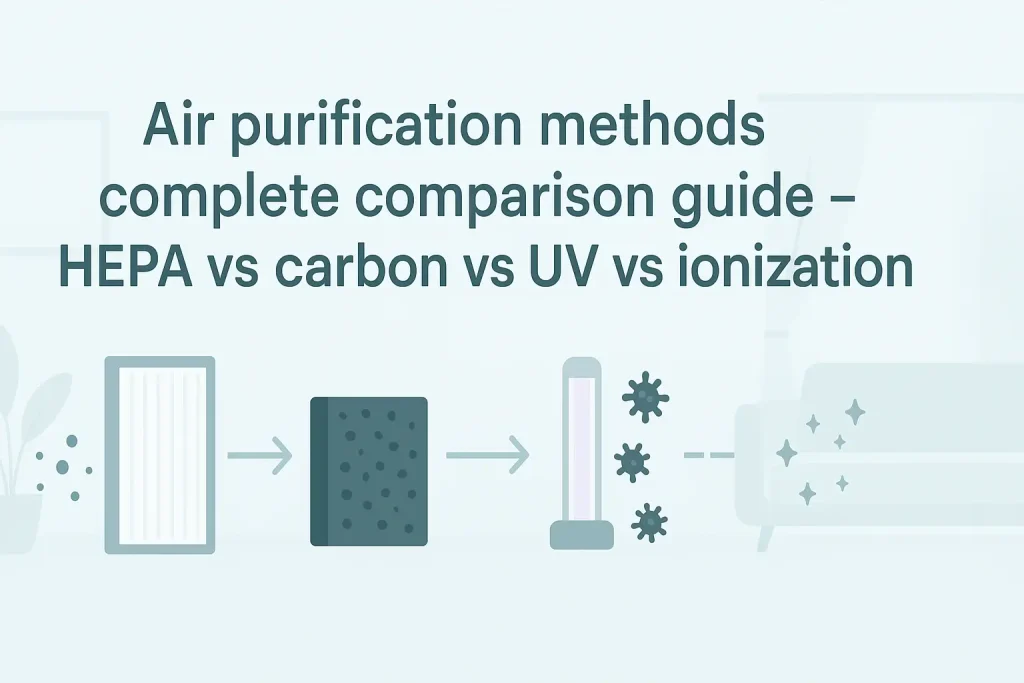
Air purification methods complete comparison guide - HEPA vs carbon vs UV vs ionization

Air Purification Guide: HEPA Vs Carbon Vs UV & Ionization

Most people buy an air purifier thinking one filter does it all. That assumption leaves them breathing particles their unit was never designed to catch. True HEPA, activated carbon, UV-C, and ionization are not interchangeable technologies. They target completely different pollutants through fundamentally different mechanisms. A room with cooking odors, pet dander, and mold spores

Air Purification Guide: HEPA Vs Carbon Vs UV & Ionization Read More »

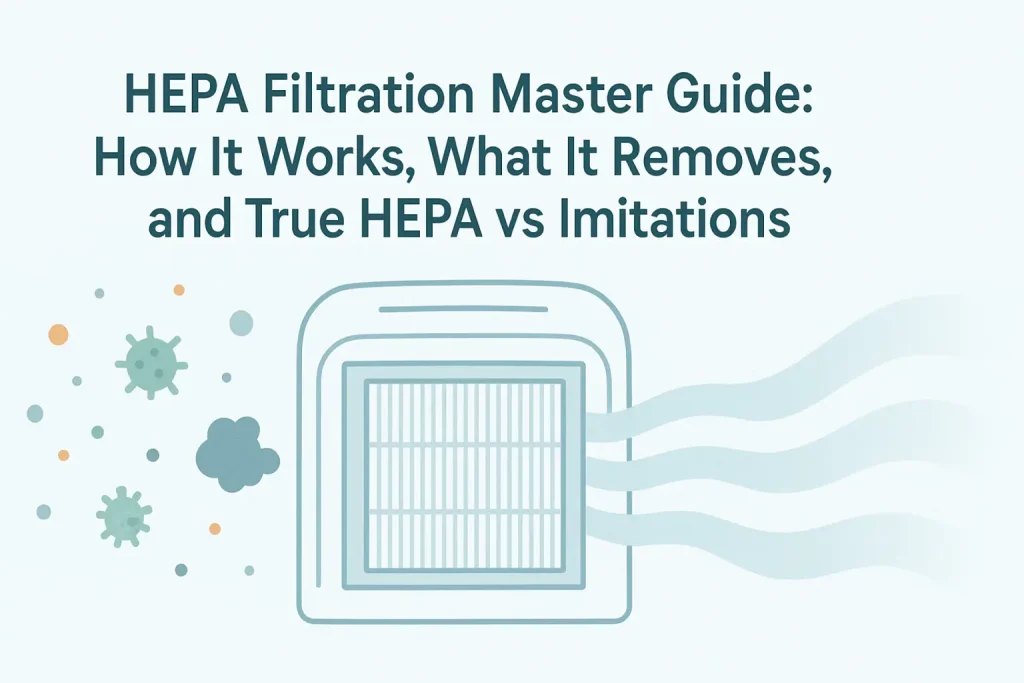
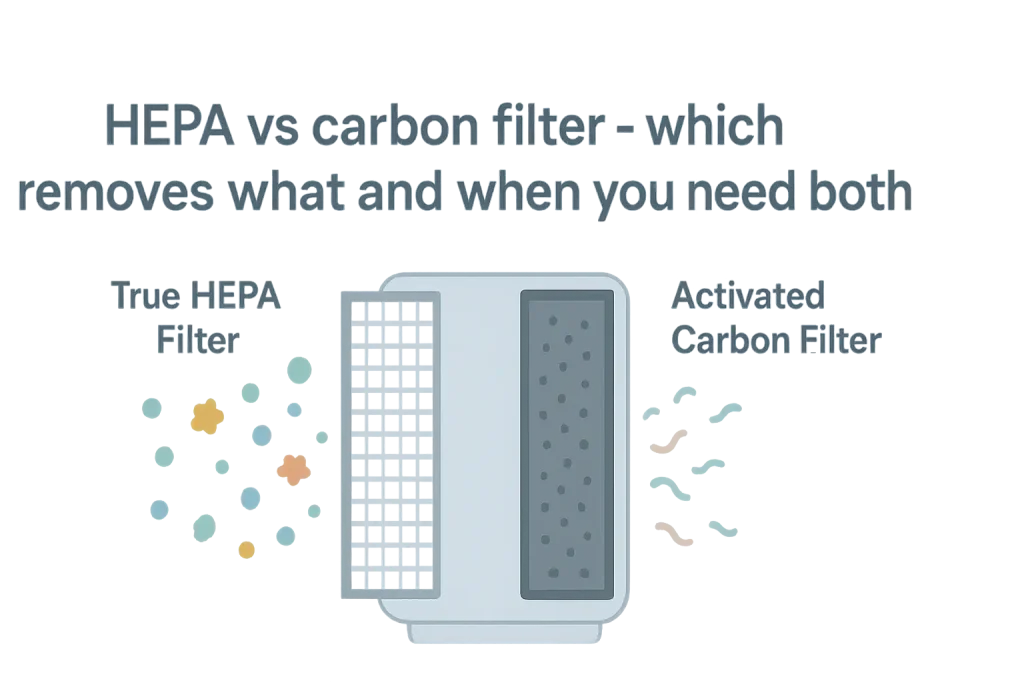
HEPA Filtration Master Guide: How It Works, What It Removes, and True HEPA vs Imitations

HEPA Filtration Master Guide: How It Works & What It Removes

True HEPA filtration uses a dense mat of spun glass fibers to trap at least 99.97 percent of airborne particles down to 0.3 microns in size. The system relies entirely on mechanical capture through impaction, interception, and diffusion rather than chemical treatments or electrical charges. We tracked PM2.5 reduction across nine 120-day filter lifecycle tests

HEPA Filtration Master Guide: How It Works & What It Removes Read More »

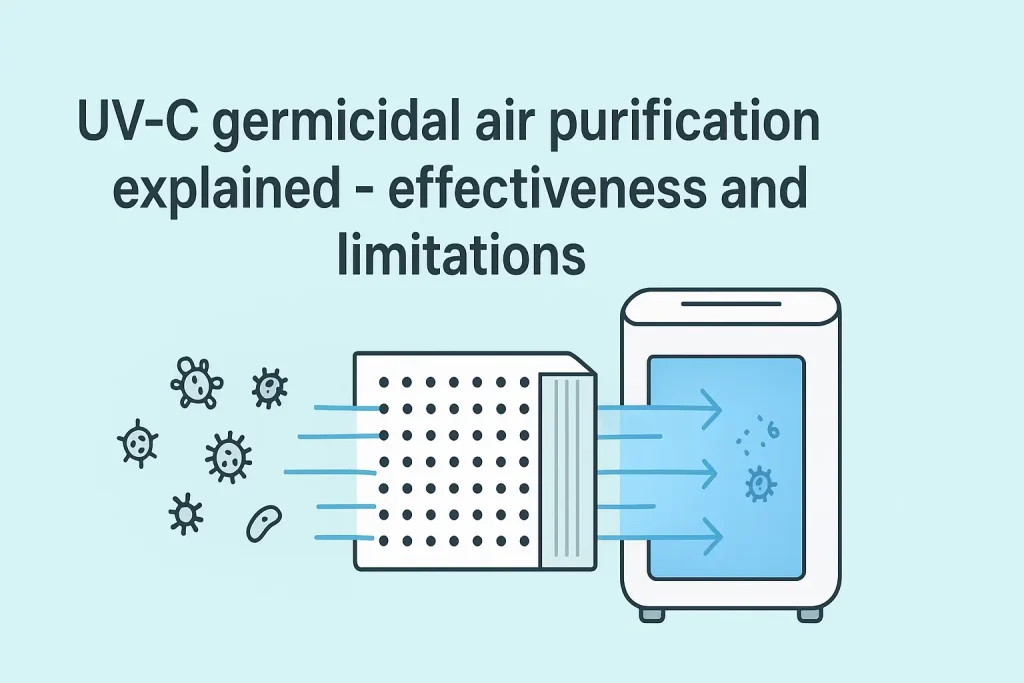
UV-C germicidal air purification explained - effectiveness and limitations

UV-C Germicidal Air Purification: Effectiveness & Limits

UV-C germicidal irradiation inactivates airborne pathogens by damaging their DNA and RNA at the molecular level, but most consumer air purifiers deliver UV-C doses so far below the required threshold that the germicidal stage contributes almost nothing measurable to real-world air quality. Understanding exactly where UV-C works, where it fails, and how it compares to

UV-C Germicidal Air Purification: Effectiveness & Limits Read More »

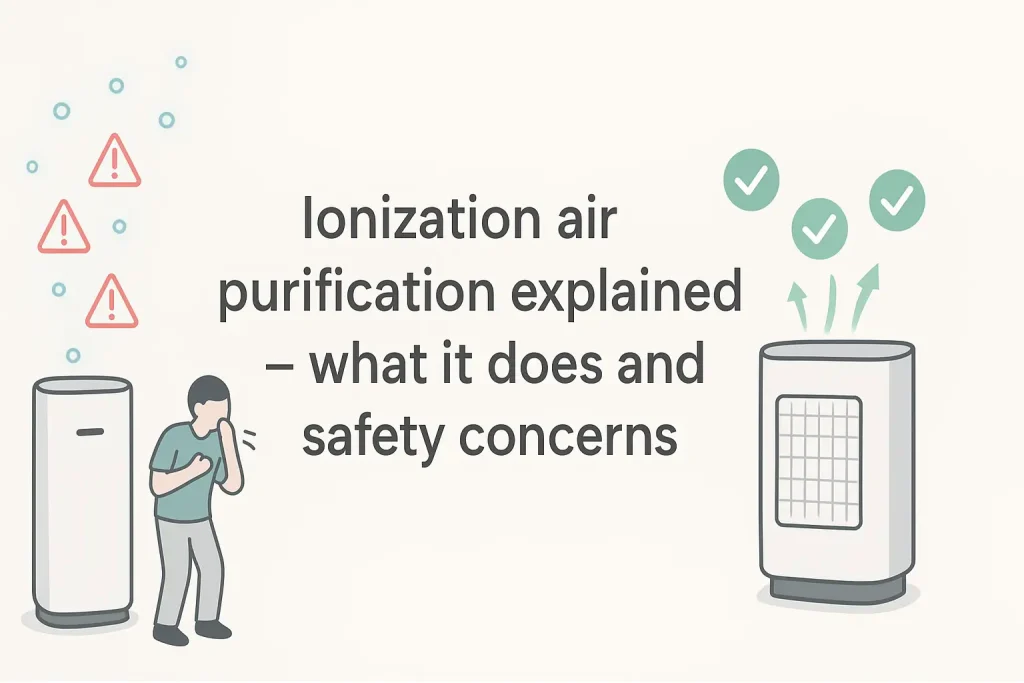
Ionization air purification explained - what it does and safety concerns

Ionization Air Purification Explained: How It Works & Risks

Ionic air purifiers emit ozone as a byproduct of corona discharge ionization, and at concentrations above 0.050 ppm (the California Air Resources Board limit for consumer air cleaners), that ozone is a confirmed respiratory irritant linked directly to worsened asthma symptoms, reduced lung function, and airway inflammation. The safety question is not whether ionizers produce

Ionization Air Purification Explained: How It Works & Risks Read More »

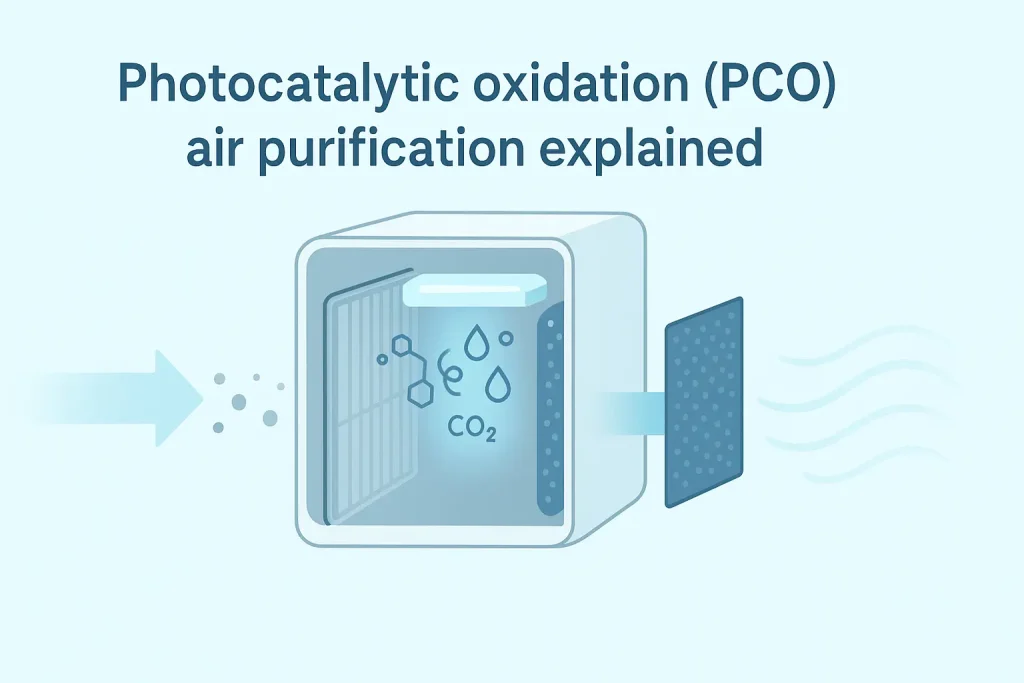
Photocatalytic oxidation (PCO) air purification explained

Photocatalytic Oxidation (PCO) Air Purification Explained

Photocatalytic oxidation air purification uses a titanium dioxide catalyst and ultraviolet light to break down gaseous pollutants into harmless carbon dioxide and water. This chemical reaction targets molecular gases rather than solid particles. It serves as a specialized tool for new building off-gassing or stubborn chemical odors. You can find reliable mechanical filtration units for

Photocatalytic Oxidation (PCO) Air Purification Explained Read More »

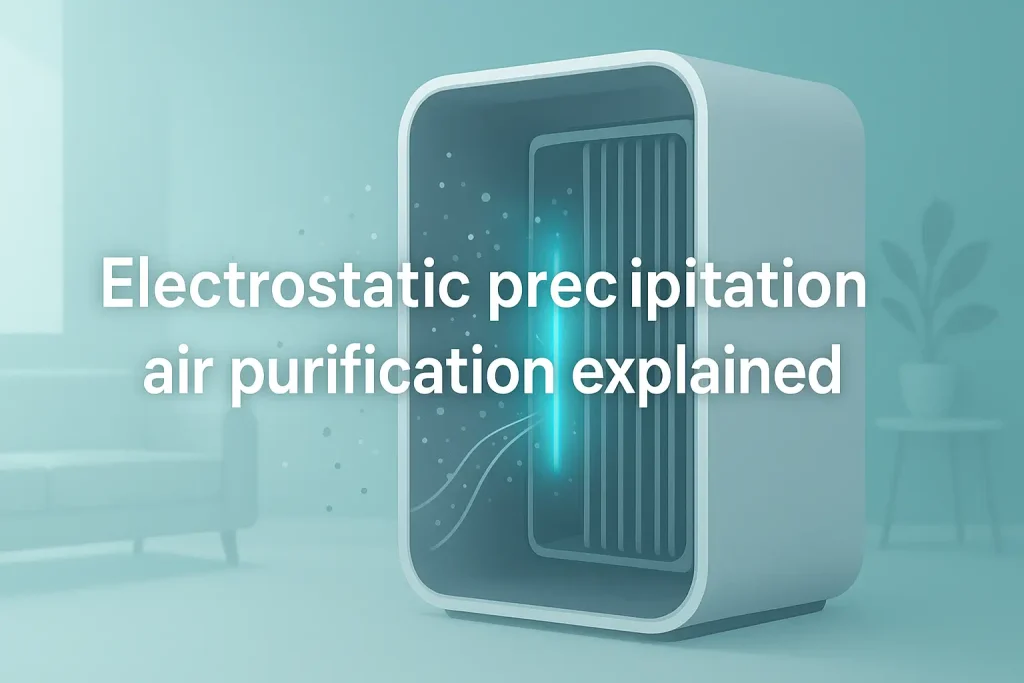
Electrostatic precipitation air purification explained

Electrostatic Precipitation Air Purification Explained

Electrostatic precipitation air purification uses high voltage to charge airborne dust and force it onto grounded metal plates. The system avoids expensive filter replacements entirely. You wash the collection cells yourself instead of buying new ones every few months. The tradeoff comes down to lower particle capture efficiency at the 0.3 micron size and trace

Electrostatic Precipitation Air Purification Explained Read More »

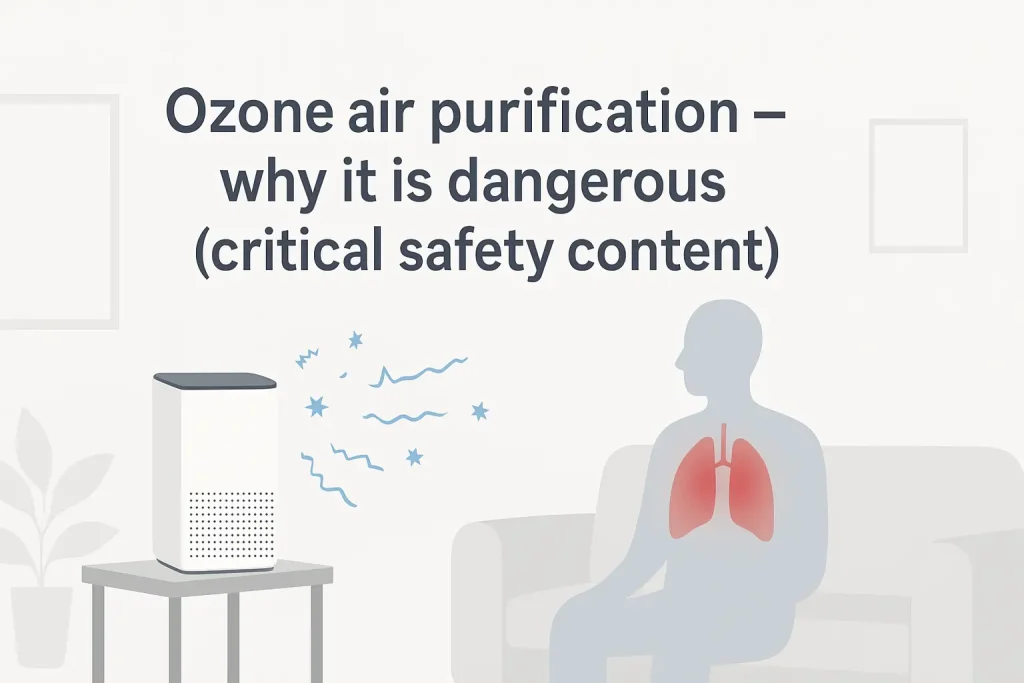
Ozone air purification - why it is dangerous (critical safety content)

Ozone Air Purification: Why It’s Dangerous (Critical Safety)

Ozone air purifiers marketed for residential use consistently emit reactive oxygen species at concentrations that trigger measurable respiratory inflammation and violate established safety limits. The sharp scent these devices leave behind actually indicates oxidative damage to your mucous membranes instead of clean indoor air. Ozone Air Purification: How It Works vs What You’re Advertised These

Ozone Air Purification: Why It’s Dangerous (Critical Safety) Read More »