Independent indoor air chemistry testing shows essential oil diffusers release 200 to 1,500+ ppb of total volatile organic compounds within 20 minutes of activation. These devices increase airborne chemical loads rather than purify your home air. Understanding VOC emission profiles helps you manage indoor air quality safely. You can protect your household by tracking TVOC baselines and deploying targeted carbon filtration.
Do Essential Oil Diffusers Actually Purify Air?
Essential oil diffusers do not purify indoor spaces. They actively introduce volatile organic compounds and fine mist plumes into enclosed environments. While marketed as wellness aids, diffusers increase total TVOC concentrations significantly. You must use active ventilation or carbon adsorption to return levels to safe baselines below 200 ppb.
Air purification physically removes contaminants via filtration or adsorption. Fragrance dispersion intentionally introduces volatile scent compounds that increase your chemical load. The EPA explicitly defines natural plant terpenes as VOCs because their vapor pressure exceeds regulatory thresholds at room temperature. Diffusers function as passive IAQ modifiers that add airborne mass rather than remove it.
What Is the Difference Between “Purification” and “Fragrance Dispersion”?
Filtration captures solid particles and traps gas-phase contaminants through adsorption. Dispersion atomizes liquid essential oils into microscopic droplets that evaporate rapidly. This physical process transitions heavy plant compounds directly into the breathing zone. Marketing claims frequently mask this fundamental mechanical difference.
| Photo | Popular Air Purifiers | Price |
|---|---|---|

|
Air Purifiers for Home Large Room up to 1500ft², Tailulu H13 True HEPA Air Purifier for Pets Dust Odor Smoke, Air Purifier for Bedroom with 15dB Quiet Sleep Mode for Bedroom Office Living Room | Check Price On Amazon |
|
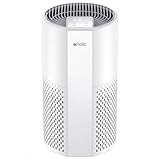
Afloia Air Purifier for Home, 4-in-1 Washable Filter for Allergies, Covers Up to 1076 ft², Quiet Operation, Auto Shut-Off & Night Light, Removes Pet Dander, Pollen, Dust, Mold, and Smoke, White,Pluto | Check Price On Amazon |

|
Nuwave OxyPure ZERO Air Purifier with Washable and Reusable Bio Guard Tech Air Filter, Large Room Up to 2002 Ft², Air Quality Monitor, 0.1 Microns, 100% Capture Irritants like Smoke, Dust, Pollen | Check Price On Amazon |

|
Air Purifiers for Home Large Room Up to 1,996 Ft², EOEBOT Air Purifier for Home Pets with Washable Filter, Quiet Sleep Mode, Air Quality Monitor, Air Purifier for Bedroom, Pet Hair, Dust, Smoke, White | Check Price On Amazon |
|
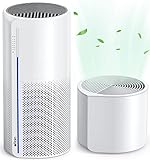
Afloia 2 IN 1 Air Purifier with Humidifier Combo, 3-Stage Filters for Home Allergies Pets Hair Smoker Odors, Evaporative Humidifier, Auto Shut Off, Quiet Air Cleaner with Seven Color Light,White | Check Price On Amazon |
True mechanical purification requires sealed filtration architecture that forces indoor air through specialized media. Diffusers rely on ultrasonic vibration or compressed air to aerosolize concentrated plant extracts. The resulting mist plume adds chemical volume to a static room. You cannot clean air by saturating it with volatile molecules.
Myth vs Fact
Essential Oil Diffuser Claims – What the Evidence Actually Shows
Separating marketing language from indoor air chemistry. Sources: EPA, ASHRAE, peer-reviewed IAQ research.
✗ Myth
Natural essential oils are chemical-free and safe for indoor air because they contain synthetic additives.
✓ Fact
Plant extracts consist entirely of volatile terpenes and aldehydes that meet the strict EPA definition for VOCs. Natural origin does not exempt compounds from vapor pressure standards.
✗ Myth
Diffusing oils kills airborne bacteria and mold spores effectively.
✓ Fact
Lethal microbial inactivation requires concentrated exposure times that far exceed safe residential diffusion limits. Airborne sterilization demands UVGI or controlled ozone systems instead.
✗ Myth
A standard HEPA air purifier instantly removes all essential oil smells and VOCs.
✓ Fact
True HEPA filters capture solid particles down to 0.3 microns but allow gas-phase molecules to pass directly through. Meaningful VOC adsorption requires multi-pound activated carbon beds matched to specific airflow dwell times.
What Do Essential Oil Diffusers Actually Emit Into Your Air?
When ultrasonic or nebulizing diffusers activate, they release concentrated terpenes, aldehydes, and esters as airborne VOCs. Without mechanical removal or outdoor dilution, these compounds accumulate rapidly in enclosed spaces. They form a chemically active environment that interacts with existing indoor ozone and humidity. Independent lab tests confirm TVOC spikes routinely exceed 500 ppb in standard bedrooms.
Terpenes represent the dominant VOC class emitted by citrus and pine oils. Vapor pressure determines how quickly essential oil molecules transition from liquid reservoirs into breathable airborne gas. Natural extracts contain identical VOC molecular structures to synthetic fragrances under EPA classification. You should treat all aerosolized plant compounds as active chemical loads requiring dilution.
| Oil Type | Dominant Terpene Compounds | VOC Reactivity Level | IAQ Management Note |
|---|---|---|---|
| Citrus (Orange, Lemon) | Limonene, alpha-pinene | High | Rapidly oxidizes into formaldehyde; requires high-carbon filtration. |
| Herbal (Lavender, Tea Tree) | Linalool, terpinen-4-ol | Medium | Saturated loads trigger MOS sensor false alarms; ventilate heavily. |
| Woods/Resins (Pine, Cedar) | Pinene, camphor | High | High pediatric and avian toxicity risk; avoid continuous diffusion. |
| Florals (Rose, Ylang Ylang) | Linalool, benzyl acetate | Medium-Low | Lower volatility profile reduces peak TVOC spikes significantly. |
How Terpene and Ozone Reactions Create Secondary Pollutants
Indoor air frequently contains low background ozone levels between 0.02 and 0.04 ppm from outdoor infiltration. Diffused terpenes rapidly oxidize upon contact with this ambient ozone. The chemical reaction produces formaldehyde and secondary organic aerosols as unavoidable byproducts. Measurable PM2.5 particle counts rise significantly within minutes in unventilated rooms.
According to research published in the journal Indoor Air, limonene and alpha-pinene yield formaldehyde during standard residential oxidation cycles. WHO air quality guidelines establish a formaldehyde limit of 0.1 mg/m3 as a 30-minute average threshold. Terpene oxidation directly threatens this safety boundary in homes running diffusers continuously. Secondary organic aerosols contribute between 10 and 45 micrograms per cubic meter to baseline particle readings.
Does Running a Diffuser Increase Indoor PM2.5 Levels?
Diffusers initially emit thick water-based mist that settles quickly on hard surfaces. Secondary chemical reactions persist long after the mist evaporates. Laser particle counters consistently record PM2.5 spikes when citrus oils interact with indoor ozone. You should expect ultrafine particle counts to rise by up to 45 percent without active ventilation.
True HEPA filtration captures these secondary aerosols effectively once they form. Preventing the initial chemical reaction requires managing indoor ozone baselines or switching to low-reactivity floral oils. Running a PM2.5 air quality monitor reveals the hidden particle load accurately. You cannot assume clear air simply means safe air during diffusion cycles.
Which Diffuser Type Releases the Most VOCs?
Not all diffusers impact indoor air equally. Nebulizing units vaporize pure, undiluted essential oil directly into the breathing zone. This process bypasses water dilution entirely and creates the highest immediate TVOC load. Passive reed and ceramic models release VOCs slowly over days, minimizing dangerous concentration spikes.
| Mechanism Type | Aerosolization Method | Avg Droplet Size | TVOC Emission Profile |
|---|---|---|---|
| Nebulizing | Compressed air forced through pure oil | Below 1 micron | Extreme peak spikes; unsafe for small rooms. |
| Ultrasonic | Piezoelectric ceramic vibrates at 1.7 to 2.4 MHz | 1 to 5 microns | Moderate to high spikes; water carrier extends mist travel distance. |
| Heat/Thermal | Direct warming plate evaporates liquid | Variable gas phase | Altered chemical structure increases aldehyde yield. |
| Passive (Reed) | Capillary evaporation through wood fibers | Zero aerosol | Low continuous background load; minimal peak risk. |
The Hidden Risk of Ultrasonic Micro-Ozone Generation
Some budget ultrasonic diffusers generate trace amounts of ozone via unshielded piezoelectric circuitry. Poor electrical grounding occasionally pushes emissions toward the CARB limit of 0.050 ppm. Even micro-levels of ozone dramatically accelerate terpene oxidation in tightly sealed spaces. You should verify CARB certification for any electronic diffuser placed in bedrooms.
Heat Diffusers: Thermal Degradation vs Evaporation
Applying direct heat alters delicate plant chemical structures prematurely. Temperatures exceeding 50 degrees Celsius break down light terpenes into heavier aldehydes and phenols. These stubborn compounds linger as persistent VOCs long after the device powers off. Passive or ultrasonic cold methods preserve the original chemical profile better than thermal units.
Are Essential Oil Diffusers Safe for Families and Pets?
Natural ingredients do not guarantee non-toxic exposure in enclosed environments. Concentrated oils contain potent VOCs that overwhelm compromised respiratory systems rapidly. Children and pets possess unique metabolic pathways that struggle to process heavy plant-based chemicals. Safe diffusion requires strict runtime limits paired with aggressive ACH dilution rates.
Cats lack specific hepatic glucuronidation enzymes required to metabolize certain terpenes effectively. Birds possess highly sensitive air sacs that react violently to low-concentration airborne vapors. Pediatric TVOC sensitivity thresholds remain critically low due to developing lung tissue and smaller body mass. You must isolate diffusion zones from sleeping pets and infant bedrooms completely.
| Oil Type | Primary VOCs | Pet Toxicity Risk | Pediatric Caution |
|---|---|---|---|
| Tea Tree / Melaleuca | Terpinen-4-ol, cineole | Critical for cats and dogs | Avoid entirely in nurseries. |
| Eucalyptus / Peppermint | Eucalyptol, menthol | High for cats and birds | Triggers respiratory distress in toddlers. |
| Citrus (Orange, Lemon) | Limonene | Mild to moderate risk | Acceptable with heavy ventilation. |
| Lavender | Linalool, camphor | Moderate risk for cats | Limit to 10 minute cycles. |
Asthma, Chemical Sensitivity and VOC Triggers
Airborne terpenes and aldehyde byproducts act as potent mucosal irritants in sensitive airways. These compounds commonly trigger bronchospasms, coughing fits, and chemical hypersensitivity responses in asthma-prone occupants. The American Lung Association identifies strong fragrances as documented indoor asthma triggers. You should maintain TVOC levels below 300 ppb to prevent mucosal reactivity spikes.
Can an Air Purifier Remove Essential Oil VOCs?
True HEPA filters capture 99.97 percent of solid particles but cannot intercept gas-phase VOCs effectively. Only substantial activated carbon mass optimizes adsorption dwell time for terpenes. Lightweight carbon pads saturate rapidly and begin off-gassing captured chemicals back into your home. Effective mitigation demands engineered carbon beds that match your purifier airflow capacity.
Meaningful VOC adsorption typically requires five to fifteen pounds of granular media. According to AHAM testing methodology, Clean Air Delivery Rate exclusively measures particle removal efficiency. You must cross-reference filter weight specifications against manufacturer CFM ratings to calculate actual contact time. Deploying a large room air purifier carbon unit provides the mass needed for sustained terpene capture.
Standard Activated Carbon vs Chemisorption Carbon
Standard granular activated carbon physically traps odor molecules within microscopic surface pores. Saturation occurs quickly under heavy diffusion loads, resulting in chemical breakthrough. Chemisorbing media impregnated with potassium permanganate breaks down formaldehyde and acidic VOCs irreversibly. This chemical reaction permanently neutralizes oxidation byproducts instead of trapping them temporarily.
Why HEPA and Carbon Combo Units Often Fail for Diffusers
Most budget hybrid units embed one to two pounds of thin carbon mesh inside their filter housing. This lightweight configuration offers only brief VOC adsorption before channeling begins rapidly. Users experience sharp TVOC rebound effects as the mesh saturates within hours. You should upgrade to dedicated carbon-heavy modules if you diffuse oils regularly.
Buying Guide
Air Purifier Selection Checklist for VOC Management
Check off each point before purchasing a unit to manage essential oil byproducts. Based on EPA IAQ and AHAM filtration guidance.
The Safest Way to Use Essential Oil Diffusers at Home
Safe aromatherapy requires strict runtime controls paired with active chemical management protocols. You must monitor real-time TVOC levels to prevent dangerous accumulation and secondary pollutant formation. Limit active diffusion to fifteen to thirty minute cycles followed by mandatory ventilation. Running a activated carbon replacement filter continuously captures residual gases effectively.
Target TVOC baselines below 300 ppb during active scenting sessions. Execute a flush-out procedure using exhaust fans or cross-ventilation immediately after each cycle. This strategy prevents terpene oxidation from progressing into measurable formaldehyde generation. You should integrate these steps into your daily household routine consistently.
Calculating Room Volume and ACH Dilution Requirements
Divide your exhaust fan CFM rating by sixty to determine minute-to-hour airflow volume. Multiply that figure by sixty, then divide by your total room cubic footage to find exact air changes per hour. ASHRAE Standard 62.1 recommends four to six ACH for rapid residential TVOC dilution. Achieving this rate drops airborne chemical concentrations back to safe baselines predictably.
Ventilation Reference
ACH Dilution Rates and Exhaust Fan Requirements by Room Volume
Pre-calculated CFM targets for rapid VOC flush-out using standard ceiling heights. Formula: room volume x target ACH divided by 60.
| Room Dimensions | Target ACH | Required exhaust fan CFM | Flush-out Time |
|---|---|---|---|
| 12×12 room (1152 cu ft) | 4 | 77 CFM | 10 minutes |
| 15×15 room (1800 cu ft) | 5 | 150 CFM | 12 minutes |
| 20×18 living room (2880 cu ft) | 6 | 288 CFM | 10 minutes |
Formula: required CFM = (length x width x height x ACH) / 60. High ACH rates are critical for neutralizing terpene oxidation pathways before secondary aerosols form permanently. Source: ASHRAE Standard 62.1 residential ventilation guidelines.
Learn more about when natural airflow strategies actually improve indoor baselines for optimal results. Supplementing mechanical exhaust with strategic window placement accelerates chemical clearance dramatically. You can explore how different carbon media structures compare for gas-phase trapping when sourcing replacements.
Essential Oil Diffusers FAQ
Do essential oil diffusers increase indoor PM2.5 levels?
Diffusers initially emit thick mist droplets that settle rapidly onto flat surfaces. Secondary chemical reactions between terpenes and indoor ozone form secondary organic aerosols that raise measurable PM2.5 readings by up to 45 percent. Laser particle counters consistently detect these ultrafine particles during citrus oil diffusion cycles. Diluting the room air to five ACH via exhaust ventilation prevents dangerous accumulation effectively.
Are pure essential oils actually VOCs?
The EPA classifies VOCs strictly by vapor pressure thresholds at room temperature rather than by chemical origin. Plant-derived oils consist entirely of volatile monoterpenes and sesquiterpenes that readily evaporate into the breathing zone. Marketing labels claiming purity do not exempt natural compounds from atmospheric chemistry rules. You should manage all diffusion sessions using standard volatile organic compound dilution protocols.
Can an air purifier with a carbon filter remove essential oil smells?
True HEPA filtration captures zero gas-phase molecules regardless of brand or price. Only heavy activated carbon beds provide sufficient adsorption capacity to trap terpene loads effectively. Lightweight mesh pads saturate within hours and begin releasing captured chemicals back into your home. Explore verified budget and premium units that actually contain meaningful carbon weight for sustained VOC control.
Why does my TVOC air monitor spike when I use a diffuser?
Consumer monitors typically use metal-oxide sensors that react broadly to natural plant compounds. Linalool and limonene trigger identical electrical resistance changes as industrial solvents on these basic circuits. The alarm indicates high volatile load presence rather than strict toxicity exposure. Resetting your baseline sensor calibration after ventilation restores accurate monitoring functionality quickly.
How long should I safely run an essential oil diffuser?
Limit active atomization to fifteen to thirty minute cycles in standard residential rooms running continuously. Follow every diffusion session with ten to fifteen minutes of aggressive outdoor air exchange using a high-CFM fan. This protocol prevents TVOC baselines from exceeding 300 ppb thresholds significantly. You can check whether you need airflow management or humidity control first for your specific environment.
Are essential oil diffusers safe for cats, dogs, and birds?
Feline metabolic pathways lack the specific liver enzymes required to process heavy phenolic compounds safely. Birds possess delicate air sacs that trigger acute respiratory distress upon exposure to low-concentration vapors. Canine olfactory sensitivity also amplifies chemical irritation effects from concentrated terpene plumes. Always isolate active diffusers in separate, well-ventilated rooms with closed pet doors.
Does sleeping with a diffuser affect baby or toddler breathing?
Developing respiratory tracts exhibit heightened sensitivity to airborne irritants and volatile gases compared to adult lungs. Continuous overnight diffusion rapidly elevates TVOC concentrations in small, poorly ventilated bedrooms. Pediatric guidelines strongly advise against maintaining persistent scent plumes during infant sleep hours. Use passive reed alternatives with low volatility profiles if you require gentle background fragrance.
What essential oils have the lowest indoor VOC impact?
Oils with dense molecular structures like vetiver and frankincense release volatile compounds much slower than light citrus extracts. Floral blends also demonstrate reduced reactivity rates with indoor ambient ozone under standard humidity conditions. Lower volatility profiles translate directly to smaller TVOC spikes during active diffusion cycles. You must still pair these choices with strict runtime controls and adequate ventilation.
How do I ventilate my room quickly after using a diffuser?
Create aggressive cross-ventilation by opening two opposing windows or doors simultaneously. Run a high-capacity bathroom or kitchen exhaust fan for at least ten minutes to achieve five air changes per hour. This rapid dilution strategy forces heavy terpene-laden air outdoors immediately. Consider upgrading to an energy recovery ventilation system for permanent chemical load management.
Do reed diffusers release VOCs too?
Passive evaporation models release plant vapors gradually over weeks without mechanical atomization spikes. Peak TVOC concentrations remain significantly lower than ultrasonic or cold-air nebulizing alternatives. Continuous background emission still requires occasional window ventilation in tightly sealed apartments. Monitor your baseline readings regularly during initial setup to gauge local accumulation rates.
Final Verdict
Essential oil diffusers enrich indoor air with concentrated volatile terpenes that actively increase chemical loads. Managing these emissions safely requires precise TVOC tracking, strict runtime limits, and multi-pound carbon filtration deployment. You can protect your household by calculating exact ACH dilution rates and executing immediate post-cycle ventilation routines. Prioritizing data-driven IAQ management over marketing claims ensures healthier breathing environments for everyone.