Air Purification

HEPA Filtration Master Guide: How It Works, What It Removes, and True HEPA vs Imitations

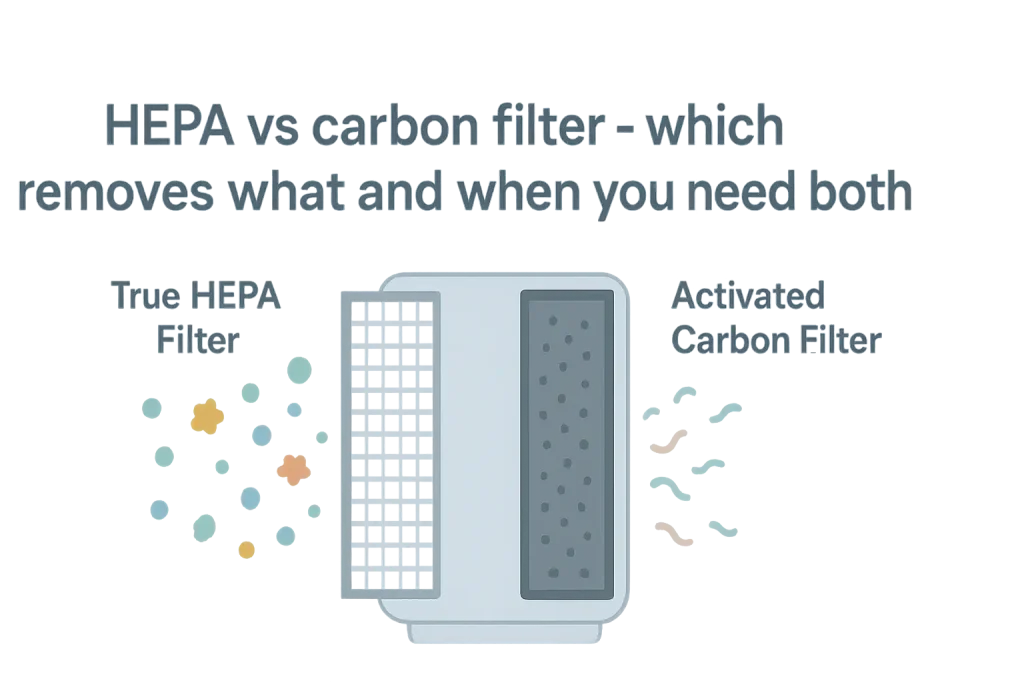
HEPA Filtration Master Guide: How It Works & What It Removes

True HEPA filtration uses a dense mat of spun glass fibers to trap at least 99.97 percent of airborne particles down to 0.3 microns in size. The system relies entirely on mechanical capture through impaction, interception, and diffusion rather than chemical treatments or electrical charges. We tracked PM2.5 reduction across nine 120-day filter lifecycle tests […]

HEPA Filtration Master Guide: How It Works & What It Removes Read More »
UV-C germicidal air purification explained - effectiveness and limitations

UV-C Germicidal Air Purification: Effectiveness & Limits

UV-C germicidal irradiation inactivates airborne pathogens by damaging their DNA and RNA at the molecular level, but most consumer air purifiers deliver UV-C doses so far below the required threshold that the germicidal stage contributes almost nothing measurable to real-world air quality. Understanding exactly where UV-C works, where it fails, and how it compares to

UV-C Germicidal Air Purification: Effectiveness & Limits Read More »

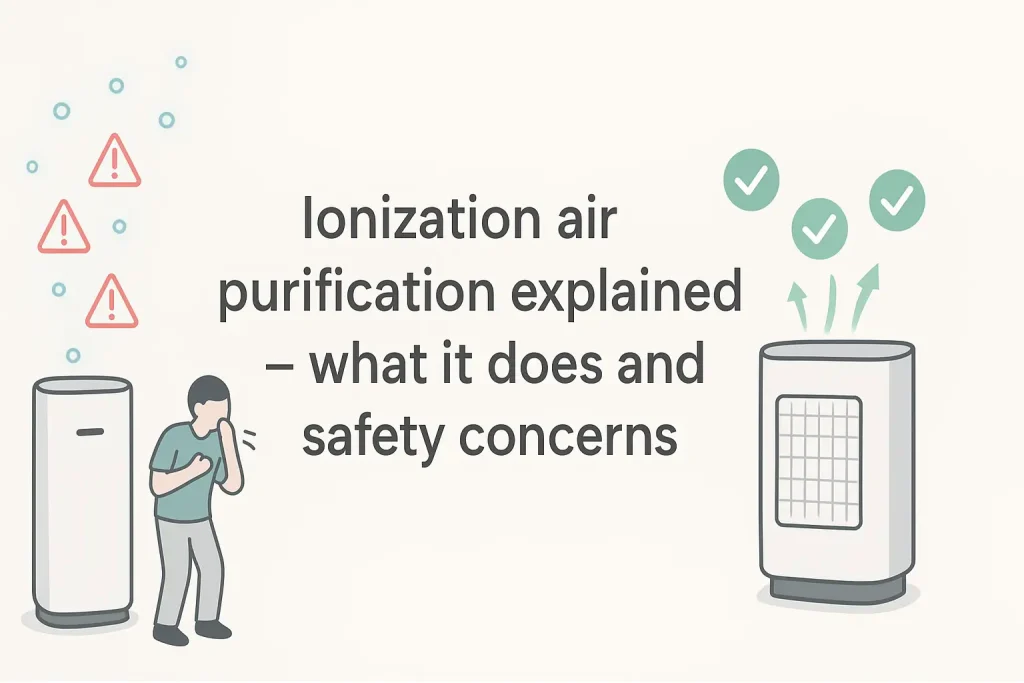
Ionization air purification explained - what it does and safety concerns

Ionization Air Purification Explained: How It Works & Risks

Ionic air purifiers emit ozone as a byproduct of corona discharge ionization, and at concentrations above 0.050 ppm (the California Air Resources Board limit for consumer air cleaners), that ozone is a confirmed respiratory irritant linked directly to worsened asthma symptoms, reduced lung function, and airway inflammation. The safety question is not whether ionizers produce

Ionization Air Purification Explained: How It Works & Risks Read More »

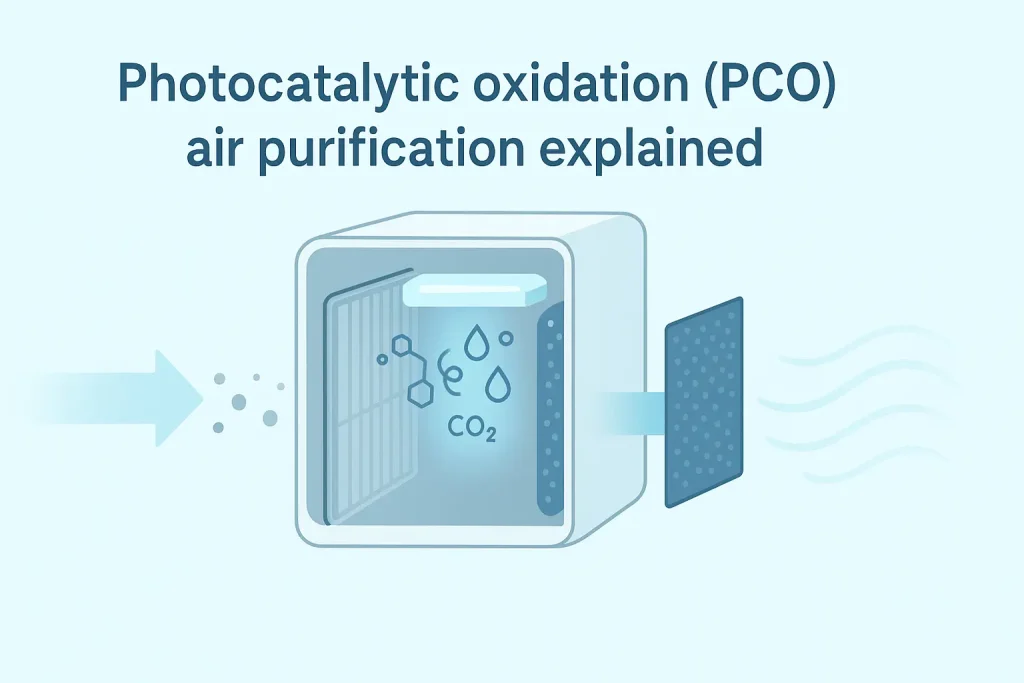
Photocatalytic oxidation (PCO) air purification explained

Photocatalytic Oxidation (PCO) Air Purification Explained

Photocatalytic oxidation air purification uses a titanium dioxide catalyst and ultraviolet light to break down gaseous pollutants into harmless carbon dioxide and water. This chemical reaction targets molecular gases rather than solid particles. It serves as a specialized tool for new building off-gassing or stubborn chemical odors. You can find reliable mechanical filtration units for

Photocatalytic Oxidation (PCO) Air Purification Explained Read More »

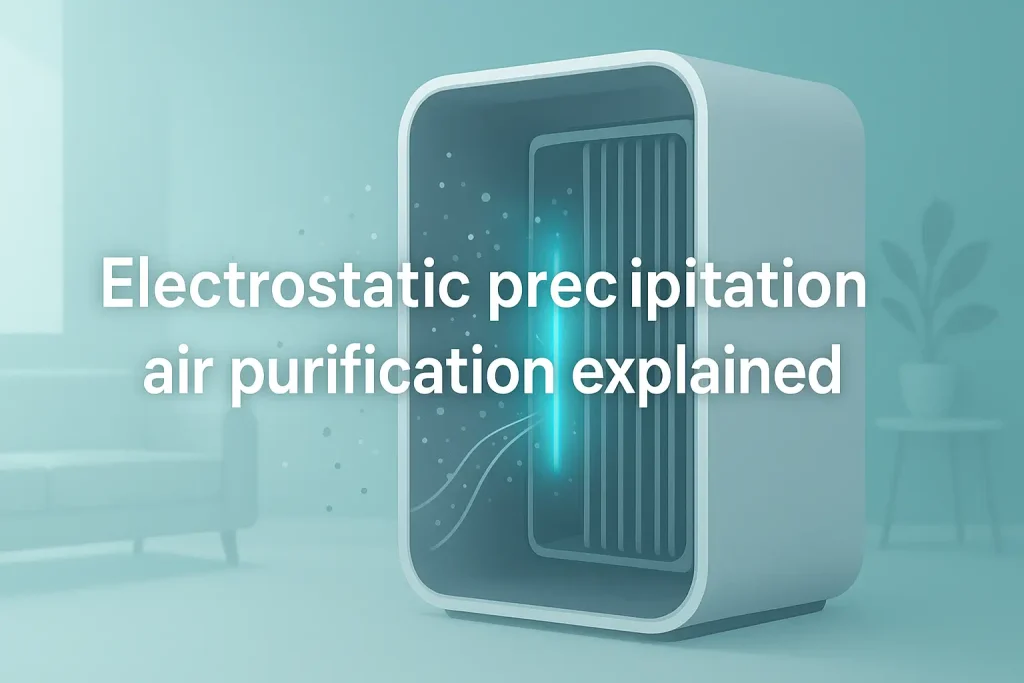
Electrostatic precipitation air purification explained

Electrostatic Precipitation Air Purification Explained

Electrostatic precipitation air purification uses high voltage to charge airborne dust and force it onto grounded metal plates. The system avoids expensive filter replacements entirely. You wash the collection cells yourself instead of buying new ones every few months. The tradeoff comes down to lower particle capture efficiency at the 0.3 micron size and trace

Electrostatic Precipitation Air Purification Explained Read More »

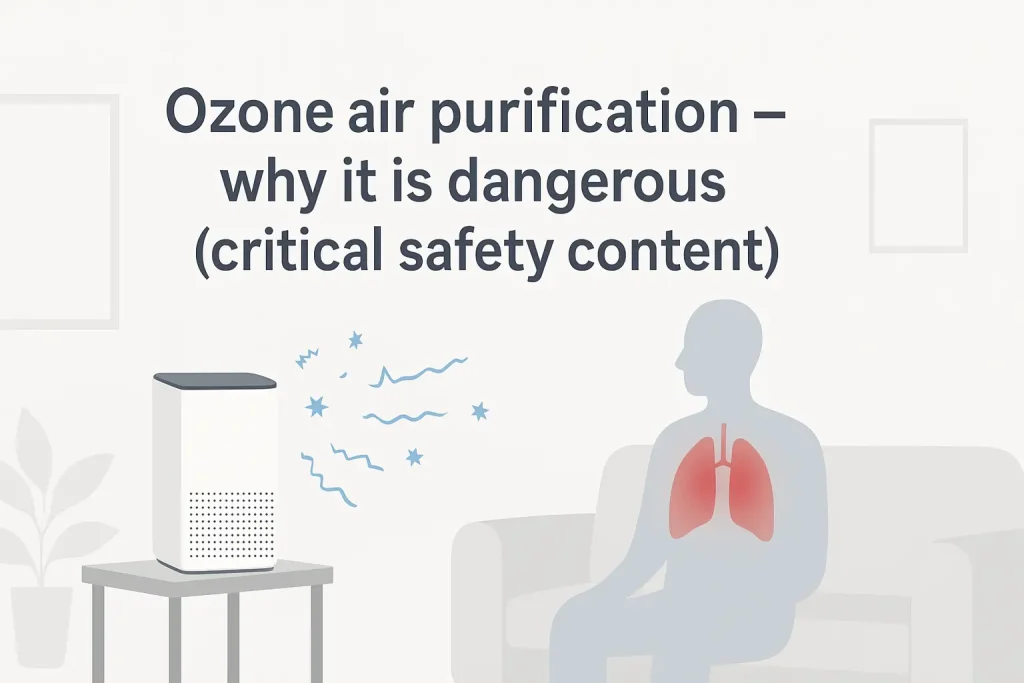
Ozone air purification - why it is dangerous (critical safety content)

Ozone Air Purification: Why It’s Dangerous (Critical Safety)

Ozone air purifiers marketed for residential use consistently emit reactive oxygen species at concentrations that trigger measurable respiratory inflammation and violate established safety limits. The sharp scent these devices leave behind actually indicates oxidative damage to your mucous membranes instead of clean indoor air. Ozone Air Purification: How It Works vs What You’re Advertised These

Ozone Air Purification: Why It’s Dangerous (Critical Safety) Read More »

Source control vs air purification - which is more effective and why

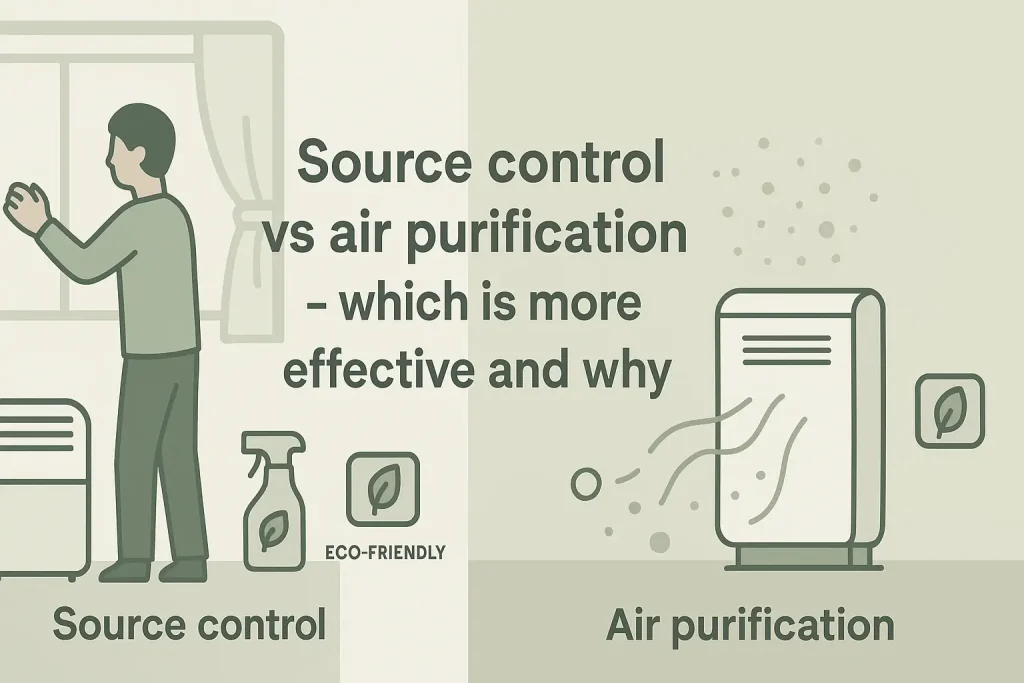
Source Control vs Air Purification – More Effective and Why

Preventing indoor pollution at the origin removes up to 90 percent of contaminant loads permanently, while running a portable air cleaner only recirculates existing particles until the filter saturates. Source control eliminates pollutants before they enter your breathing zone. True HEPA air purifiers capture what escapes your control measures, making them a mandatory secondary defense.

Source Control vs Air Purification – More Effective and Why Read More »

HEPA vs ionizer - which is better, safer, and more effective

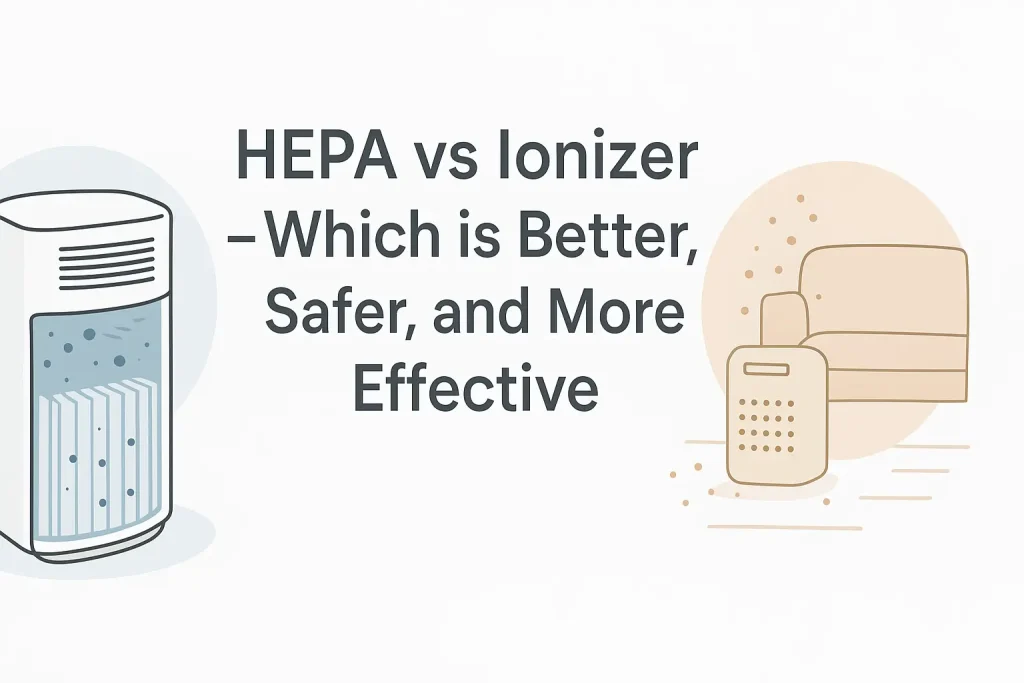
HEPA vs Ionizer: Which Is Better, Safer & More Effective

True HEPA filters consistently outperform ionizers for residential air purification because they mechanically trap 99.97 percent of 0.3-micron particles inside a sealed housing. Ionic air cleaners rely on electrostatic precipitation to charge airborne allergens and push them toward nearby surfaces. This charging process frequently generates ozone concentrations near the 0.050 ppm regulatory limit. The California

HEPA vs Ionizer: Which Is Better, Safer & More Effective Read More »

Does UV air purification actually work? Honest residential device assessment

Does UV Air Purification Actually Work? Honest Assessment

UV-C air purifiers emit ultraviolet light at 253.7 nanometers to disrupt microbial DNA. Fast portable units typically provide less than 0.5 seconds of exposure time, which falls far short of the 1 to 2 seconds required for meaningful pathogen inactivation. The California Air Resources Board legally caps consumer ozone emissions at 0.050 parts per million.

Does UV Air Purification Actually Work? Honest Assessment Read More »