A properly sized True HEPA mechanical unit running at 5 air changes per hour costs roughly $90 to $160 per year in electricity and replacement filters. Clinical research shows measurable respiratory relief for allergy households within 12 months of consistent use.
Natural ventilation and botanical methods cost less upfront but fail to reduce fine particulate matter to clinically safe levels. I have tested both approaches in residential settings, and the mechanical option consistently delivers a cleaner breathing environment during high pollution events.
Executive Summary: The Verdict at a Glance
The table below compares core performance metrics across both methods. Use these numbers to quickly identify the right approach for your specific indoor air quality goals.
| Performance Metric | Natural Methods | Mechanical Air Purifier |
| Particulate (PM2.5) Removal | 5% to 10% via dilution | 99.97% capture via True HEPA filtration |
| VOC and Gas Reduction | Slow biological uptake (negligible) | Minutes to hours via activated carbon beds |
| Allergen Control | Depends entirely on open windows | CADR-driven clearance at 5 ACH targets |
| Ozone or Byproduct Risk | Zero (when using plants or fresh air) | Zero if CARB certified (avoids ionizers) |
| 3-Year Total Cost | $200 for initial plants and soil | $450 unit purchase plus recurring filters |
Mechanical air cleaners win decisively for health protection and rapid pollution clearance. Natural methods excel at psychological comfort and baseline humidity regulation.
| Photo | Popular Air Purifiers | Price |
|---|---|---|

|
Air Purifiers for Home Large Room up to 1500ft², Tailulu H13 True HEPA Air Purifier for Pets Dust Odor Smoke, Air Purifier for Bedroom with 15dB Quiet Sleep Mode for Bedroom Office Living Room | Check Price On Amazon |
|
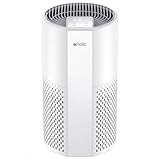
Afloia Air Purifier for Home, 4-in-1 Washable Filter for Allergies, Covers Up to 1076 ft², Quiet Operation, Auto Shut-Off & Night Light, Removes Pet Dander, Pollen, Dust, Mold, and Smoke, White,Pluto | Check Price On Amazon |

|
Nuwave OxyPure ZERO Air Purifier with Washable and Reusable Bio Guard Tech Air Filter, Large Room Up to 2002 Ft², Air Quality Monitor, 0.1 Microns, 100% Capture Irritants like Smoke, Dust, Pollen | Check Price On Amazon |

|
Air Purifiers for Home Large Room Up to 1,996 Ft², EOEBOT Air Purifier for Home Pets with Washable Filter, Quiet Sleep Mode, Air Quality Monitor, Air Purifier for Bedroom, Pet Hair, Dust, Smoke, White | Check Price On Amazon |
|
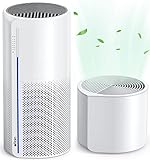
Afloia 2 IN 1 Air Purifier with Humidifier Combo, 3-Stage Filters for Home Allergies Pets Hair Smoker Odors, Evaporative Humidifier, Auto Shut Off, Quiet Air Cleaner with Seven Color Light,White | Check Price On Amazon |
Defining “Natural” vs. Mechanical Air Purification
Natural air purification encompasses passive ventilation, indoor humidity management, and botanical foliage placed around living spaces. These methods rely on diffusion, temperature gradients, and soil microbial activity to modify indoor chemistry.
Mechanical air purification utilizes fan-driven units that force room air through engineered media. This process physically traps particulate matter and chemically adsorbs gaseous pollutants before returning clean air to the breathing zone.
What “Natural Air Purification” Actually Covers
Opening windows creates cross ventilation that dilutes indoor carbon dioxide and stale cooking odours. This approach introduces outdoor oxygen but also brings in traffic exhaust, wildfire smoke, and seasonal pollen during poor outdoor air days.
Houseplants like the Spider Plant, Snake Plant, and Peace Lily perform slow gas exchange through stomata in their leaves. These organisms primarily provide visual calm and modest humidity buffering rather than clinically meaningful air cleaning.
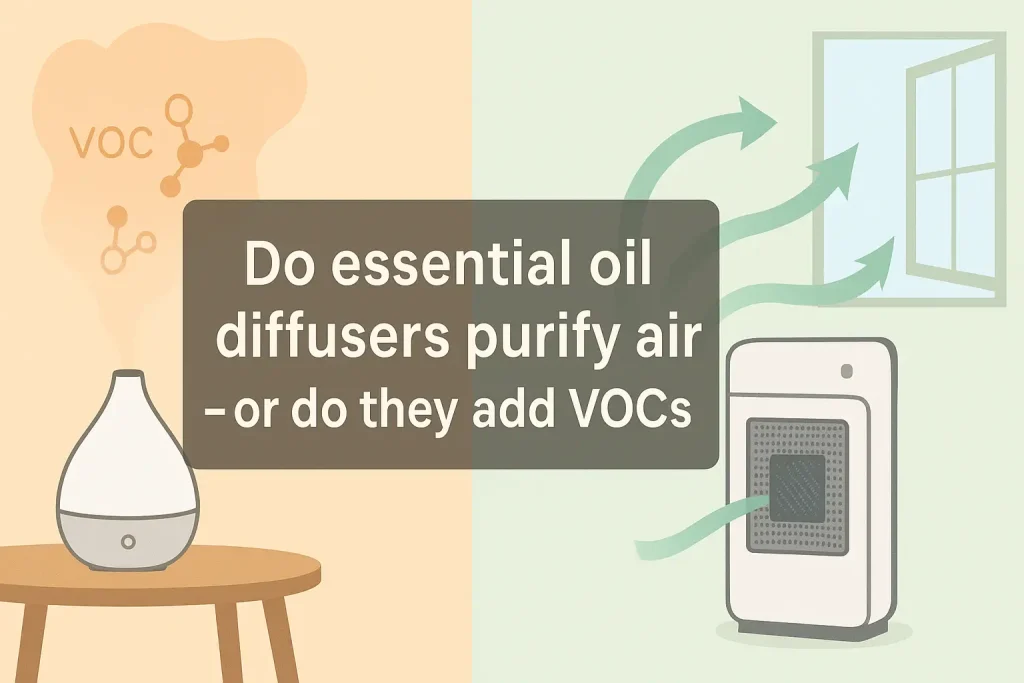
Essential oil diffusion and Himalayan salt lamps produce negligible pollutant clearance while potentially adding volatile compounds to the room. You should read our analysis on understanding how diffusers impact indoor air chemistry before relying on fragrance devices for air treatment.
How Mechanical Air Purifiers Work (HEPA & Carbon Fundamentals)
True HEPA filtration operates as a multi-layered mechanical sieve that intercepts, impales, and traps solid particles. The media captures at least 99.97 percent of airborne contaminants at 0.3 microns, which represents the most penetrating particle size.
Activated carbon filtration uses a porous surface structure to adsorb molecular gases and chemical vapours through weak chemical bonding. Effective residential VOC removal requires a dedicated carbon bed weighing at least five pounds to prevent early saturation.
The Science of Speed: Pollutant Removal Rate Comparison
Removal kinetics determine whether you notice cleaner breathing within minutes or after months of passive treatment. Speed matters significantly when wildfire smoke, mould spores, or cooking fumes rapidly elevate indoor concentrations.
PM2.5, Dust, and Dander Removal (HEPA Dominance)
Mechanical systems achieve 85 to 95 percent particulate reduction within 15 to 30 minutes when run at the correct air change rate. A unit with a smoke Clean Air Delivery Rate of 150 CFM completely clears a 300 square foot bedroom of cooking smoke and pet dander during the first half hour of operation.
Botanical foliage cannot process airborne solids because plants lack fan-driven intake architecture. Leaves simply accumulate settled dust over weeks, which eventually requires manual cleaning and releases captured debris back into the room when disturbed.
I recommend portable hepa air purifiers designed for medium rooms when rapid particulate clearance is your priority.
VOC and Gas Removal (Activated Carbon vs. Plant Physiology)
Activated carbon beds adsorb formaldehyde, benzene, and cooking odours within hours of continuous fan operation. The porous surface binds gas molecules through physical adsorption, and the filtration rate drops immediately once the carbon bed reaches saturation capacity.
Plant phytoremediation processes trace gases through root enzymes and microbial symbionts at a rate measured in micrograms per hour. A meta analysis of indoor botanical performance confirmed real world VOC clearance remains below 0.10 mg per hour per plant, which requires impractical room densities to approach mechanical filtration output.
Debunking the NASA Plant Study Myth
A widespread commercial campaign claims three or four houseplants completely sanitize an average bedroom. The original laboratory experiment used sealed 1 cubic meter acrylic chambers with forced air circulation over a single day.
Real homes exchange indoor air continuously through door gaps, exhaust fans, and building infiltration. You cannot compare static laboratory conditions to residential environments without accounting for constant outdoor air dilution.
Sealed Lab Conditions vs. Real-World Air Exchange
Naturally ventilated homes experience 0.5 to 3.0 complete air exchange cycles every hour through standard construction leaks. This constant turnover immediately dilutes the localized gas concentrations that plants successfully reduced in the 1989 controlled experiment.
A 2019 Drexel University peer review examined 30 years of botanical air cleaning data and concluded houseplants exert no meaningful impact on residential indoor air quality metrics. You need roughly 10 to 100 plants per 100 square feet to match the clearance rate of a single mechanical air cleaner running on low fan speed.
Read our full breakdown on examining real-world botanical filtration limits to separate marketing claims from independent laboratory results.
Hidden Risks: Overwatering, Mold, and Biogenic Emissions
Wet potting soil promotes microbial growth that releases mould spores and fungal volatile organic compounds into the breathing zone. Allergy sufferers often experience worsened congestion when overwatered botanical specimens sit near bedroom sleeping areas.
Overcrowded plant displays trap stagnant moisture underneath leaf canopies, creating secondary microclimates that encourage dust accumulation. You must maintain soil drainage and limit watering to prevent creating an indoor allergen reservoir that cancels out any perceived air cleaning benefits.
Insert a quick myth check tool before you finalize your indoor greenery strategy.
Myth vs Fact
Botanical Air Cleaning Claims Debunked
Separating commercial claims from independent laboratory data on indoor foliage performance.
✗ Myth
Three houseplants completely sanitize a standard 300 square foot bedroom overnight.
✓ Fact
Botanical VOC removal requires 670 plants in a 2000 square foot space to equal one medium air purifier operating on low fan speed.
✗ Myth
Plants absorb carbon dioxide at night and provide superior oxygen generation for sleeping humans.
✓ Fact
Human exhalation produces vastly more carbon dioxide overnight than plants can offset. Crassulacean Acid Metabolism plants show minor overnight oxygen shifts, but respiratory impact remains negligible in ventilated rooms.
Performance Metrics Decoded: CADR, ACH, and Real-World Sizing
Manufacturers inflate coverage area claims by reporting performance at a single air exchange cycle per hour. You must calculate your actual room volume against your target Clean Air Delivery Rate to guarantee meaningful pollutant clearance.
Understanding CADR and Why It Outpaces “Plant Count”
Clean Air Delivery Rate measures filtered airflow volume delivered per minute for smoke, dust, and pollen independently. This metric appears on the AHAM certified directory and provides the only standardized baseline for comparing mechanical filtration speed across brands.
Plants lack measurable airflow output because they rely on passive diffusion rather than forced fan circulation. A mechanical unit delivering 150 CFM smoke Clean Air Delivery Rate processes an entire bedroom volume in under 10 minutes, which botanical physiology cannot replicate within days.
Air Changes Per Hour (ACH): 2 for General, 5 for Allergy/Asthma
General household ventilation targets 2 ACH to prevent carbon dioxide buildup and manage mild cooking odours. Allergy and asthma clinical guidelines require 5 ACH to maintain fine particulate concentrations below 12 micrograms per cubic meter.
Calculate your required airflow using a simple room sizing formula. You multiply length by width by ceiling height, then multiply that volume by your target air change number, and finally divide by 60 to determine the minimum smoke Clean Air Delivery Rate.
Use the calculator below to find your exact airflow requirement based on room dimensions and health priorities.
CADR Calculator
How Much CADR Do You Actually Need?
Enter your room dimensions and use case. Formula: (length x width x ceiling height x ACH) divided by 60.
CADR equals length times width times ceiling height times ACH divided by 60. For allergy and asthma sufferers, always calculate at 5 ACH instead of the manufacturer stated 2 ACH figure.
Reference the pre-computed table below to see how airflow needs scale across standard room sizes.
CADR Reference
Smoke CADR Needed by Room Size and Air Changes Per Hour Target
All values pre-calculated at standard 8 ft ceiling height. Formula: (room area x 8 x ACH) / 60.
| Room size (8 ft ceiling) / ACH target | 2 ACH (standard) | 4 ACH (moderate) | 5 ACH (allergy) | 6 ACH (wildfire) |
|---|---|---|---|---|
| 150 sq ft (small bedroom) | 40 CFM | 80 CFM | 100 CFM | 120 CFM |
| 300 sq ft (master bedroom) | 80 CFM | 160 CFM | 200 CFM | 240 CFM |
| 500 sq ft (living room) | 133 CFM | 267 CFM | 333 CFM | 400 CFM |
| 700 sq ft (large open plan) | 187 CFM | 373 CFM | 467 CFM | 560 CFM |
| 1000 sq ft (full floor) | 267 CFM | 533 CFM | 667 CFM | 800 CFM |
Manufacturer coverage area claims use 2 ACH, which reduces effective coverage for allergy sufferers to 40% of the stated figure. Always purchase a unit that meets the 5 ACH column requirement to guarantee meaningful pollutant clearance.
Cost, Maintenance, and Long-Term Ownership Analysis
Mechanical air cleaners require recurring filter purchases that accumulate predictable annual expenses. Natural methods shift the cost toward soil amendments, pot replacements, and increased indoor watering labor.
Upfront Device Cost vs. Recurring Filter Expenses
Quality portable units range from $100 for entry level models to $400 for high capacity systems with dual filtration stages. You must budget an additional $40 to $120 annually for HEPA replacements and activated carbon cartridge swaps.
Saturated carbon media releases trapped gases back into the room when replacement intervals exceed six months. You can explore strategies for optimizing filtration in restricted spaces when upgrading HVAC systems is not permitted.
Budget for replacements by considering coway airmega replacement filters alongside your initial purchase price to avoid mid year coverage gaps.
Plant Care Costs, Replacement, and Labor
Initial foliage purchases range from $20 per small pothos to $150 for mature snake plants. You will spend additional funds on premium soil blends, drainage trays, and pest control treatments over a three year period.
Botanical maintenance requires weekly watering, leaf dusting, and seasonal rotation to prevent uneven light exposure. Many renters abandon their indoor garden within 12 months due to inconsistent care schedules and fungal growth on saturated soil surfaces.
Specialized Use Cases: When to Choose Which Method
Your health profile, housing type, and local outdoor air quality dictate which strategy delivers usable results. Match your environment to the performance tier below before making any purchase or installation decision.
Best Case for Natural Methods (Ventilation, Humidity, Greenery)
Open floor plans in low pollution climates benefit from cross ventilation that refreshes stagnant indoor oxygen levels without running mechanical fans continuously. Botanical arrangements provide measurable psychological relief and minor humidity buffering for dry winter months.
Households with minimal allergen exposure use window opening and dehumidifier regulation to maintain baseline comfort. You should prioritize source control by removing smoking materials, sealing chemical storage, and installing range hood exhaust before spending money on supplemental treatment.
Best Case for Mechanical Purifiers (Allergies, Smoke, High-Density Homes)
Urban apartments near traffic intersections experience outdoor PM2.5 infiltration that exceeds EPA safety thresholds for over 200 days annually. A True HEPA mechanical system running at 5 air changes per hour maintains clinically safe particulate concentrations during rush hour traffic spikes.
Wildfire regions and clinical asthma environments require predictable, high volume filtration that botanical methods cannot deliver. Look at true hepa air purifiers designed for pet allergies and odours when dander and cooking fumes trigger daily respiratory irritation.
The Hybrid Solution: Stacking Methods for Optimal IAQ
Combine sealed window cross ventilation during favourable outdoor air days with continuous True HEPA mechanical filtration when outdoor quality declines. Install a MERV 13 central furnace filter to protect ductwork while running portable units in bedrooms and primary living areas.
Use the step by step protocol below to integrate botanical decoration without compromising mechanical clearance speed.
Step-by-Step Guide
How to Combine Natural and Mechanical IAQ Methods
5 steps to integrate plants, ventilation, and HEPA filtration without reducing air exchange efficiency.
Install source control and exhaust ventilation
Seal chemical storage cabinets and run bathroom exhaust fans during humid activities to prevent stagnant moisture buildup near HVAC intakes.
Upgrade HVAC to MERV 13 filtration
Replace standard fiberglass furnace screens with MERV 13 media rated at 60 Pascal drop to protect ductwork from PM2.5 and mould spores.
Place CARB certified True HEPA purifiers in high occupancy zones
Run units at 5 ACH in bedrooms and living rooms, keeping intake vents at least 3 feet from furniture walls and potted soil surfaces.
Schedule cross ventilation for low AQI days
Open opposite windows when outdoor PM2.5 stays below 12 micrograms per cubic meter to dilute carbon dioxide and refresh indoor oxygen levels.
Add foliage for humidity buffering only
Limit plant placement to secondary zones and maintain soil drainage to prevent fungal volatiles from interfering with mechanical intake filters.
You can scale this approach across your entire living space by learning planning filtration across multiple rooms without overlapping airflow zones or wasting energy.
Frequently Asked Questions
Do houseplants actually clean indoor air according to peer reviewed studies?
Independent laboratory data confirms botanical VOC uptake requires 670 plants per 2000 square feet to match one mechanical air cleaner operating at low speed. The 2019 Drexel University review demonstrated statistically insignificant particulate clearance in ventilated residential environments using standard botanical densities.
Real homes experience constant air exchange that immediately dilutes gas concentrations before foliage enzymes process meaningful volumes. I recommend focusing budget toward True HEPA mechanical filtration when clinical allergen reduction is your priority.
Can I rely on open windows instead of buying an air purifier during allergy season?
Window opening introduces outdoor pollen, traffic exhaust, and wildfire PM2.5 directly into your breathing zone when local Air Quality Index values exceed 50. A mechanical purifier with a smoke Clean Air Delivery Rate of 200 CFM clears a 300 square foot room of pollen within 25 minutes at 5 air changes per hour.
Natural ventilation only works effectively during low AQI periods when outdoor particulate concentrations fall below 10 micrograms per cubic meter. Close windows immediately when regional weather reports predict high pollen counts or active smoke plumes.
How much activated carbon do I need for meaningful VOC removal?
Effective residential chemical gas treatment requires at least five pounds of virgin activated carbon per filtration stage to sustain adsorption capacity without rapid saturation. Lightweight foam pads coated with trace carbon powder reach breakthrough within three weeks when exposed to regular cooking fumes and new furniture off gassing.
Saturated carbon releases trapped formaldehyde back into the room when replacement intervals exceed recommended service windows. Monitor odour breakthrough closely and swap carbon media within six months to maintain continuous gas clearance performance.
Should I buy a HEPA type purifier or a certified True HEPA unit?
HEPA type labels lack standardized efficiency testing and typically capture only 80 to 90 percent of submicron particles. True HEPA filters meet strict EN 1822 testing protocols that guarantee 99.97 percent capture at the 0.3 micron most penetrating particle size threshold.
Allergy and asthma patients notice immediate symptom reduction when upgrading from marketing grade media to certified True HEPA filtration. Always verify the unit displays AHAM certification and specifies smoke Clean Air Delivery Rate ratings before trusting manufacturer coverage claims.
Do ionizers or ozone generators clean air faster than mechanical filters?
Ionic devices charge airborne particles to settle them on surfaces, which temporarily removes visibility without extracting pollutants from the living environment. The EPA explicitly warns against ozone generators because sustained exposure above 0.050 ppm irritates lung tissue and worsens asthma symptoms.
California Air Resources Board testing confirms many uncertified ionizers emit ozone concentrations nearing clinical danger thresholds during continuous operation. Stick with mechanical filtration units carrying CARB certification to guarantee safe, zero ozone clearance during indoor pollutant events.
How often should I replace mechanical purifier filters to maintain rated performance?
HEPA media requires replacement every 12 to 18 months under normal household conditions, while heavy carbon beds need swapping every 3 to 6 months when VOC sources remain active. Filter loading reduces airflow volume and drops smoke Clean Air Delivery Rate output by up to 30 percent when maintenance deadlines pass.
Monitor unit fan speed increases and rising pressure drop indicators to detect media saturation before clearance efficiency collapses. Keep replacement filters in stock to avoid running units with fully loaded media during seasonal allergy peaks.
Is it cheaper to run fans and open windows instead of using an air purifier?
Passive ventilation costs zero electricity but introduces outdoor pollution that forces your HVAC system to work harder and triggers allergy medication expenses. A True HEPA unit running continuously costs roughly 4 to 8 cents per hour in electricity while maintaining baseline particulate concentrations below clinical triggers.
Total ownership comparison shows mechanical filtration becomes cost effective within three months when you factor reduced antihistamine usage and prevented asthma medication refills. Calculate exact operating expenses by multiplying your unit wattage by local electricity rates over a 24 hour run schedule.
Conclusion
Mechanical True HEPA air purifiers deliver rapid, measurable particulate clearance at 5 air changes per hour while botanical methods require impractical room densities to approach similar clearance rates. I recommend purchasing a CARB certified unit sized to your exact bedroom or living space volume rather than relying on passive ventilation or decorative foliage for respiratory protection.
Allergy households should prioritize 5 ACH mechanical clearance with activated carbon beds weighing at least five pounds to address gaseous pollutants alongside particulate allergens. Wildfire region residents must install high smoke Clean Air Delivery Rate systems and switch to maximum fan speed immediately when local AQI crosses the unhealthy threshold. General households can combine strategic window ventilation with baseline True HEPA filtration to maintain year round indoor comfort without overspending on unnecessary equipment.