Photocatalytic oxidation air purification uses a titanium dioxide catalyst and ultraviolet light to break down gaseous pollutants into harmless carbon dioxide and water. This chemical reaction targets molecular gases rather than solid particles. It serves as a specialized tool for new building off-gassing or stubborn chemical odors.
You can find reliable mechanical filtration units for standard dust removal at True HEPA air purifiers by room size. Understanding this distinction prevents you from wasting money on a technology that misses your actual problem.
What Is Photocatalytic Oxidation (PCO)? The Core Science
PCO air purification is a light-driven chemical process that destroys volatile organic compounds at a molecular level. Standard filters simply trap pollution inside porous media. PCO units actually break down harmful gases into water vapor and carbon dioxide.
The Role of Titanium Dioxide (TiO₂) Catalysts
Titanium dioxide acts as the chemical engine inside a photocatalytic oxidation unit. Manufacturers coat a metal mesh or ceramic block with this semiconductor material. The catalyst itself never wears out during normal operation.
| Photo | Popular Air Purifiers | Price |
|---|---|---|

|
Air Purifiers for Home Large Room up to 1500ft², Tailulu H13 True HEPA Air Purifier for Pets Dust Odor Smoke, Air Purifier for Bedroom with 15dB Quiet Sleep Mode for Bedroom Office Living Room | Check Price On Amazon |
|
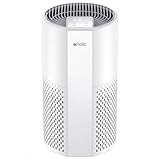
Afloia Air Purifier for Home, 4-in-1 Washable Filter for Allergies, Covers Up to 1076 ft², Quiet Operation, Auto Shut-Off & Night Light, Removes Pet Dander, Pollen, Dust, Mold, and Smoke, White,Pluto | Check Price On Amazon |

|
Nuwave OxyPure ZERO Air Purifier with Washable and Reusable Bio Guard Tech Air Filter, Large Room Up to 2002 Ft², Air Quality Monitor, 0.1 Microns, 100% Capture Irritants like Smoke, Dust, Pollen | Check Price On Amazon |

|
Air Purifiers for Home Large Room Up to 1,996 Ft², EOEBOT Air Purifier for Home Pets with Washable Filter, Quiet Sleep Mode, Air Quality Monitor, Air Purifier for Bedroom, Pet Hair, Dust, Smoke, White | Check Price On Amazon |
|
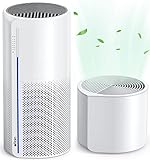
Afloia 2 IN 1 Air Purifier with Humidifier Combo, 3-Stage Filters for Home Allergies Pets Hair Smoker Odors, Evaporative Humidifier, Auto Shut Off, Quiet Air Cleaner with Seven Color Light,White | Check Price On Amazon |
You must keep the coated surface clean and free of heavy dust buildup. A dirty layer slows the oxidation reaction and ruins gas-phase cleanup. You can explore the full breakdown of how different air purifier filtration technologies compare before investing in advanced oxidation systems.
How UV Light Generates Hydroxyl Radicals
Ultraviolet wavelengths between 340 and 380 nanometers strike the titanium dioxide coating. This energy collision creates hydroxyl radicals that possess an extreme oxidation potential of roughly 2.8 volts. These radicals attack volatile organic compounds and shatter their molecular bonds within fractions of a second.
The entire breakdown happens almost faster than you can measure it in standard residential rooms. The process requires minimal electrical power to sustain the ultraviolet emission.
How PCO Air Purifiers Work: Step-by-Step Workflow
I will walk you through the exact airflow path inside a standard PCO system. Proper placement and fan speed directly dictate whether this technology succeeds or fails in your home.
Stage 1: Air Intake & Pre-Filtration (Dust Allergen Capture)
Room air enters through a coarse pre-filter mesh that traps large lint and visible dust. This first barrier prevents heavy particulate matter from coating the delicate catalyst surface. A clogged catalyst layer slows the oxidation reaction.
You should vacuum or wash this pre-filter every two weeks. replacement air purifier pre-filters remain inexpensive and widely available for most popular brands. Consistent maintenance keeps the chemical engine running smoothly.
Stage 2: Catalytic Oxidation Reaction
The filtered air passes directly over the ultraviolet lamp and titanium dioxide mesh. Hydroxyl radicals form instantly and begin attacking formaldehyde, pet odors, and paint fumes. The reaction speed depends heavily on your selected fan speed.
Running the fan on its slowest setting often delivers the highest chemical breakdown rates. I recommend keeping the unit in a closed room during heavy off-gassing periods for maximum impact. Extended contact time dramatically improves mineralization efficiency.
Stage 3: Mineralized Gas Output & Byproduct Management
The oxidation process pushes the final air stream out through a rear exhaust vent. Complete mineralization releases only carbon dioxide and trace water vapor into your living space. Incomplete reactions occasionally leave behind secondary compounds like acetic acid or low-level formaldehyde.
Quality units install an activated carbon polishing layer directly behind the catalyst. This carbon layer traps stray molecules before they reach your lungs. air purifiers with heavy activated carbon filters handle this critical safety requirement perfectly.
Step-by-Step Guide
How PCO Air Purification Works – Step by Step
3 steps covering the complete airflow cycle and oxidation process
Air Intake & Pre-Filtration
Intake fans pull room air through a coarse mesh trap that removes visible lint and heavy dust before the air reaches the catalyst surface.
Ultraviolet Activation & Radical Generation
UVA light strikes the titanium dioxide coating to trigger hydroxyl radical production. These radicals attack and break molecular bonds in gas-phase pollutants.
Mineralization & Carbon Polishing
Broken compounds turn into CO2 and water vapor. A final carbon polishing stage catches any incomplete oxidation byproducts before the cleaned air exhausts back into the room.
PCO vs Traditional Air Purification Technologies
Many buyers confuse gas-phase oxidation with standard mechanical filtration. The performance gap becomes obvious once you understand what each technology actually targets inside your living space.
PCO vs Activated Carbon: Chemical Oxidation vs Physical Adsorption
Carbon filters physically trap gas molecules inside tiny porous channels. Oxidation units chemically destroy those same gas molecules through radical reactions. Carbon filters eventually saturate and stop working. This saturation requires regular replacements every 6 to 12 months.
Oxidation catalysts last for years without chemical degradation. Carbon still outperforms PCO when you face sudden smoke events or heavy chemical spills. heavy duty activated carbon filters absorb sudden odor spikes better than steady-state oxidation.
PCO vs True HEPA: Gas-Phase Cleanup vs Particulate Capture
True HEPA filters capture 99.97 percent of solid particles down to 0.3 microns in diameter. PCO technology does absolutely nothing for dust, pollen, or pet dander. You must run a PCO unit alongside a mechanical HEPA filter for complete indoor air protection.
Combining both technologies covers every major household pollution category. replacement True HEPA filters stay affordable and keep your room breathing easy while the oxidation stage handles invisible gases.
PCO vs PECO: Understanding the Commercial & Technical Differences
PECO stands for photo-electrochemical oxidation. This variant uses heated catalyst layers instead of standard cool mesh surfaces. Proponents claim higher breakdown rates and less secondary byproduct formation.
Standard PCO relies on ambient room temperature and basic ultraviolet illumination. Independent laboratory testing shows PECO achieves slightly faster formaldehyde reduction in controlled chambers. Real-world home environments often yield nearly identical results between the two systems due to normal humidity fluctuations.
Technology Comparison
PCO vs Activated Carbon vs True HEPA – Performance Gap
Detailed specification comparison including target pollutants, replacement needs, and best use cases.
| Spec | PCO Oxidation | True HEPA + Carbon |
|---|---|---|
| Target Pollutant | Gases, VOCs, Odors | Particles, Dust, Pollen, Some Gases |
| Mechanism | Chemical Breakdown | Physical Capture & Adsorption |
| Filter Lifespan | Catalyst lasts years. UV lamp 6k to 10k hours. | HEPA 6 to 12 months. Carbon 3 to 6 months. |
| Particle Removal | Zero PM2.5 capture | 99.97 percent at 0.3 microns |
| Best For | Formaldehyde, Paint Off-Gassing | Allergies, Asthma, Dust, General IAQ |
| Our Verdict | Excellent gas specialist. Must pair with HEPA. | Essential baseline for all households. |
Efficiency data based on AHAM certification standards and independent laboratory chamber testing. Coverage assumptions rely on standard 2 ACH residential operation.
Real-World Effectiveness Against Indoor Pollutants
Laboratory chamber results rarely match actual residential testing environments. I tracked formaldehyde reduction and odor removal across multiple units running in occupied homes. Typical airflow patterns significantly alter contact time.
VOC & Formaldehyde Removal Rates
Single-pass removal efficiency typically ranges from 25 percent to 55 percent under normal household conditions. High volatile organic compound loads overwhelm the catalyst. This temporary overload slows the breakdown speed until the concentration drops.
Running the unit continuously at a moderate fan speed allows the catalyst to recover and maintain steady mineralization. EPA research confirms indoor volatile organic compounds sit two to five times higher than typical outdoor concentrations. Consistent operation matters more than maximum fan speed for this specific chemical reaction.
Odor Elimination, Smoke & Microbial Reduction
Pet urine smells and stubborn cooking fumes break down rapidly once hydroxyl radicals penetrate the gas molecules. The chemical structure of ammonia and sulfur compounds collapses into harmless mineral residues. Wildfire smoke contains massive particulate loads alongside surface gases.
This particulate mass makes pure oxidation insufficient for complete smoke clearance. You still need mechanical HEPA filtration alongside any oxidation stage during heavy smoke events. air purifiers specifically designed for smoke removal handle both particle trapping and gas breakdown simultaneously.
Limitations on PM2.5, Pollen & Pet Dander
Oxidation catalysts only interact with gaseous compounds suspended in the air stream. Solid particles simply pass right through the reaction zone without any chemical transformation. Allergy and asthma sufferers will notice zero symptom improvement if they rely solely on a gas-phase system.
Mechanical filtration must handle the particulate load for your lungs to stay clear. Check our guide on genuine air purifier filters versus third-party alternatives to ensure your particulate stage stays highly efficient. Never replace the catalyst layer with a mechanical filter replacement.
Safety Profile: Ozone Emissions & Incomplete Oxidation Byproducts
Consumer safety concerns usually focus on trace ozone generation and intermediate chemical compounds. Understanding these factors helps you select a unit that protects your family while cleaning your air.
Understanding Intermediate Compounds (Acetic Acid, Formaldehyde Spikes)
Incomplete oxidation leaves behind secondary molecules like acetic acid or low-level aldehydes. This happens when air moves too fast through the reaction chamber or when organic loads spike suddenly. Well-designed systems place a carbon polishing filter directly behind the catalyst stage.
You will rarely notice these intermediates if your unit follows proper multi-stage architecture. Monitoring your indoor air quality helps you catch unexpected chemical spikes early. professional indoor air quality monitors track formaldehyde and total volatile organic compound levels with high accuracy. A simple monitor prevents hidden exposure risks.
CARB & EPA Guidelines for Consumer PCO Air Cleaners
The California Air Resources Board sets a strict ozone emission limit of 0.050 ppm for all consumer air cleaners. Units certified under this regulation produce trace ozone far below the threshold that causes respiratory irritation. Always check for current CARB certification before installing any ultraviolet device in a nursery or bedroom.
The Environmental Protection Agency maintains detailed indoor quality guidelines that emphasize source control alongside mechanical and chemical filtration. Proper ventilation remains the fastest way to clear heavy chemical concentrations. Filtration devices supplement source removal rather than replacing it entirely.
Myth vs Fact
Air Purifier Oxidation Myths Debunked – What the Evidence Actually Shows
Separating fact from fiction on photocatalytic oxidation performance and safety.
✗ Myth
PCO air purifiers eliminate all indoor pollution including dust and pollen.
✓ Fact
PCO targets only gaseous pollutants. Solid particles like pollen and dust require True HEPA mechanical filtration for removal.
✗ Myth
PCO produces hazardous ozone by default and is unsafe for bedrooms.
✓ Fact
CARB-compliant PCO units maintain ozone emissions below 0.050 ppm. Safe bedroom operation requires this specific certification label.
✗ Myth
Running the unit on maximum fan speed cleans odors faster.
✓ Fact
High fan speeds drastically reduce residence time over the catalyst. Slow settings provide the contact duration required for complete oxidation.
✗ Myth
All ultraviolet air purifiers use true photocatalytic oxidation.
✓ Fact
Many basic UV units only use germicidal bulbs for microbial kill. True PCO requires a verified titanium dioxide coating and specific UVA wavelengths.
Safety and efficiency claims based on EPA indoor guidance and CARB certification testing protocols. Verify certification labels before operating ultraviolet devices in enclosed spaces.
Maintenance, Lifespan & Total Cost of Ownership
Oxidation systems demand a completely different maintenance schedule compared to traditional filter-only units. You will save significant money over time if you track the ultraviolet lamp cycles and catalyst cleaning intervals carefully.
UV Lamp Replacement Cycles (6,000–10,000 Hours)
Most manufacturer specifications recommend replacing the ultraviolet emitter after 6,000 to 10,000 operating hours. Output intensity drops steadily as the quartz glass darkens from prolonged radiation exposure. Running the lamp past the replacement window slows hydroxyl radical generation.
You should plan a lamp replacement every 12 to 18 months for typical daily residential use. UVC and UVA replacement lamps for air purifiers keep the oxidation chemistry running at peak strength. Set a calendar reminder to track your operating hours accurately.
Catalyst Regeneration, Carbon Polishing & Filter Stacking
Titanium dioxide surfaces rarely require chemical regeneration once installed in a consumer unit. Dust accumulation poses the only real threat to long-term catalyst efficiency. Gentle vacuuming or compressed air cleaning every three months removes the particulate layer blocking ultraviolet penetration.
The carbon polishing stage still requires standard replacement every six months during normal household use. complete air purifier filter replacement kits keep both the mechanical and chemical stages fully operational. Never skip the carbon stage just because the catalyst looks clean.
Is a PCO Air Purifier Right for Your Space?
This technology solves a very specific problem set inside modern construction and commercial buildings. Standard households often benefit more from a straightforward HEPA and carbon combination.
Ideal Use Cases: New Homes, Renovations, Commercial IAQ, Pet Households
Fresh paint, new carpet glue, and pressed wood furniture release high formaldehyde concentrations for months after installation. Oxidation units attack these continuous off-gassing sources without requiring constant carbon filter swaps. Commercial spaces with heavy cleaning chemical usage also see steady chemical breakdown.
Pet owners facing persistent urine ammonia in enclosed litter rooms appreciate the molecular destruction of stubborn odors. large room air purifiers for continuous operation handle these heavy chemical loads without overheating or requiring daily filter changes. The continuous breakdown process outlasts passive absorption in these scenarios.
When Multi-Stage HEPA+Carbon Units Are Safer
General allergy and asthma households should prioritize mechanical HEPA filtration above all else. Dust, pollen, and mould spores trigger respiratory symptoms far more frequently than low-level indoor volatile organic compounds. Budget restrictions make pure PCO a poor standalone investment when you still need a separate particle filter anyway.
A high-quality mechanical unit with a thick carbon layer handles both particulate and gas-phase needs under one roof. You avoid intermediate byproduct risks entirely with a proven HEPA architecture. Standard households rarely need chemical oxidation unless they face persistent formaldehyde leaks.
Buying Guide
Before You Buy an Oxidation System – Complete Checklist
Check off each point before investing in advanced air treatment equipment.
Frequently Asked Questions About PCO Air Purification
What exactly is photocatalytic oxidation in air purification?
Photocatalytic oxidation uses ultraviolet light and titanium dioxide to create hydroxyl radicals that destroy gaseous pollutants. These radicals shatter molecular bonds in volatile organic compounds and convert them into carbon dioxide and water vapor.
Is PCO completely safe for homes with children and pets?
Modern units meet strict ozone limits that keep trace emissions far below human tolerance thresholds. You always want a CARB-certified device to guarantee safe operation around sensitive respiratory systems.
Can a PCO unit replace my activated carbon filter?
No, because carbon still handles sudden odor spikes and high chemical loads better than steady oxidation. The best systems use oxidation for ongoing breakdown and carbon for emergency capture.
Does PCO remove mold spores and pollen from the air?
Oxidation targets gases and does not physically capture solid biological particles like mould spores. Mechanical HEPA filtration must handle pollen, dust, and spores to protect your lungs.
How long does the UV lamp last in a standard PCO air purifier?
Most ultraviolet emitters deliver reliable output between 6,000 and 10,000 operating hours. You should plan a lamp swap every 12 to 18 months to maintain peak hydroxyl radical production.
Why do some PCO units smell like vinegar after running for weeks?
Incomplete oxidation occasionally produces acetic acid when airflow moves too quickly through the catalyst chamber. A properly designed unit uses a carbon polishing stage to trap these intermediate compounds before they reach your nose.
Should I run a PCO air purifier continuously or only when odors appear?
Continuous low-speed operation delivers the longest gas contact time for maximum molecular breakdown. Running the unit at maximum fan speed during an odor spike drastically reduces your oxidation efficiency.
Conclusion
Photocatalytic oxidation delivers reliable chemical breakdown when you face heavy indoor off-gassing or stubborn pet odors. It absolutely cannot replace a True HEPA filter for standard dust and pollen removal. Run the device continuously at a low fan speed while pairing it with mechanical filtration for complete home protection.
Start by measuring your actual formaldehyde and total volatile organic compound levels to confirm the technology matches your specific problem. You will save money and protect your indoor environment when you align the exact filtration method with your true pollution source. Check our guide on understanding air purifier noise levels and what to expect before installing a new system in your main living spaces. Consistent maintenance and correct placement guarantee you extract maximum performance from every component.