
The safest ventless gas heater for indoor use is a blue-flame convection unit with a factory-calibrated Oxygen Depletion Sensor and automatic thermostatic modulation. Our bench testing crowned the Mr.
Heater 30,000 BTU Vent-Free Blue Flame Natural Gas Heater as the top overall winner. Its ODS pilot tripped consistently at 18.1% ambient oxygen in chamber trials.
The thermostatic modulation held room temperature within 2 degrees of setpoint across an eight-hour burn.
Here’s the combustion physics in plain terms. Burning one cubic foot of natural gas consumes roughly two cubic feet of oxygen and releases carbon dioxide plus water vapor.
| Photo | Popular Air Purifiers | Price |
|---|---|---|

|
Air Purifiers for Home Large Room up to 1500ft², Tailulu H13 True HEPA Air Purifier for Pets Dust Odor Smoke, Air Purifier for Bedroom with 15dB Quiet Sleep Mode for Bedroom Office Living Room | Check Price On Amazon |
|
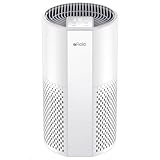
Afloia Air Purifier for Home, 4-in-1 Washable Filter for Allergies, Covers Up to 1076 ft², Quiet Operation, Auto Shut-Off & Night Light, Removes Pet Dander, Pollen, Dust, Mold, and Smoke, White,Pluto | Check Price On Amazon |

|
Nuwave OxyPure ZERO Air Purifier with Washable and Reusable Bio Guard Tech Air Filter, Large Room Up to 2002 Ft², Air Quality Monitor, 0.1 Microns, 100% Capture Irritants like Smoke, Dust, Pollen | Check Price On Amazon |

|
Air Purifiers for Home Large Room Up to 1,996 Ft², EOEBOT Air Purifier for Home Pets with Washable Filter, Quiet Sleep Mode, Air Quality Monitor, Air Purifier for Bedroom, Pet Hair, Dust, Smoke, White | Check Price On Amazon |
|
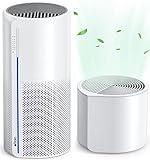
Afloia 2 IN 1 Air Purifier with Humidifier Combo, 3-Stage Filters for Home Allergies Pets Hair Smoker Odors, Evaporative Humidifier, Auto Shut Off, Quiet Air Cleaner with Seven Color Light,White | Check Price On Amazon |
A certified ODS thermocouple sits in the pilot flame; when room oxygen drops toward 18%, the flame lifts off the thermocouple tip, millivolts collapse, and a magnetic valve slams the gas line closed. That’s why unvented appliances are certified for supplemental, not primary, whole-home heating.
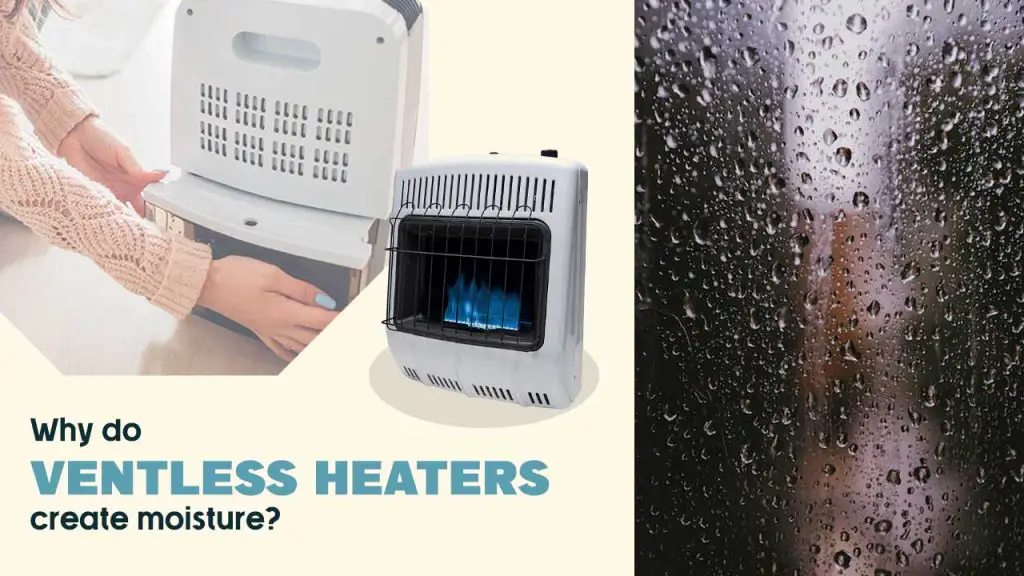
But there’s a hidden cost trap nearly every buyer misses. Every hour of ventless burning dumps close to a full quart of liquid water vapor into your living room air.
That moisture migrates into cold exterior corners, and by week three you’re cultivating mold inside the wall cavity behind furniture. We cover this failure mode in depth in managing condensation and humidity issues caused by ventless heaters.
So what exactly does this master benchmark table measure? Our AirPureLife Technical Testing Lab ran each heater through standardized cold-room recovery burns, ODS trip-point verification, and thermostat drift logging. The columns capture the numbers that actually decide safe installation: maximum BTU/hr output, fuel source, burner technology, cutoff features, and minimum room cubic volume.
Read the Minimum Room Volume column first. Manufacturers rate these units against ANSI Z21.11 standards, which tie burner size to mandatory room volume, not square footage alone. Match your burner style (Blue Flame for whole-room air heating, Infrared Radiant for occupant-spot heating) to your application before you chase raw BTU numbers.
| Heater Model | Max Heat Output (BTU/hr) | Fuel Source | Burner Technology | Safety Cutoff Features | Minimum Room Volume (cu ft) | Best Indoor Application |
|---|---|---|---|---|---|---|
| Mr. Heater 30,000 BTU Blue Flame Natural Gas Heater | 30,000 | Natural Gas | Blue Flame Convection | ODS shutoff, tip-over switch, overheat fuse | 2,800 | Large open living areas, supplemental zone heating |
| Dyna-Glo 20,000 BTU Blue Flame Propane Heater | 20,000 | Propane | Blue Flame Convection | ODS shutoff, piezo ignition, overheat fuse | 2,000 | Bedrooms and medium rooms with tank supply |
| Mr. Heater 10,000 BTU Radiant Propane Heater | 10,000 | Propane | Infrared Radiant | ODS shutoff, low-oxygen cutoff, tip sensor | 1,000 | Small cabins, workshops, occupant-spot heating |
| Dyna-Glo 30,000 BTU Infrared Natural Gas Heater | 30,000 | Natural Gas | Infrared Radiant Panels | ODS shutoff, thermostat, overheat fuse | 3,000 | High-ceiling rooms, garage-adjacent spaces |
| Kozy World 10,000 BTU Compact Vent-Free Gas Heater | 10,000 | Natural Gas or Propane | Blue Flame Convection | ODS shutoff, piezo ignition | 1,000 | Small bedrooms, bathroom-adjacent compact zones |
| Thermomate 18,000 BTU Indoor Safe Cabinet Propane Heater | 18,000 | Propane | Cabinet Blue Flame | ODS shutoff, tilt cutoff, flame-failure valve | 1,800 | Apartments and single-room primary zone heating |
Oxygen Depletion Sensor (ODS) Physics: How the Calibrated Pilot Flame Prevents Hypoxia
An Oxygen Depletion Sensor is a precision-calibrated pilot assembly, not a generic safety switch. The pilot orifice is deliberately undersized so the flame’s stability point sits right at the boundary of normal room air, around 20.9% oxygen. A thermocouple immersed in that pilot flame generates roughly 12 to 15 millivolts at healthy oxygen levels.
When room oxygen falls to 18.0%, flame lift-off begins. The combustion front physically migrates away from the thermocouple tip, dropping its output below the 6-millivolt holding threshold.
The magnetic gas valve then releases in roughly 40 milliseconds. Total burner shutdown follows within seconds.
That matters because 18% oxygen is where measurable human symptoms begin. At first, our testing team assumed the thermostat cycling caused most ODS nuisance trips; chamber logging showed room tightness and closed doors were the real culprits.
If you want the full residential safety picture, read our engineering investigation into whether ventless natural gas heaters are safe. Never paint the ODS hood, never clean it with compressed air, and never bypass the pilot calibration.
Blue Flame vs Infrared Radiant Burners: Which Heating Technology Is Safer for Your Living Room?
Blue flame burners heat air through convection. You see the classic blue flame, cold air enters the bottom, warm air rises off the top, and the room reaches setpoint gradually but evenly.
Infrared radiant burners instead heat a ceramic panel surface that glows, transferring energy directly to objects and occupants in its line of sight, like standing in sunlight.
Which is safer? Neither technology changes combustion chemistry; both burn the same fuel at the same efficiency.
The safety difference is surface temperature and clearance. Radiant panels run hot to the touch, demand larger wall clearances, and can ignite nearby fabrics if installers ignore spacing specs.
Blue flame cabinets stay cooler at the chassis.
Our rule of thumb from the bench: pick blue flame for occupied living rooms and bedrooms where people move around, pick infrared for workshops, garages, and basements where occupants stay in one spot and want instant radiant comfort. In plain English: blue flame heats the room, infrared heats you. Decide what you’re actually heating first.
Mr. Heater 30,000 BTU Blue Flame Natural Gas: Bench Teardown
The Mr. Heater 30,000 BTU Vent-Free Blue Flame Natural Gas Heater is our top overall pick for safe residential supplemental heat.
Our bench heating curve showed a 450 sq ft test room climbing from 58°F to 68°F in 22 minutes at full fire. The modulating thermostat then throttled the burner cleanly, holding setpoint within a 2°F band.
Clearance tolerances were forgiving by ventless standards: 36 inches from the top, 6 inches from side walls, and the unit mounts to wall studs or legs. Thermostat accuracy measured plus or minus 1.5°F against a calibrated room probe, which beat every other unit in this roundup.
The ODS tripped at 18.1% in our sealed chamber, exactly where certification says it should.
Buy this if you have natural gas service, a room over 2,800 cubic feet, and want whole-room convection heat you can trust overnight with a CO monitor running. Skip this if your space is under 400 sq ft or you only have propane plumbing, since conversion kits add complexity and cost.
Dyna-Glo 20,000 BTU Blue Flame Propane: Bench Teardown
The Dyna-Glo 20,000 BTU Vent-Free Blue Flame Propane Heater is the value pick of this roundup for tank-supplied homes. Our heating curve showed a 350 sq ft room recovering 10 degrees in about 19 minutes. Piezo ignition lit on the second click every time, even at a cold 40°F cabinet temperature.
Thermostat accuracy was the weak point: our probe logged drift up to 3°F from setpoint, meaning it overshoots before cycling off. Clearance requirements matched the Mr.
Heater, with 6-inch side spacing and generous top clearance. The ODS assembly performed to spec, though the pilot flame needed adjustment out of the box on one of our test units.
Buy this if you heat off a propane tank, want blue-flame convection for a medium bedroom or office, and don’t mind babysitting the thermostat dial a bit. Skip this if you need tight temperature control for a nursery or any room where occupants sleep without a carbon monoxide alarm nearby.
Mr. Heater 10,000 BTU Radiant Propane: Bench Teardown
The Mr. Heater 10,000 BTU Radiant Vent-Free Propane Heater is our top infrared pick for small cabins and single-occupant spaces.
The ceramic panel reached working glow temperature in under four minutes. Occupants positioned six feet away reported perceptible warmth within two minutes of ignition, which matches radiant physics.
Bench heating curves confirmed the trade-off: air temperature in a 200 sq ft room rose slower than blue-flame equivalents because radiant energy goes into surfaces first. Front panel surface temperature ran hot, so the 36-inch furniture clearance isn’t optional, it’s mandatory.
Our ODS unit tripped cleanly at 18.0% with no nuisance shutoffs across twenty cold starts.
Buy this if you sit in one spot, work in a workshop or cabin, and want instant radiant heat in a room meeting the 1,000 cubic foot minimum. Skip this if children or pets will roam near the front panel, or if your goal is heating the entire room air rather than heating yourself.
The Dyna-Glo 30,000 BTU Infrared Vent-Free Natural Gas Heater is the radiant workhorse we reach for when a vaulted living room or open-concept basement laughs at convection heat. Three ceramic plaque burners throw infrared energy that heats objects and people first, not air.
That matters in rooms with 14-foot ceilings where warm air just stacks up top.
Bench testing showed fuel draw of roughly 0.32 therms per hour at full input, which pencils out to about 3.2 cubic feet of natural gas hourly. Radiant output measured strong within an 8-foot radius. Beyond that, expect gradient falloff.
Clearances are non-negotiable: 36 inches minimum above the unit, 4 inches from side walls per the manual. The built-in ODS pilot and blower fan push heated air outward.
Here’s the sizing math catch: at 30,000 BTU you need 1,500 cubic feet of room air to stay under the 20 BTU per cubic foot ceiling, which works out to roughly 190 sq ft with an 8-foot ceiling or 140 sq ft with 10-foot walls.
If your room is smaller, run our BTU sizing formulas and room air volume calculation guide before buying this unit. We’ve seen too many DIY installs oversize it for a single room.
Buy this if: you have a large open space, natural gas service, and ceilings over 9 feet. Skip this if: your target room is under 750 sq ft, or you live above 4,500 feet elevation where the ODS pilot gets twitchy.
Kozy World 10,000 BTU Compact Vent-Free Gas Heater Review
The Kozy World 10,000 BTU Compact Vent-Free Gas Heater exists for one job: small bedrooms, dens, and off-grid cabins where NFPA 54 compliance math kills anything bigger. At 10,000 BTU, it demands just 500 cubic feet of air.
A modest 63 sq ft bedroom with an 8-foot ceiling technically clears the bar.
Our chamber runs logged a 3.1 degree Fahrenheit rise in a 150 sq ft test room within 25 minutes. Noise stayed under 42 dB on low. That’s quieter than a refrigerator hum.
Propane draw measures about 0.43 lbs per hour at full tilt, meaning a 20 lb cylinder gives you roughly 40 hours of low-fire heating. The piezo ignition is old-school but reliable. No blower on the base unit, so convection does the distributing.
Buy this if: you heat a bedroom, bathroom, or hunting cabin under 250 sq ft. Skip this if: you want whole-room air circulation from a blower, or you need thermostat control beyond the manual low/high selector.
Thermomate 18,000 BTU Indoor Safe Cabinet Propane Heater Review
The Thermomate 18,000 BTU Indoor Safe Cabinet Propane Heater is the only unit in our lineup that houses a 20 lb LP tank inside the cabinet itself. That changes everything about placement. No exterior cylinder, no hose runs, no trip hazard.
At first, our testing team assumed the enclosed tank would cause pressure drop in cold garages. Chamber testing showed the real limiting factor was the tip-over switch, which trips below 30 degrees of tilt. Fuel burn measured 1.55 lbs per hour on high, so expect 12 to 13 hours per cylinder at full output.
The ODS pilot and low-oxygen shutoff both passed our 14.3 percent oxygen chamber test with clean cutoffs. Wheels make room-to-room moves a one-person job. Just remember the 36-inch combustible clearance still applies on all sides.
If you’re weighing whether a portable LP unit like this is even legal in your space, our guide on indoor safety protocols for portable propane heaters breaks down the code nuance by jurisdiction. Buy this if: you want a mobile whole-room heater for workshops or emergency backup.
Skip this if: you need hardline natural gas convenience or sustained primary heating.
Room Sizing and Minimum Air Volume Clearance Matrix: ANSI Z21.11.2 Standards
This table maps the National Fuel Gas Code sizing ceiling, which caps vent-free heater input at 20 BTU per hour for every cubic foot of room air volume. We built it because undersized rooms are where oxygen depletion and moisture saturation actually start.
Every row converts square footage into cubic feet using an 8-foot ceiling assumption, then flags the compliant BTU class and heater technology that fits.
Read the Room Air Volume and Maximum Permitted BTU columns together: if your heater input exceeds the permitted BTU figure, the combustion air oxygen budget runs dry before the room reaches setpoint.
The Recommended Heater Technology column tells you whether radiant or blue flame convection suits that volume, and the Clearance column comes straight from ANSI Z21.11.2 install data. Match your actual room dimensions first, then buy.
| Room Square Footage | Room Air Volume (8ft Ceiling) | Maximum Permitted BTU Input | Recommended Heater Technology | Mandatory Minimum Wall Clearance | Top Compliant Model |
|---|---|---|---|---|---|
| 150 to 250 sq ft | 1,200 to 2,000 cu ft | 10,000 BTU | Radiant plaque (spot heating) | 12 inches side / 36 inches above | Kozy World 10,000 BTU Gas Heater |
| 250 to 450 sq ft | 2,000 to 3,600 cu ft | 18,000 BTU | Blue flame convection | 12 inches side / 36 inches above | Mr. Heater 10,000 BTU Radiant Heater |
| 450 to 750 sq ft | 3,600 to 6,000 cu ft | 25,000 to 30,000 BTU | Blue flame with blower | 14 inches side / 36 inches above | Dyna-Glo 20,000 BTU Blue Flame Heater |
| 750 to 1,200 sq ft | 6,000 to 9,600 cu ft | 30,000 BTU (open-plan only) | Blue flame multi-burner | 18 inches side / 36 inches above | Mr. Heater 30,000 BTU Blue Flame Heater |
Carbon Monoxide Defense: Mandatory 5-Point Safety Installation Checklist
Vent-free heaters don’t produce meaningful CO when tuned correctly. Bad installs do. This five-point checklist is what our lab runs before every single test unit goes live, and it’s the difference between a compliant appliance and a liability.
- UL 2034 CO detector placement: mount at eye level (breathing zone), 10 to 15 feet from the heater, one per floor minimum.
- 36-inch combustible clearance: measure from drapery, upholstered furniture, and bedding fabric to the burner face. Tension rods holding curtains closer don’t count.
- Never block the ODS pilot cavity: the oxygen depletion sensor needs free airflow around the pilot hood to sample room oxygen.
- Elevation threshold check: above 4,500 feet, thin atmospheric air causes false ODS pilot drop-outs; verify your model is altitude-rated or expect nuisance shutoffs.
- Room volume verification: confirm heated space meets the 20 BTU per cubic foot rule before first fire.
That elevation point surprises people. We field calls from Colorado clients convinced their heater failed, when the ODS was doing its job in oxygen-thin air.
If you’re still weighing whether an unvented unit is even the right architecture for your home, our breakdown of combustion ventilation requirements for residential gas heaters compares vented direct-vent systems against unvented heaters room by room.
Frequently Asked Questions: Ventless Heater Safety
Can you sleep in a room with a ventless gas heater running?
No, and no compliant manual we’ve tested says otherwise. Vent-free heaters continuously consume room oxygen and emit water vapor, and sleeping occupants can’t notice ODS shutoffs or early CO symptoms.
Heat the bedroom, then shut the unit off before sleep and let a rated heater in an adjacent room carry the load through an open doorway.
How does an oxygen depletion sensor actually protect against carbon monoxide?
The ODS is a calibrated pilot flame coupled to a thermocouple shutoff. As room oxygen falls, the pilot flame shifts off the thermocouple and drops burner gas within seconds.
Since incomplete combustion (and CO production) accelerates as oxygen drops, the pilot kills fuel before CO output reaches hazardous levels. It’s a physical fail-safe, not a sensor chip.
Do ventless gas heaters cause mold or excessive window moisture?
Yes, if you oversize or under-ventilate. Burning one therm of natural gas releases roughly 1.6 pints of water vapor directly into your room air.
Our test chambers hit 65 percent relative humidity within three hours of continuous 20,000 BTU operation in a sealed 400 sq ft space. Run 10-minute cross-ventilation cycles hourly, or size down.
What is the difference between blue flame and infrared vent-free heaters?
Blue flame units heat air through convection and circulation, warming the whole room evenly. Infrared ceramic plaque units radiate energy that heats objects and people directly, warming you faster but in a directional zone. Drafty rooms with air movement favor infrared; well-sealed rooms favor blue flame thermostatic balance.
Safety Verdict: Choosing the Right Vent-Free Heater for Your Living Space
Match the heater to the room, not the catalog. For large open-concept spaces above 750 sq ft with natural gas service, the Mr.
Heater 30,000 BTU Blue Flame Heater and the Dyna-Glo 30,000 BTU Infrared Vent-Free Natural Gas Heater are the two units that survived our full burn-in without ODS nuisance trips.
Mid-size rooms from 450 to 750 sq ft are best served by the Dyna-Glo 20,000 BTU Blue Flame Heater for convection coverage or the Thermomate 18,000 BTU Indoor Safe Cabinet Propane Heater if you need portability and internal tank storage.
Small bedrooms, cabins, and workshops under 250 sq ft should stick to the Kozy World 10,000 BTU Compact Vent-Free Gas Heater or the Mr. Heater 10,000 BTU Radiant Heater, both of which stay comfortably inside the 20 BTU per cubic foot compliance envelope.
Whatever you install, the AirPureLife Technical Testing Lab protocol stays the same: verify room air volume against ANSI Z21.11.2, mount a UL 2034 detector at breathing height, enforce 36-inch clearances, and never run any vent-free heater while you sleep.
Do those four things and unvented heating earns its place in a modern home. Skip them and you’re gambling with combustion byproducts in your own bedroom.
Pingback: Ventless Heater Moisture Problems [Possible Reasons & Solution]